China, India and Pakistan, all three of which are nuclear states, have vital strategic interests in Kashmir.
Kashmir shares borders with Afghanistan, a country where South Asia meets Central Asia.
Central Asia is a geographic bridge between Europe and other parts of Asia.
Kashmir is a vital geographic component to China’s Belt and Road Initiative and the China-Pakistan-Economic-Corridor (CPEC).
Besides the benefits of connecting to Europe and elsewhere, there are other advantages in access to Central Asia.
The region is home to huge natural resources, hydrocarbons and minerals, which both China and India are craving.
Furthermore, the landlocked region’s consumer markets – a population of 70 million – are open for exploitation.
Kashmir’s geographic accessibility to Central Asia – via Afghanistan – makes the position of Kashmir, very significant.
Pakistan intends to use infrastructure built under the CPEC initiative to connect ‘directly by-land’ to both China and Central Asia.
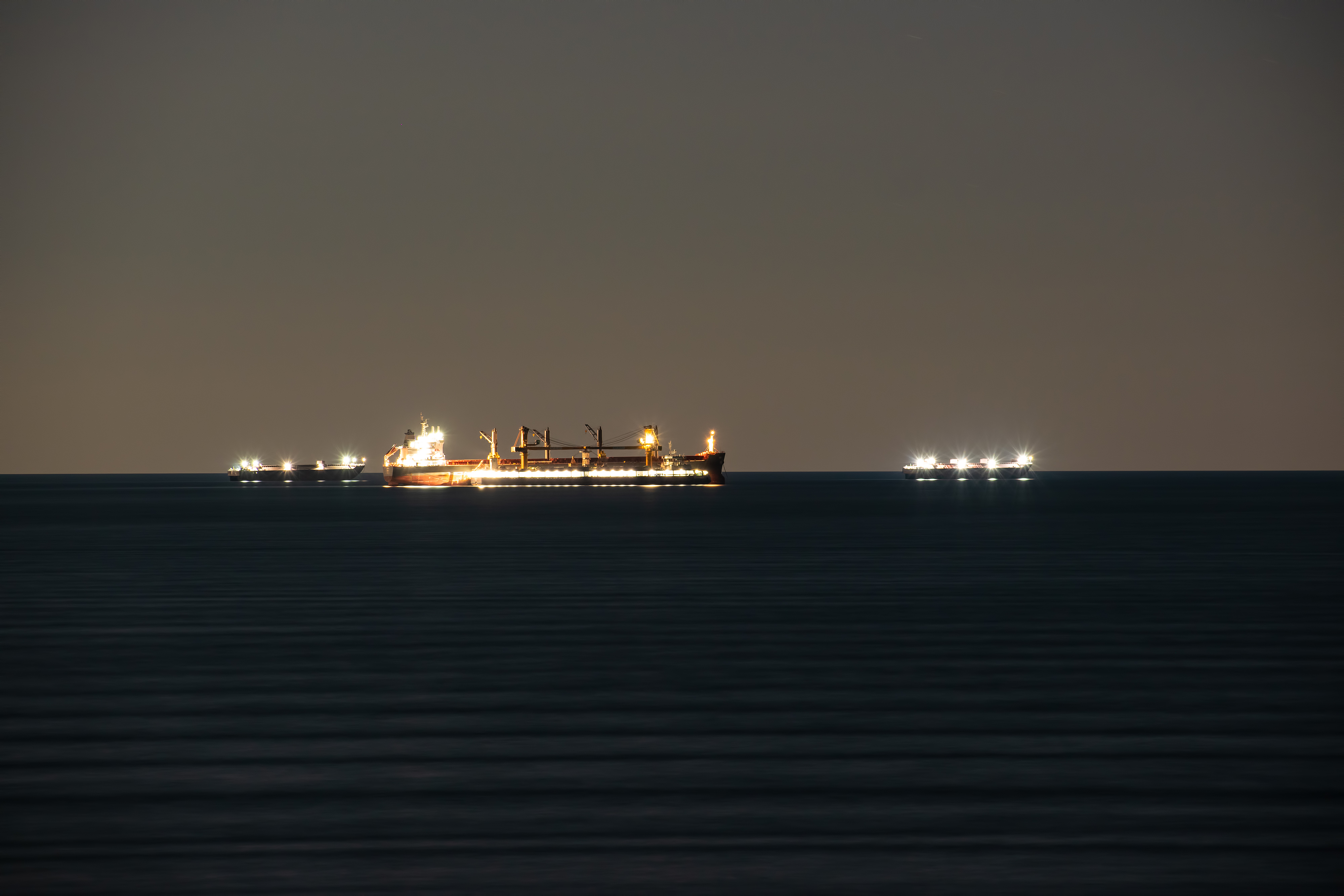
For its part, China wants to secure access to the Arabian Sea and Indian Ocean via CPEC to avoid naval blockades.
China’s access to the Arabian Sea and Indian Ocean would ensure a Chinese naval presence close to India’s waters.
India also wants to create a trade route linking Afghanistan, Central Asia, Russia and Europe.
Currently, India have to sail through the Arabian Sea to reach Iranian ports from which freight then proceeds over land.
But India’s regional connectivity plans known as the “International North-South Corridor” are time-consuming and costly.
If it wasn’t for Pakistan-Kashmir which stands between India-administered Kashmir and Afghanistan, India would have had a ‘direct by-land’ route access to Afghanistan, Central Asia, Russia, and Europe.
As well as trade routes, the glacial waters that flow via Kashmir provide water and electricity to a billion people in India.
Pakistan also relies heavily on glacial waters flowing from the region to prop up its agricultural sector.
With an increased need for electricity, India has looked to the region to develop more hydro facilities.
Pakistan fears that India may divert water necessary for irrigation, and use water as a weapon against Pakistan.
Kashmir is thus a major national security issue for both nations, the control of which could pose an existential threat to the other.
Kashmir will remain a major national security for both India and Pakistan, as well as play a critical role for China.
Don’t forget to subscribe to our YouTube Channel
Support our content by donating to fundmypage.com/kjvids
Website – www.kjvids.co.uk
Facebook – www.facebook.com/KJVids
Twitter – www.twitter.com/kjvids2016
Instagram – www.instagram.com/kjvidsofficial
All Rights Reserved. Contact info@kjvids.co.uk if you are interested in licensing our content, advertising or working with us in other ways.