New Delhi is executing the most significant realignment of its foreign policy since the end of the Cold War. For decades, the foundation of Indian strategic autonomy was built on Soviet, then Russian, hardware. That era has ended. In its place, India is constructing a 'Bismarckian' alliance with Germany, prioritising deep-tech transfers and industrial co-development over the simple purchase of off-the-shelf weapon systems. This is not a shift toward the West in a broad sense; it is a clinical, interest-driven pivot toward the European power most capable of enabling Indian self-reliance.
The Current Picture
According to current reporting from early 2026, the global landscape is defined by the continued economic surge of Asian powers, with India and China maintaining high-velocity trajectories while traditional demographic patterns in the West shift. As India’s industrial base matures, the limitations of the Russian partnership have become structural. The disruption of Russian supply chains and the increasing alignment between Moscow and Beijing have forced New Delhi to seek a more reliable, technologically superior partner that shares a similar desire for a multipolar world. Germany, desperate to diversify its export markets away from a slowing China, has emerged as the logical successor.
The Incentive Structure
To understand why India is choosing Berlin, we must look at the incentives. India's primary goal is Atmanirbhar Bharat (Self-Reliant India). Russia provided the metal, but Germany provides the 'brain'—the precision engineering, green hydrogen technology, and advanced manufacturing required to jumpstart a domestic defence-industrial complex. For Germany, India represents the only market with the scale to replace the diminishing returns of the Chinese market. It is a marriage of necessity: India needs the patents, and Germany needs the geography.
Why Moscow is Fading
The Russian-Indian relationship was a 20th-century marriage of convenience that outlived its utility. Historically, Russia provided India with political cover at the UN and cheap, rugged military hardware. However, the second-order effect of the Ukraine conflict was the permanent tethering of Russia to China. For New Delhi, a primary supplier that is junior partner to its primary adversary is a strategic liability. The pivot to Germany allows India to maintain its 'Non-Aligned' posture—avoiding the over-dependence on Washington—while upgrading its technological floor.
The Historical Parallel: The 19th Century Realignment
History rarely repeats, but it often rhymes. This shift mirrors the late 19th-century transition where emerging powers realised that raw territorial size was secondary to industrial standards. Just as the rising United States and Meiji Japan looked to the Prussian model to build their bureaucracies and industries, India is adopting German industrial standards. Berlin offers a 'middle path'—it provides high-end military and industrial tech without the heavy-handed ideological conditions often attached to American or British partnerships. It is a pragmatic, Bismarckian pursuit of power through technical efficiency.
What Most People Miss
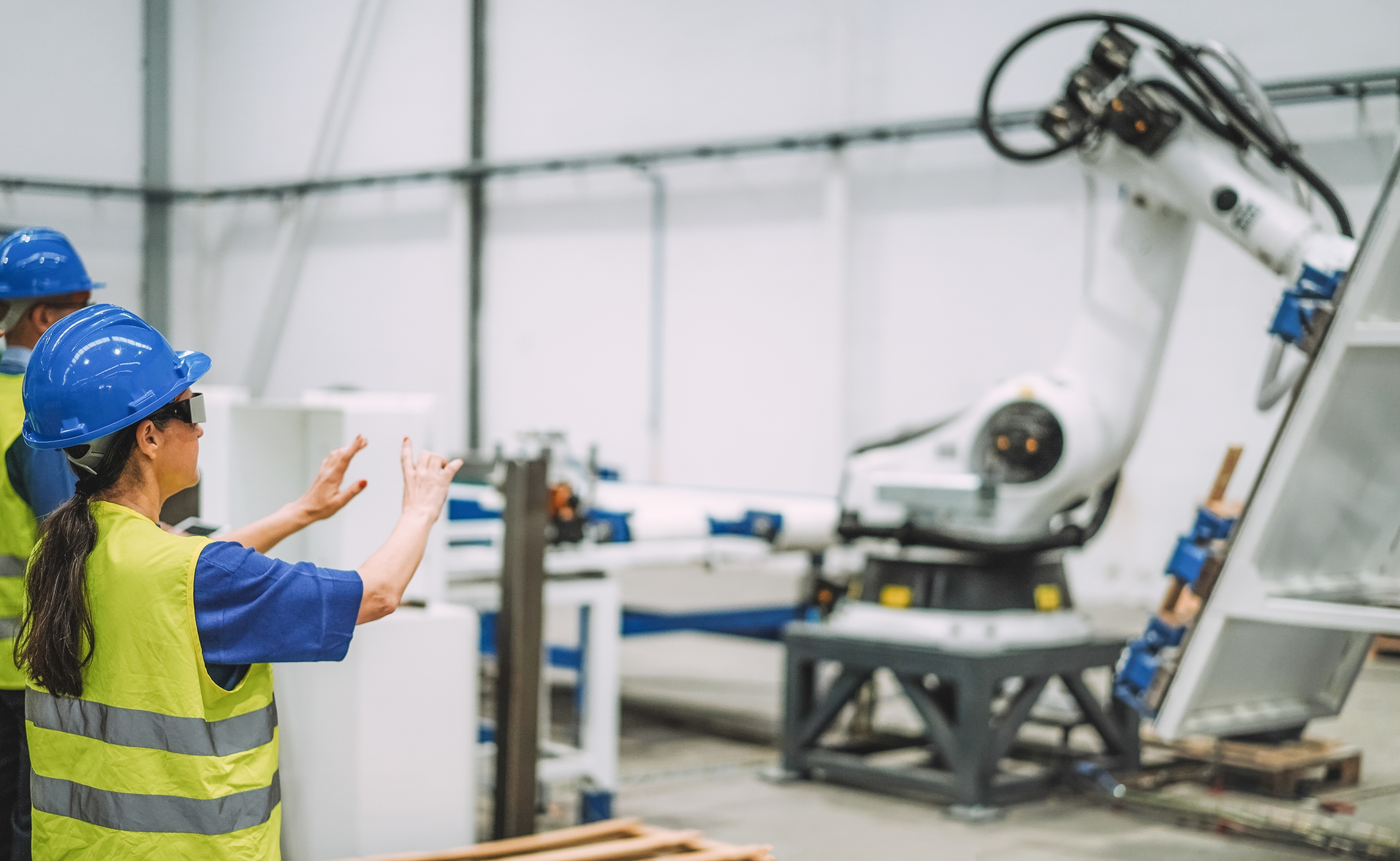
Most analysts focus on the headline military deals—the submarines and the aircraft engines. What they miss is the standardisation of the ecosystem. By adopting German engineering standards in its nascent green hydrogen grid and its high-speed rail networks, India is effectively hard-wiring its economy into the European industrial core. This creates a multi-generational dependency that is harder to break than a simple arms contract. Germany is not just selling India tools; it is selling India the 'operating system' for its future industrial economy.
Strategic Consequences
The ripple effects of this pivot are profound. First, it reduces Russia’s leverage in South Asia, potentially pushing Moscow closer to Pakistan or deeper into Beijing's embrace. Second, it creates a new axis of 'Strategic Autonomy' between Berlin and New Delhi that can act as a hedge against both US volatility and Chinese hegemony. If India successfully absorbs German 'Mittelstand' expertise, it will transform from a consumer of global tech into a regional exporter, fundamentally altering the balance of power in the Indian Ocean.
What to Watch
- The Submarine Export Deal: Progress on the P-75I project involving German ThyssenKrupp Marine Systems will be the litmus test for deep-tech sharing.
- Green Hydrogen Corridors: Financial commitments to Indo-German green energy projects will signal the depth of the economic merger.
- Labour Migration Agreements: Implementation of expedited visas for Indian tech workers to Germany, addressing Berlin's demographic gap.
- The Russia-China Axis: Any increase in joint military exercises between Moscow and Beijing will accelerate India’s exit from Russian platforms.
The KJ Verdict
India’s pivot to Germany is a cold, calculated move to bypass the limitations of a declining Russia and the complications of a demanding America. By securing a deep-tech alliance with Berlin, New Delhi is ensuring that its rise is powered by the world’s most sophisticated industrial logic. This is not about sentiment or shared democratic values; it is about the acquisition of the technical means to remain sovereign in a fragmented century. The Indian tiger is no longer looking for a protector; it is looking for a laboratory. Germany is providing it.