1. Naploeon intended to build the Suez Canal
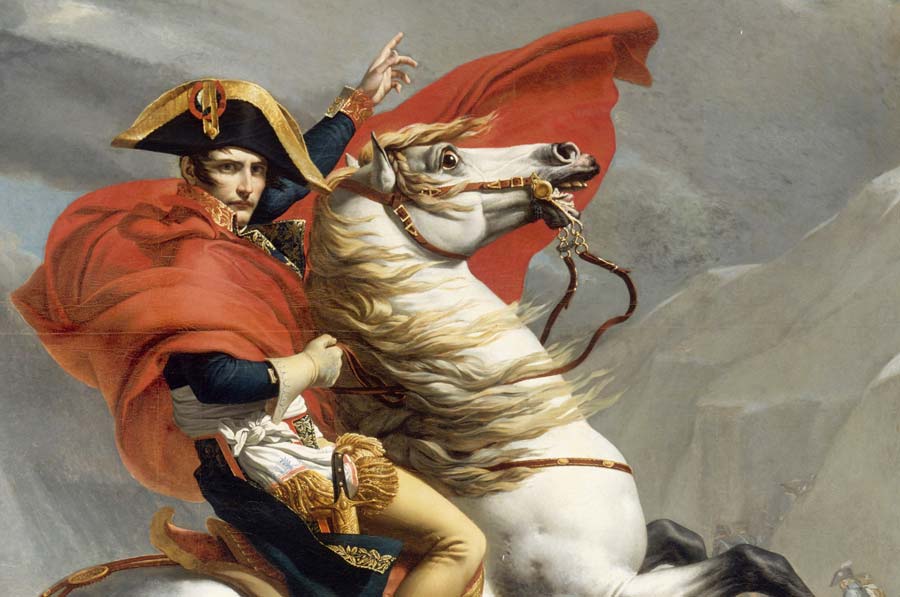
After conquering Egypt in 1798, Napoleon Bonaparte sent a team of surveyors to investigate the possibility of building the canal from the Red Sea to the Mediterranean. But his scouts incorrectly concluded that the Red Sea was at least 33 feet higher than the Mediterranean and any attempt to create a canal, could result in catastrophic flooding across the Nile Delta. The surveyors’ false calculations were enough to scare Napoleon away from the project, and plans for a canal stalled until 1847, when a team of researchers finally confirmed that there was no serious difference in altitude between the sea’s. Read More,
2. The Statue of Liberty was originally intended for the canal
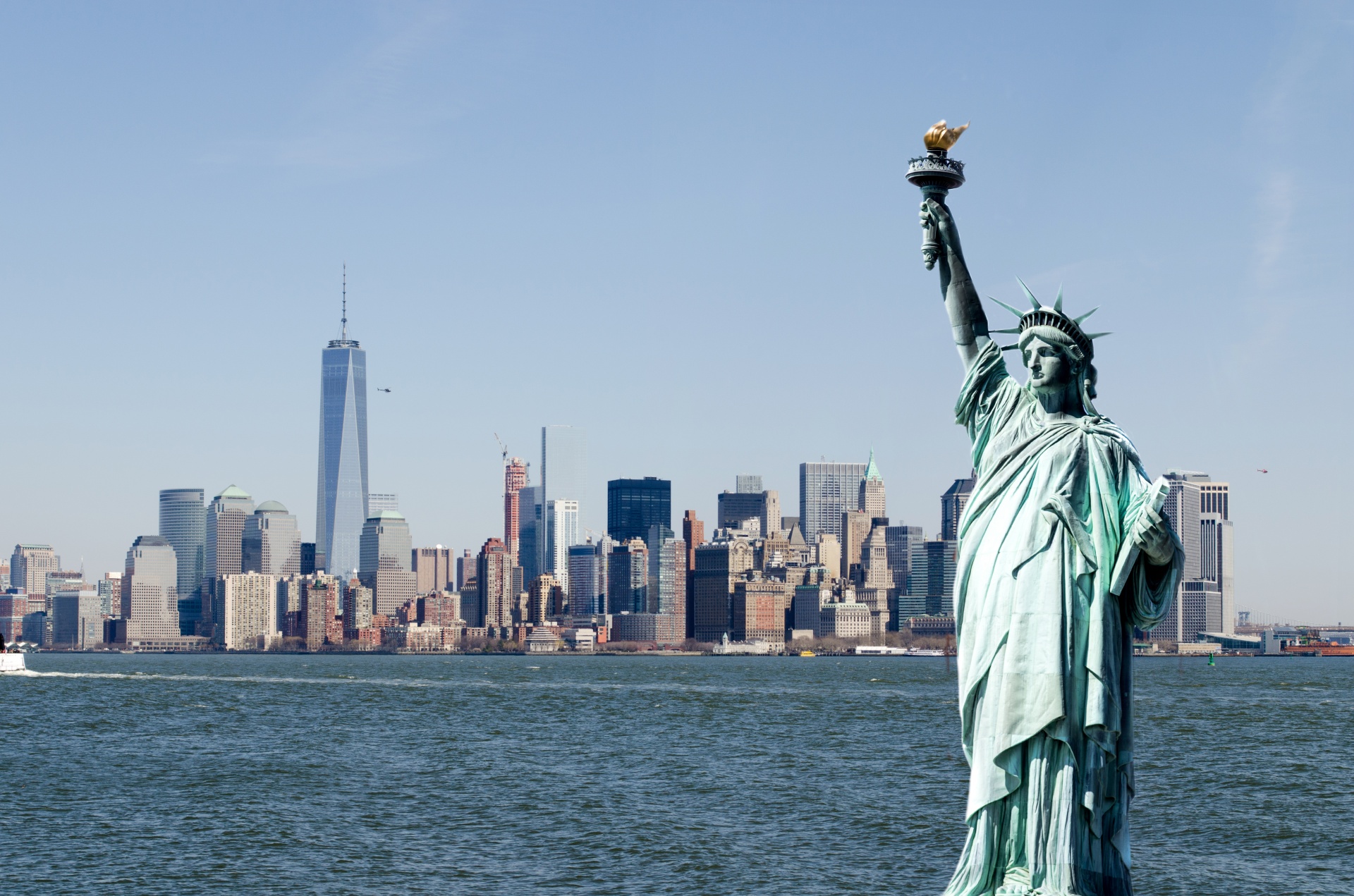
As the Canal neared completion in 1869, French sculptor Frédéric-Auguste Bartholdi tried to convince Ferdinand and the Egyptian government to build a sculpture called “Egypt Bringing Light to Asia” as the canals entrance. Figure, he envisioned a 90-foot-tall statue of a woman clothed in Egyptian robes and holding a torch, which would also serve as a lighthouse to guide ships into the canal. The project was never finalized, but Bartholdi continued searching for the right idea and place for his statue, and in 1886 he finally unveiled a completed version in New York Harbor. Officially called “Liberty Enlightening the World” (Also known as the Statue of Liberity.) Read More.
3. A fleet of ships was stranded in the canal for more than eight years
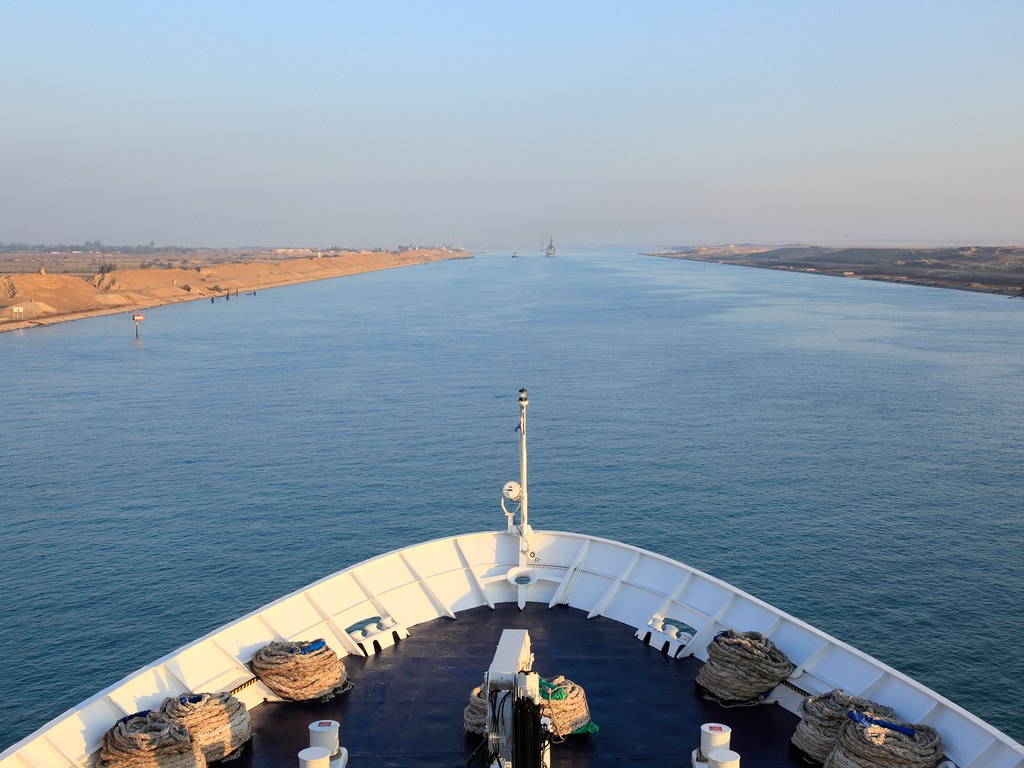
During June 1967’s Six Day War between Egypt and Israel, the Suez Canal was shut down by the government and blocked on either side by mines and scuttled/destroyed ships. At the time of the closure, 15 international shipping vessels were at the canal’s midpoint at the Great Bitter Lake. They would remain stranded in the waterway for eight years, eventually earning the nickname the “Yellow Fleet” for the sand that covered their decks. Most of the crewmembers were rotated on and off the stranded vessels on 3-month assignments, but the rest passed the time by forming a floating community and hosting sporting and social events. As the years passed, the fleet even developed its own stamps and internal system of trade. The 15 marooned ships were finally allowed to leave the canal in 1975. By then, only two of the 15 Ships were still seaworthy enough to make their way back home. Read More.
4. Suez Canal makes $5billion a year
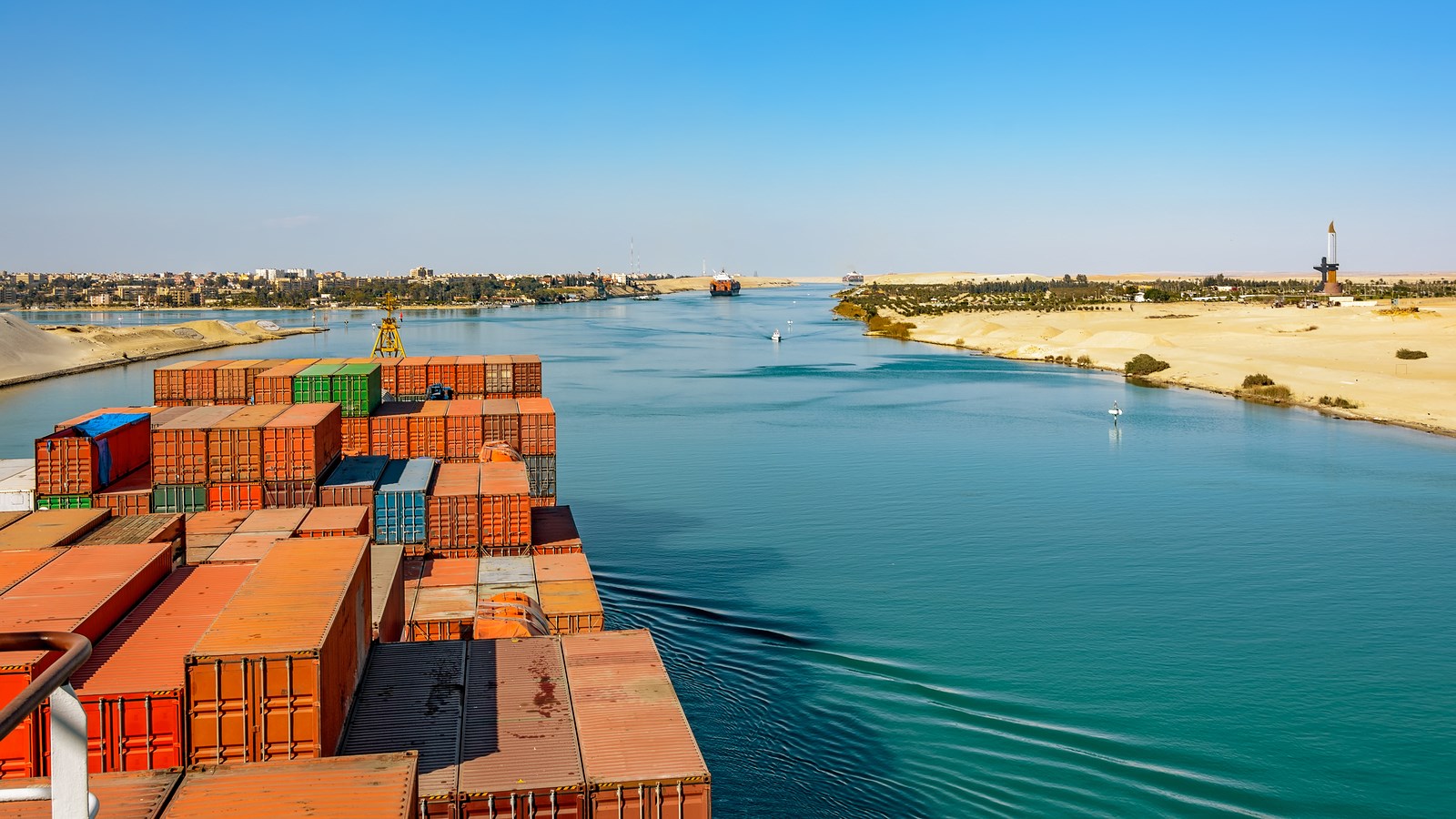
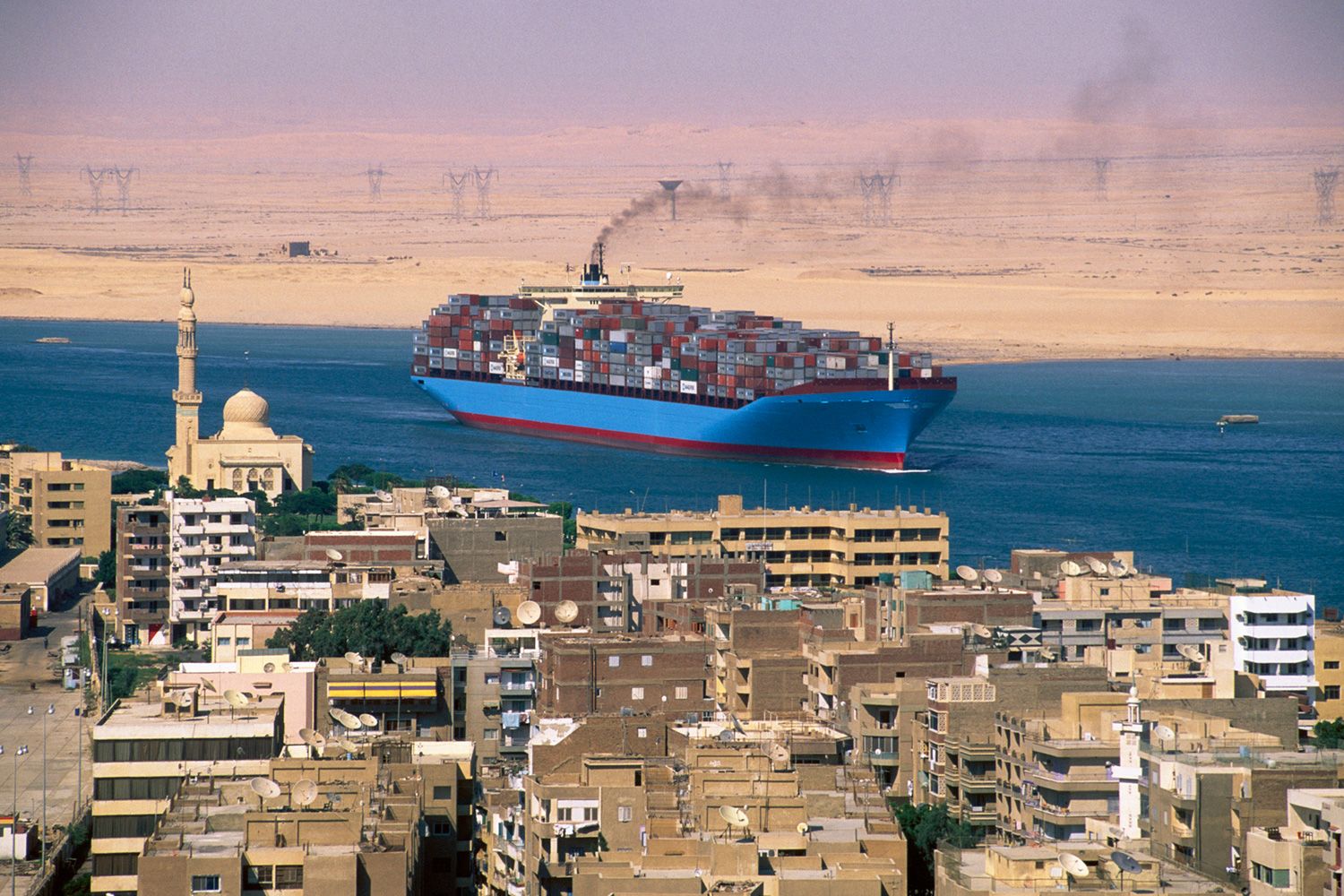
In 2016 Egypt’s Suez Canal revenues were $5.005 billion. In March and April 2017 alone, Egypt’s revenue from the Suez Canal was $853.7 million, 4.1 percent higher than the same period a year earlier, the Suez Canal Authority said in May 2017. The canal is the fastest shipping route between Europe and Asia and one of the Egyptian government’s main sources of foreign currency.
5. The canal played a crucial role in a Cold War time crisis
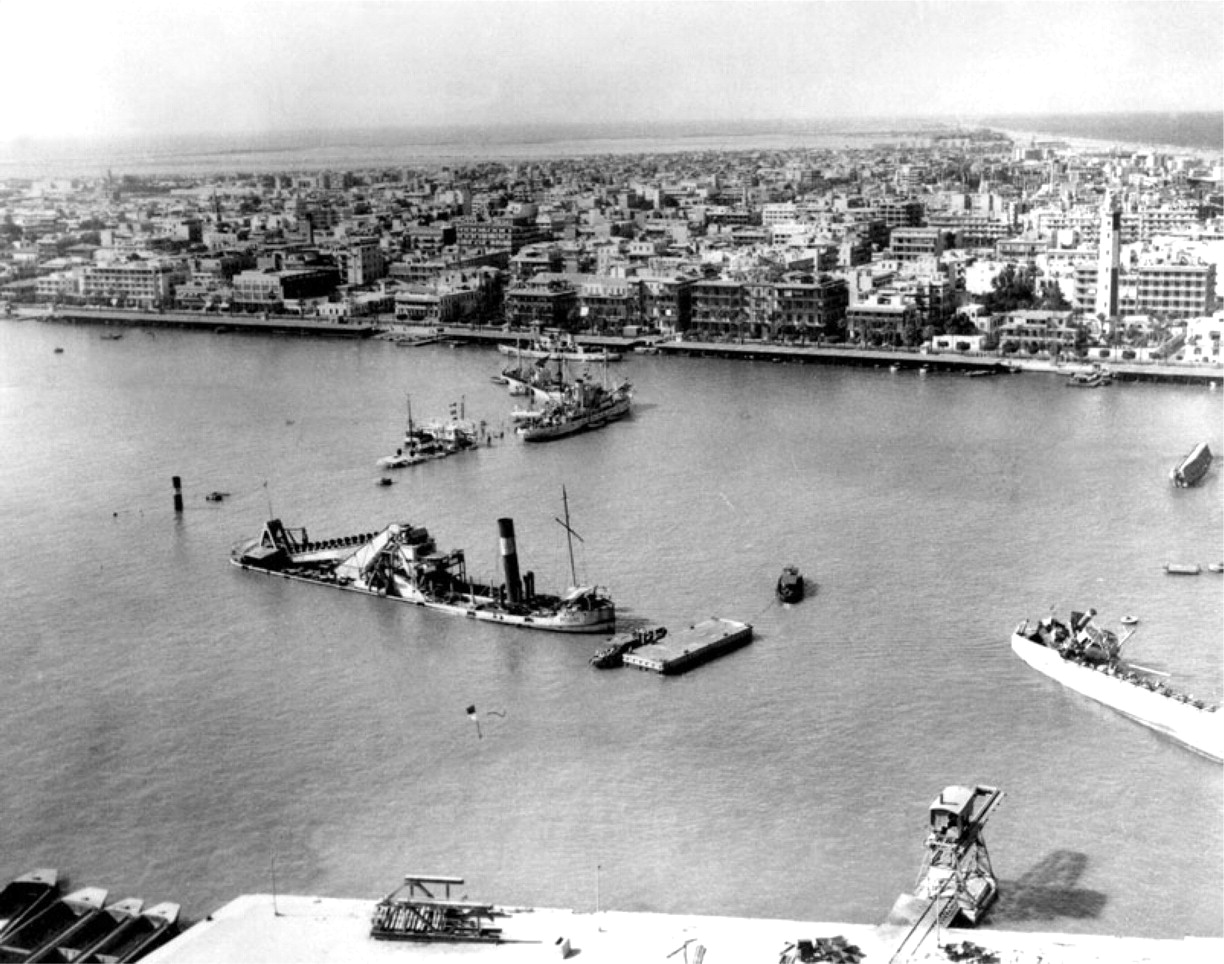
In 1956, the Suez Canal was at the tip of a brief war between Egypt, Britain, France and Israel. The conflict had its origins in Britain’s military occupation of the canal which had continued even after Egypt gained “independence” in 1922. Many Egyptians hated the lingering colonial influence, and tensions finally broke out over in July 1956, when the Egyptian President nationalized the Suez Canal, supposedly to help fund a dam across the Nile River. In what became known as the Suez Crisis, a combined British, Israeli and French force launched an attack on Egypt in October 1956. The Europeans succeeded in advancing to the canal, but later withdrew from Egypt in following the dark view from the United States.