Saudi Arabia dramatically increasing oil exports to China
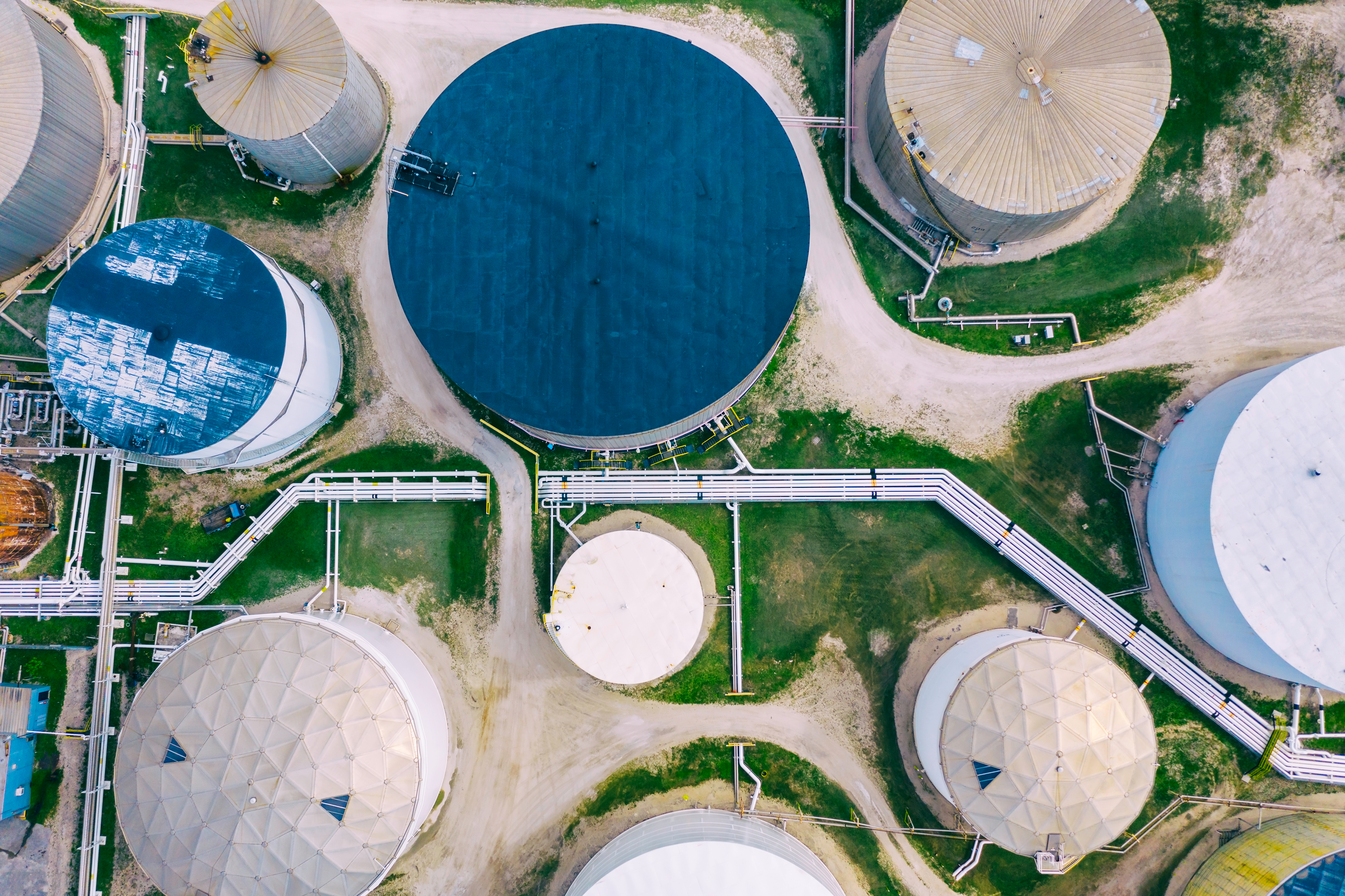
In another sign that Saudi Arabia is struggling to live up to its plan to attempting to diversify from and reduce its dependency from oil, the nation has seriously ramped up its oil exports to China in recent months. However, although this may seem like an increase in oil exportation by Saudi overall, this is not exactly the case, as it appears the nation is transferring its oil export focus from the US to China. The Saudi Kingdom’s crude shipments to China have doubled in the span of a year. During the same period, its oil exports to the U.S. have dropped by nearly two-thirds. According to TankerTrackers.com, which tracks oil tankers and shipments based on satellite imagery and ships’ automatic identification systems, Saudi Arabia exported a whopping 1,802,788 barrels per day (bpd) to China in July, compared to 921,811 bpd in August of 2018. By contrast, exports to the U.S. in July were 262,053 bpd, nearly 62% down from 687,946 bpd in August of last year. This is a clear policy shift from Saudi Arabia but is also influenced by recent circumstances, in which U.S. sanctions on Iranian oil have helped the shift. Major Asian energy importers like China have been forced to shift business away from Iran and start buying more Saudi barrels to make up for that shortfall. Nevertheless, the US could be losing one of its main producers of oil in Saudi Arabia to China if the shift continues.
Saudi Arabia and China sign a research deal
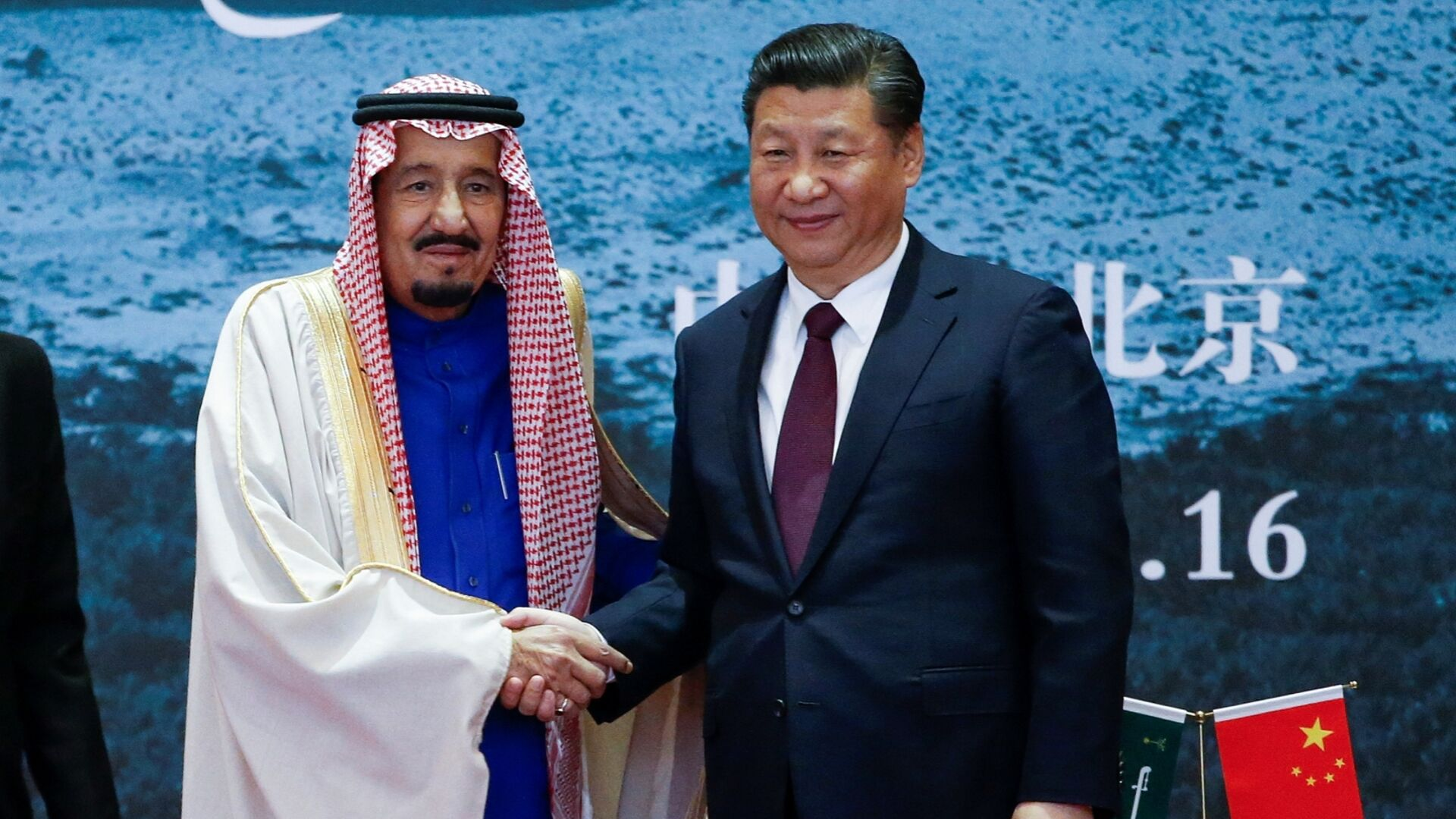
Saudi Arabia has not only been increasing oil exportation with to China but have also strengthened relations on other fronts. In fact, The Saudi Center for Research and Intercommunication Knowledge has signed a cooperation agreement with the China Institute for Innovation and Development Strategy (CIIDS) in Beijing. The cooperation will be in the fields of research, publishing and translation, and aims to increase the number of researchers and organize scientific conferences. The signing took place during a visit to CIIDS by the president of the Center for Research and Intercommunication Knowledge, Dr. Yahya bin Junaid. Saudi Arabia has realized that co-operation with China is the key to developing its status as an educational hub and increase its academic and research capabilities. Bin Junaid said scientific centres and bodies in Saudi Arabia are interested in cooperating with counterparts in China and exchanging knowledge and research. Although this is not an economically motivated move, this joint research project will help establish a positive base of relations that will help formulate a strong partnership between the 2 nations.
Saudi pivoting towards Asia?
Saudi Arabia has appeared to have found an economic and geopolitical advantage in developing ties and interests with Asia in general. Much of this is the result of economic pragmatism: The U.S. is no longer Saudi Arabia’s top customer for oil. Between state and federal efforts to make vehicles more efficient to address climate change and an oil and gas boom that’s transformed America into the world’s top oil producer, the U.S. imported less crude in 2018 than it did 20 years earlier. “It’s really being driven by, on the one hand, Chinese economic growth and on the other hand the dependency of the Middle East on oil and gas revenues,” says Antoine Halff, director of the program on global oil markets at the Columbia University Center on Global Energy Policy. Saudi Arabia has also found a more available oil market in Asia than in the West in recent years. This is also the result of the breakdown of relations between the US and Saudi Arabia in recent years. “The special relationship with Saudi Arabia is gone, and it’s been deteriorating for a while,” says Frank Verrastro, senior vice president for energy, national security and foreign policy at the Center for Strategic and International Studies, a think tank. “The concerns in the Congress over Saudi activity in Yemen, the Khashoggi fallout, threatening to revoke missile sales and arms sales – there’s less of a strong relationship than there was before.” Saudi Arabia has clearly seen this as an opportunity to explore the Asian market, and it has found that it can be even more beneficial than the Western market.