KJ ReportsKJ Reports

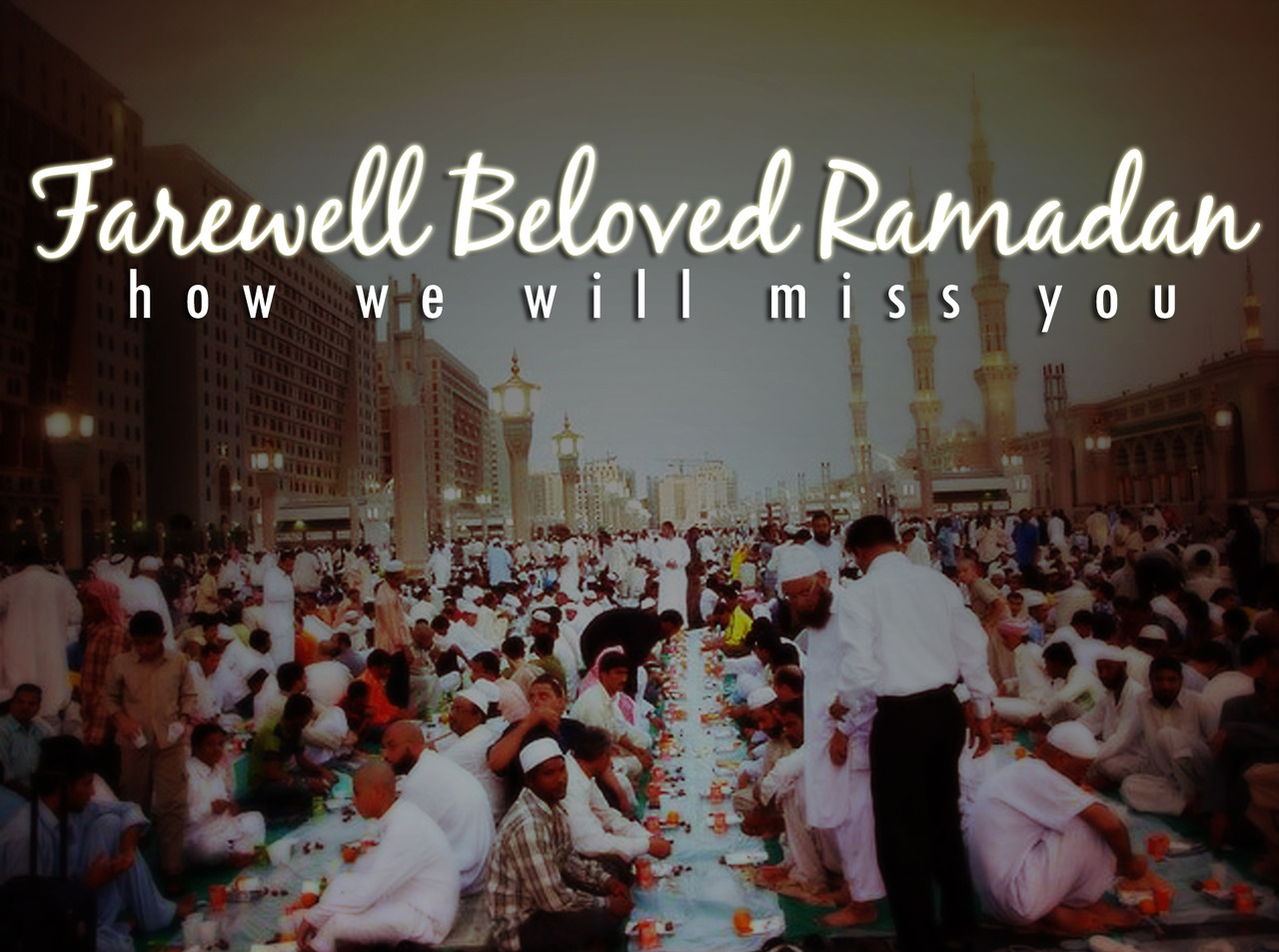
Poem – Farewell Ramadhan

24 June 2017961

Listen to this article

KJ narrates this report in his own voice

Poem – Farewell Ramadhan

Ramadhan Came,
Ramadhan Went,

Did we change?
Time will tell,

Isn’t it strange,
How quick it went,

We fasted and prayed,
And our sleep was re-arranged,

But did we change?
Time will tell.

What did we exchange,
For the long term range,

Just food and sleep?
How deranged!

Didn’t we hear,
About the infinite years,

Or were we unclear,
And immersed in our careers…

Don’t we fear,
How death is near?

Wasn’t Grenfell clear,
How one can immediately disappear!

This Ramadhan we shed so many tears,
Death and destruction is all we hear,

So many maimed and Muslims always blamed,
“Terrorism” is all they claim.

We are being framed,
And played in the condemnation game,

But we live and we learn and we must now aim,
For our narrative to be reclaimed.

It wasn’t us who sparked the flames,
For imperial gains,

Don’t be ashamed,
For the truth to be proclaimed,

Capitalism remains unblamed,
For the “War on Terror” it nicknamed,

Millions have died in vane,
Many remain maimed and chained,

It doesn’t take a genius brain,
To see that Muslims are being framed.

But we are now constrained,
And must be quickly trained.

The narrative must be reframed,
Be part of the change.

Victory is near,
And Insh’Allah soon we will have an Amir
#farewell-ramadhan

Related Intelligence

More articles
The Ghost of Radcliffe: Why 1947 Still Governs 21st-Century Asia
History

The Ghost of Radcliffe: Why 1947 Still Governs 21st-Century Asia

Geographic partitions are not historical events; they are active geopolitical engines. In South Asia, a hasty retirement from Empire created a structural instability that ensures permanent mobilisation and restricts the rise of two nuclear powers.

15 Mar 2026

Pax Mongolica: The Hard-Power Blueprint for Global Integration
History

Pax Mongolica: The Hard-Power Blueprint for Global Integration

Modern globalisation is often framed as a Western invention. In reality, the 13th-century Mongol Empire established the first template for a borderless economy, proving that global trade requires a single, ruthless security guarantor to function.

15 Jan 2026

The Dollar Pact: Why Bretton Woods Never Actually Ended
History

The Dollar Pact: Why Bretton Woods Never Actually Ended

The 1944 Bretton Woods agreement is often treated as a historical relic. In reality, its core architecture remains the primary engine of American hegemony, weaponising global trade through a system of structural dependency that has no peer.

15 Oct 2025

The New Feudalism: Why the Westphalian Order is Withering
History

The New Feudalism: Why the Westphalian Order is Withering

The nation-state is not dying, but it is losing its monopoly on power. As digital territories and corporate spheres of influence supersede physical borders, we are witnessing the gradual return of pre-Westphalian overlapping jurisdictions.

15 Jun 2025

The Invisible Rot: Why Great Powers Implode From Within
History

The Invisible Rot: Why Great Powers Implode From Within

Conventional wisdom blames external rivals for the fall of empires. History suggests otherwise. True decline is a domestic process of institutional sclerosis, currency debasement, and the fatal decoupling of elites from national interests.

15 Feb 2025

The Suez Moment: When London Realised Might Was Not Money
History

The Suez Moment: When London Realised Might Was Not Money

In 1956, Britain’s imperial facade collapsed not through military defeat, but through a financial ambush. This structural analysis examines why the Suez Crisis remains the ultimate lesson in the fragility of debt-backed power.

15 Oct 2024