KJ ReportsKJ Reports

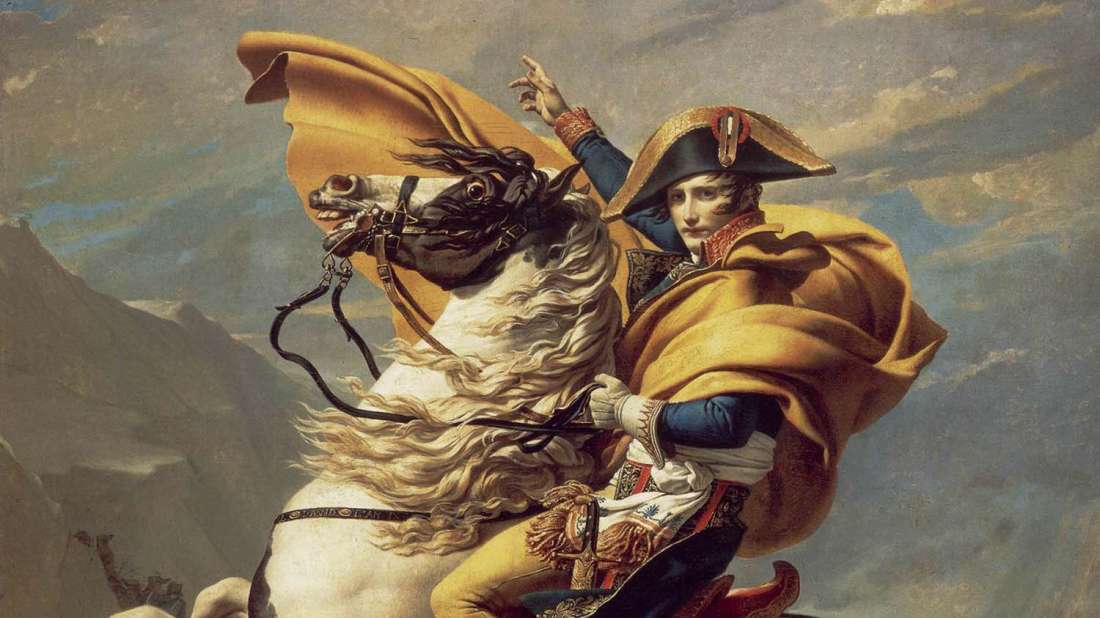
Napolean and the Siege of Acre 1799

10 July 20181,860

Listen to this article

KJ narrates this report in his own voice

Napolean and the Siege of Acre 1799

Napolean and The Siege of Acre 1799

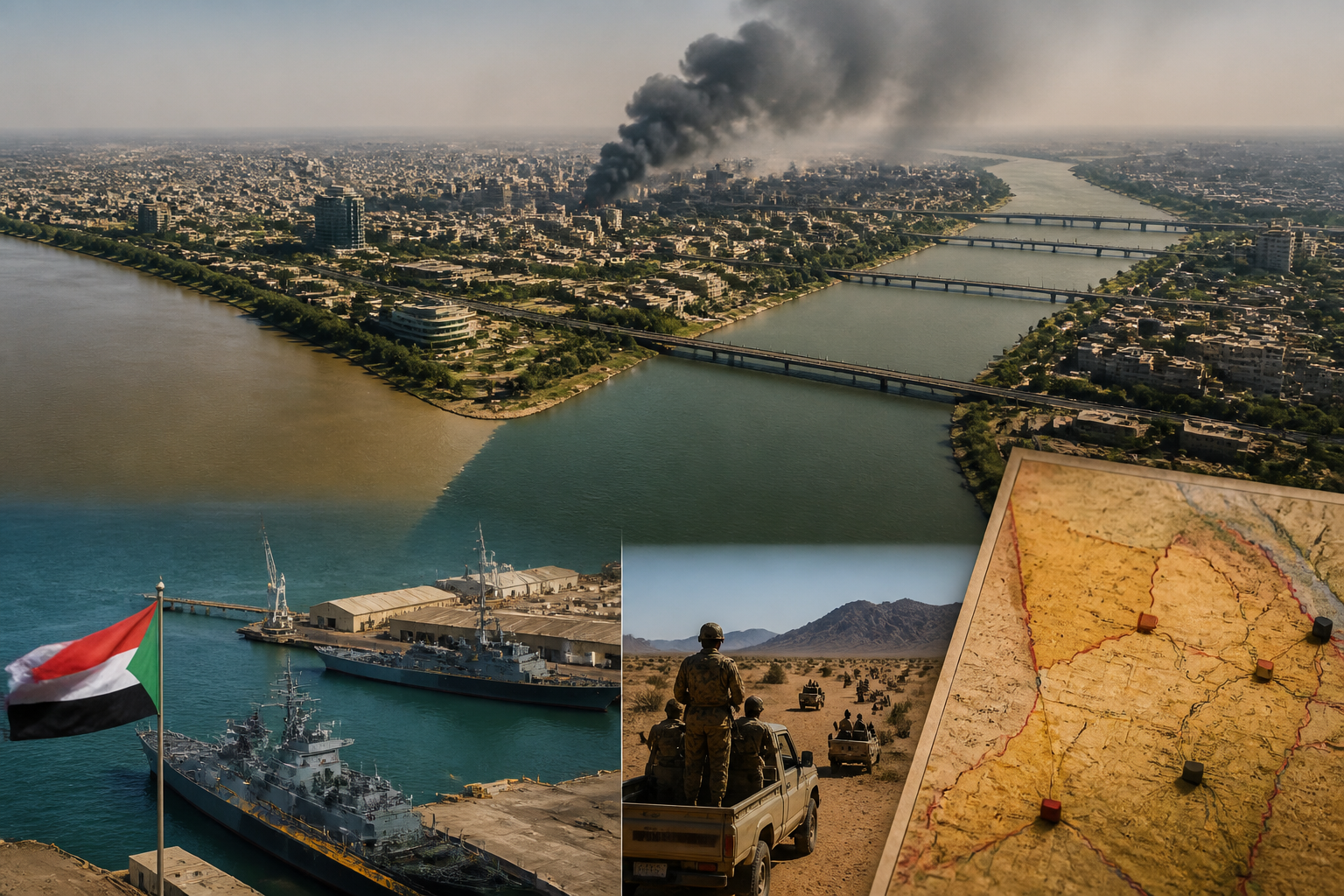
The Siege of Acre of 1799 was an unsuccessful French siege of the Ottoman-defended, city of Acre.

It was Napoleon’s first strategic defeat as three years previously he had been defeated at the Second Battle of Bassano.

Acre was a site of significant strategic importance due to its position on the route between Egypt and Syria.

After the loss of the French fleet at the Battle of the Nile (1798), Napoleon decided to continue his war with the Ottomans.

His aim was to gain control of the port, which would have well positioned him to challenge Britain’s influence in the East.

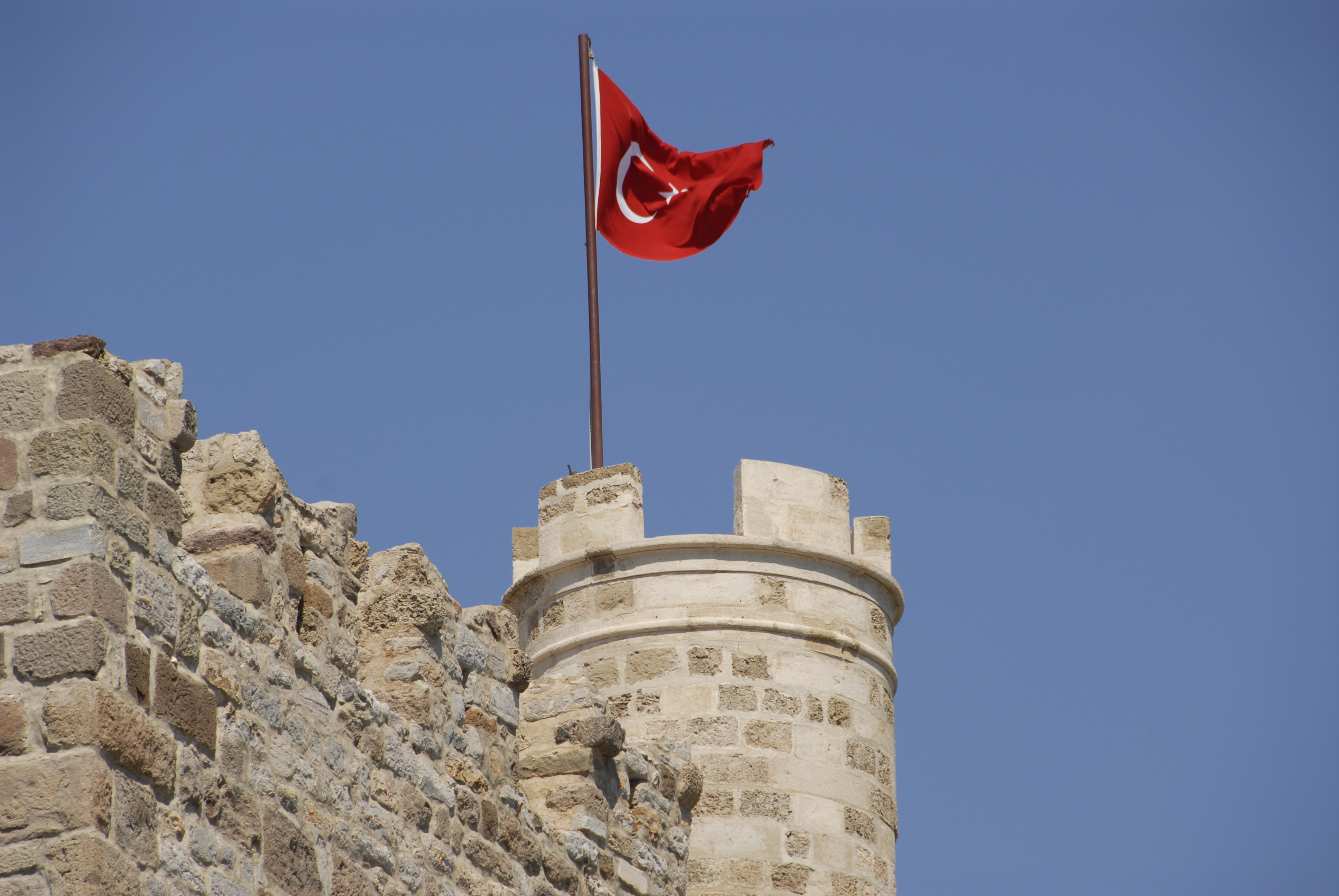
On 18 March, his forces encountered the city of Acre, whose 5,000-strong Ottoman Garrison was backed by two British Ships.

The British had captured a flotilla containing half of Napoleon’s guns and strengthened fortifications.

A series of French infantry assaults were repulsed, forcing Napoleon to instigate formal siege operations.

Although the French inflicted a crushing defeat on the Ottomans at the Battle of Mount Tabor, the Ottomans raised the siege.

By the end of April, the French had secured sufficient artillery to make a breach in Acre’s walls.

Five desperate assaults were launched by the French for 10 days, and the attackers had fought their way onto the walls.

They discovered that the defenders had built a series of equally formidableinternal fortifications.

While Acre continued to be resupplied by sea, the demoralized French were suffering shortages and the spread of disease.

Reluctantly, Napoleon accepted defeat and began the long retreat back to Egypt.

The hill, southeast of Acre, where Napoleon established his camp is still known as “Napoleon’s Hill.”

Don’t forget to subscribe to our YouTube Channel

Support our content by donating to fundmypage.com/kjvids

Website – www.kjvids.co.uk
Facebook – www.facebook.com/KJVids
Twitter – www.twitter.com/kjvids2016
Instagram – www.instagram.com/kjvidsofficial

All Rights Reserved. Contact info@kjvids.co.uk if you are interested in licensing our content, advertising or working with us in other ways.
#1799#british-empire#napolean#ottomans#siege-of-acre

Related Intelligence

More articles
The Ghost of Radcliffe: Why 1947 Still Governs 21st-Century Asia
History

The Ghost of Radcliffe: Why 1947 Still Governs 21st-Century Asia

Geographic partitions are not historical events; they are active geopolitical engines. In South Asia, a hasty retirement from Empire created a structural instability that ensures permanent mobilisation and restricts the rise of two nuclear powers.

15 Mar 2026

Pax Mongolica: The Hard-Power Blueprint for Global Integration
History

Pax Mongolica: The Hard-Power Blueprint for Global Integration

Modern globalisation is often framed as a Western invention. In reality, the 13th-century Mongol Empire established the first template for a borderless economy, proving that global trade requires a single, ruthless security guarantor to function.

15 Jan 2026

The Dollar Pact: Why Bretton Woods Never Actually Ended
History

The Dollar Pact: Why Bretton Woods Never Actually Ended

The 1944 Bretton Woods agreement is often treated as a historical relic. In reality, its core architecture remains the primary engine of American hegemony, weaponising global trade through a system of structural dependency that has no peer.

15 Oct 2025

The New Feudalism: Why the Westphalian Order is Withering
History

The New Feudalism: Why the Westphalian Order is Withering

The nation-state is not dying, but it is losing its monopoly on power. As digital territories and corporate spheres of influence supersede physical borders, we are witnessing the gradual return of pre-Westphalian overlapping jurisdictions.

15 Jun 2025

The Invisible Rot: Why Great Powers Implode From Within
History

The Invisible Rot: Why Great Powers Implode From Within

Conventional wisdom blames external rivals for the fall of empires. History suggests otherwise. True decline is a domestic process of institutional sclerosis, currency debasement, and the fatal decoupling of elites from national interests.

15 Feb 2025

The Suez Moment: When London Realised Might Was Not Money
History

The Suez Moment: When London Realised Might Was Not Money

In 1956, Britain’s imperial facade collapsed not through military defeat, but through a financial ambush. This structural analysis examines why the Suez Crisis remains the ultimate lesson in the fragility of debt-backed power.

15 Oct 2024