KJ ReportsKJ Reports

Meet Ayuba Suleiman Diallo – The Fortunate Slave

5 July 20181,446

Listen to this article

KJ narrates this report in his own voice

Meet Ayuba Suleiman Diallo – The Fortunate Slave

▶ Check out my gear on Kit: https://kit.com/kjvids

Through the Atlantic slave trade, many Africans were forced into the US and we seldom hear about some of their Muslim backgrounds.

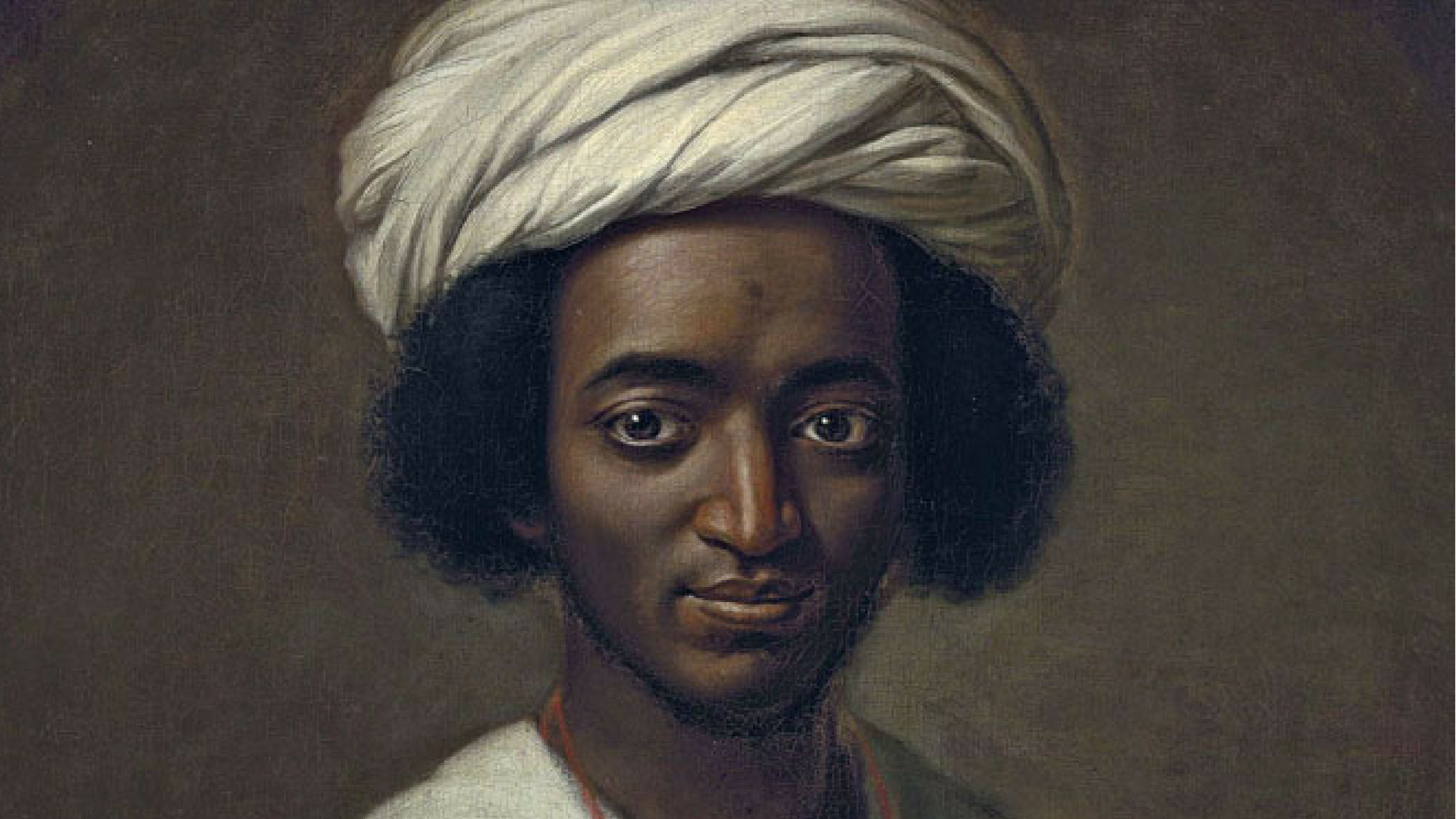
One such person is Ayuba Suleiman Diallo. He was from eastern Senegal, born to a family of religious leaders.

He memorized the entire Quran, was an expert in Maliki fiqh and possessed an immaculate intelligence.

Despite his accomplishments and status in his homeland, he like so many others in Africa, was a victim to the Atlantic slave trade.
Enemies captured him, shaved his beard and sold him to work on a tobacco plantation after his ship landed at Annapolis, Maryland in 1731.

Throughout this difficult time, Diallo upheld his daily prayers and Islamic diet. He ran from the family who owned him because praying became difficult.

When the children of the family would see him pray, they threw dirt on him and mocked him. But soon after fleeing, Diallo was again captured and this time, taken to prison.

This is where Diallo met English lawyer Thomas Bluett. Diallo’s piety, literacy, intelligence, and adherence to faith impressed Bluett, who ended up befriending him.

Diallo wrote a letter in Arabic to send to his father, and it travelled from Annapolis to England.

Eventually, this letter landed in the hands of James Oglethorpe, the founder of the Georgia colony.

He was touched by the struggles presented in the letter, and he subsequently sent the amount needed to purchase Diallo’s freedom and bring him to England in 1733.

After his arrival to England, he debated theology with the Christian priests and bishops, and they joined the already lengthy list of people who Diallo impressed with his intelligence, monotheism, and morality.

Diallo, after suffering through such difficulties as becoming separated from his family, sold into the slave trade, forced to work in horrid conditions, humiliated by children, and imprisoned, was finally recognized as an equal.

In 1734, Diallo safely returned back to his home. His father died, one of his wives remarried because she thought he passed, and his home was wrecked due to war.

However, he again overcame hardship, lift himself up, and was able to live a prosperous life.

Don’t forget to subscribe to our YouTube Channel

Support our content by donating to fundmypage.com/kjvids

Website – www.kjvids.co.uk
Facebook – www.facebook.com/KJVids
Twitter – www.twitter.com/kjvids2016
Instagram – www.instagram.com/kjvidsofficial

All Rights Reserved. Contact info@kjvids.co.uk if you are interested in licensing our content, advertising or working with us in other ways.

#american-slavery#atlantic-slave-trade#british-slavery#diallo#meet-ayuba-suleiman-diallo-the-fortunate-slave

Related Intelligence

More articles
The Ghost of Radcliffe: Why 1947 Still Governs 21st-Century Asia
History

The Ghost of Radcliffe: Why 1947 Still Governs 21st-Century Asia

Geographic partitions are not historical events; they are active geopolitical engines. In South Asia, a hasty retirement from Empire created a structural instability that ensures permanent mobilisation and restricts the rise of two nuclear powers.

15 Mar 2026

Pax Mongolica: The Hard-Power Blueprint for Global Integration
History

Pax Mongolica: The Hard-Power Blueprint for Global Integration

Modern globalisation is often framed as a Western invention. In reality, the 13th-century Mongol Empire established the first template for a borderless economy, proving that global trade requires a single, ruthless security guarantor to function.

15 Jan 2026

The Dollar Pact: Why Bretton Woods Never Actually Ended
History

The Dollar Pact: Why Bretton Woods Never Actually Ended

The 1944 Bretton Woods agreement is often treated as a historical relic. In reality, its core architecture remains the primary engine of American hegemony, weaponising global trade through a system of structural dependency that has no peer.

15 Oct 2025

The New Feudalism: Why the Westphalian Order is Withering
History

The New Feudalism: Why the Westphalian Order is Withering

The nation-state is not dying, but it is losing its monopoly on power. As digital territories and corporate spheres of influence supersede physical borders, we are witnessing the gradual return of pre-Westphalian overlapping jurisdictions.

15 Jun 2025

The Invisible Rot: Why Great Powers Implode From Within
History

The Invisible Rot: Why Great Powers Implode From Within

Conventional wisdom blames external rivals for the fall of empires. History suggests otherwise. True decline is a domestic process of institutional sclerosis, currency debasement, and the fatal decoupling of elites from national interests.

15 Feb 2025

The Suez Moment: When London Realised Might Was Not Money
History

The Suez Moment: When London Realised Might Was Not Money

In 1956, Britain’s imperial facade collapsed not through military defeat, but through a financial ambush. This structural analysis examines why the Suez Crisis remains the ultimate lesson in the fragility of debt-backed power.

15 Oct 2024