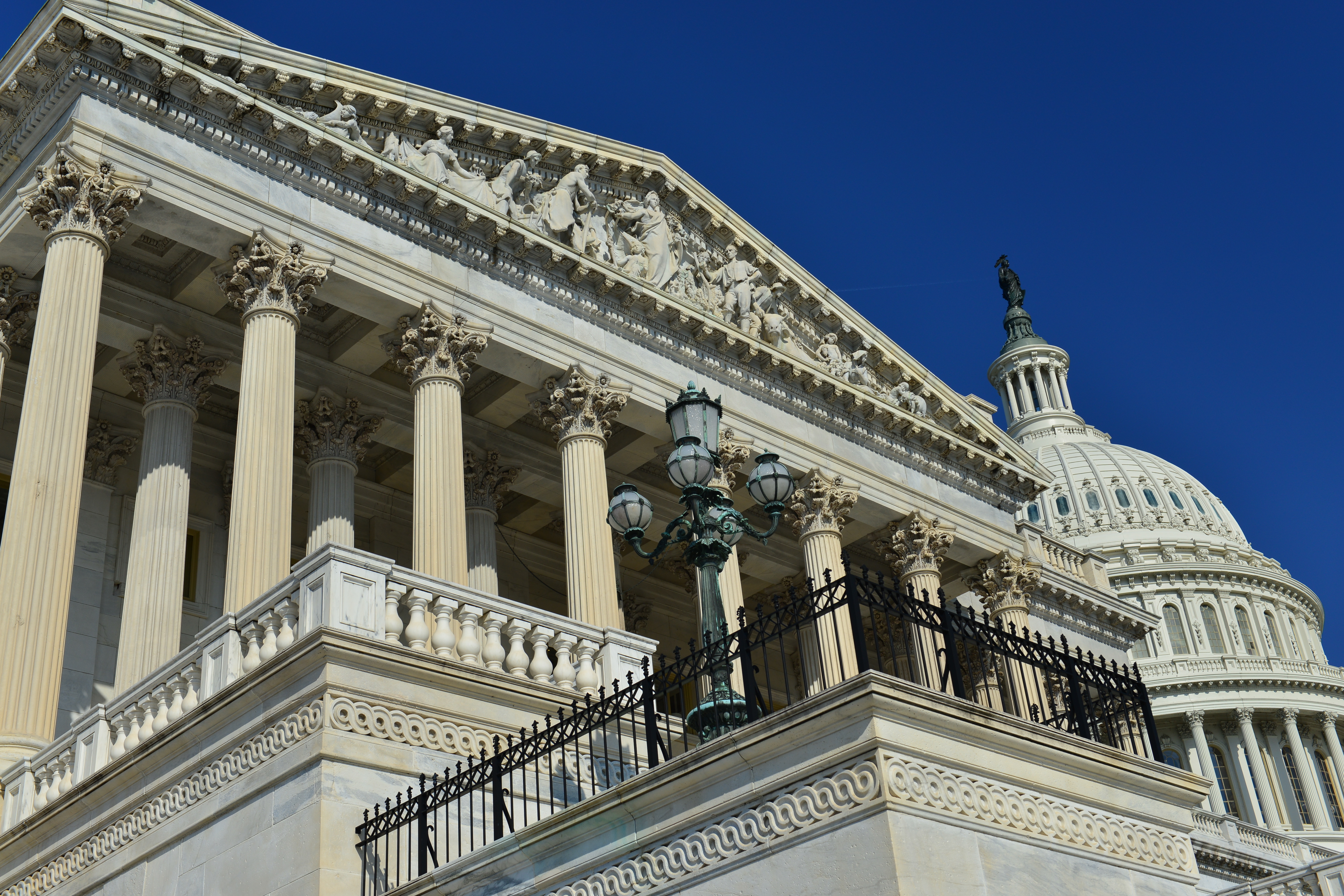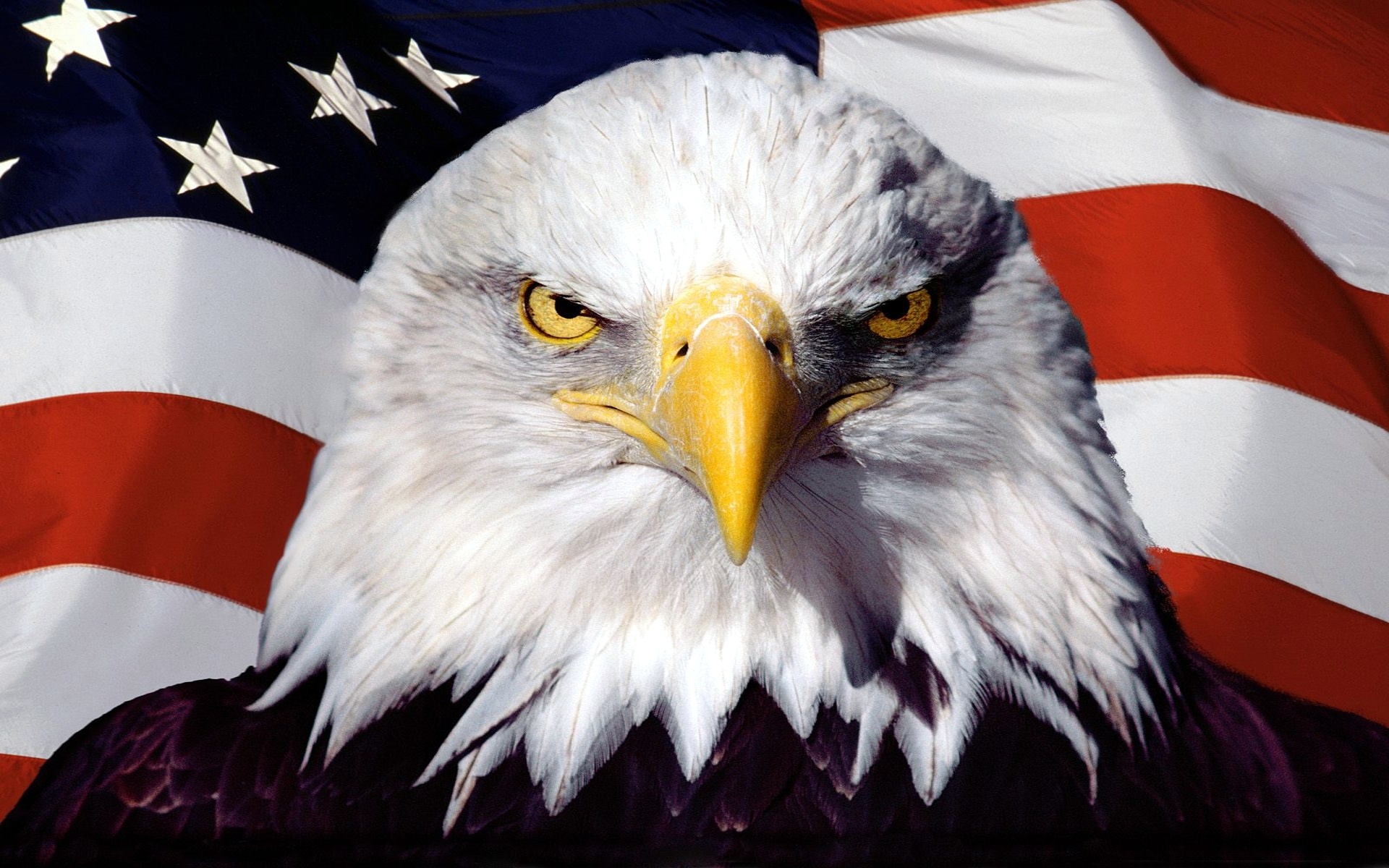
The United States is the world’s most powerful country by far, with a globe-spanning network of alliances and military bases.
Expansionism was always in America’s DNA, as a country founded by the expulsion and slaughter of American Indians.
But after America reached the Pacific coast, there was a real debate as to whether it should continue its growth as an imperial power beyond North America’s shores.
This debate came to the fore after the Civil War, which removed the principal barrier to expansion. The controversy over whether slavery would be expanded to newly acquired territories.
Though the expansionists were initially stymied, they won out for a surprising reason: the Industrial Revolution.
The rapid post-war growth of the US economy required an increasingly centralized state to manage it.
The more power that was concentrated in the executive branch and bureaucracy, the easier it was for the president to acquire territories abroad.
This culminated in the Spanish-American war in 1898, which ended with America acquiring a whole lot of different territories around the globe.
America was officially a global power, one that intervened in a number of countries, made major diplomatic moves in East Asia, and played a critical role in ending World War I.
The next crucial step, though, came after World War II. The United States was the only country to emerge from the war in strong economic and military shape, and thus was in a unique position to shape the terms of the peace.
The result was a global financial system, called the Bretton Woods system, aimed at coordinating the global economy and preventing another Great Depression — and the United Nations, created to preserve the postwar peace.
Competition with the Soviet Union led the United States to establish its first permanent major non-wartime alliance, the North Atlantic Treaty Organization (NATO).
It also led the United States to grow its military and political presence around the world in an effort to contain the spread of communism, leading to interventions in places like Vietnam and Afghanistan and alliances with countries like Saudi Arabia and South Korea.
After the Soviet Union fell, the US could have chosen to withdraw from these alliances and international commitments.
But it didn’t, seeing them as critical institutions for preserving peace and prosperity even after the Soviet threat had receded.
Today, the United States remains as the world’s most connected and pivotal power, and will remain so in the near future, although the signs of its decline are now visible to all.
Don’t forget to subscribe to our YouTube Channel
Support our content by becoming a KJ Patreon
https://www.patreon.com/kjvids
Website – www.kjvids.co.uk
Facebook – www.facebook.com/KJVids
Twitter – www.twitter.com/kjvids2016
Instagram – www.instagram.com/kjvidsofficial
All Rights Reserved. Contact info@kjvids.co.uk if you are interested in licensing our content, advertising or working with us in other ways.