Qatar and Saudi Arabia had shown signs of easing tensions
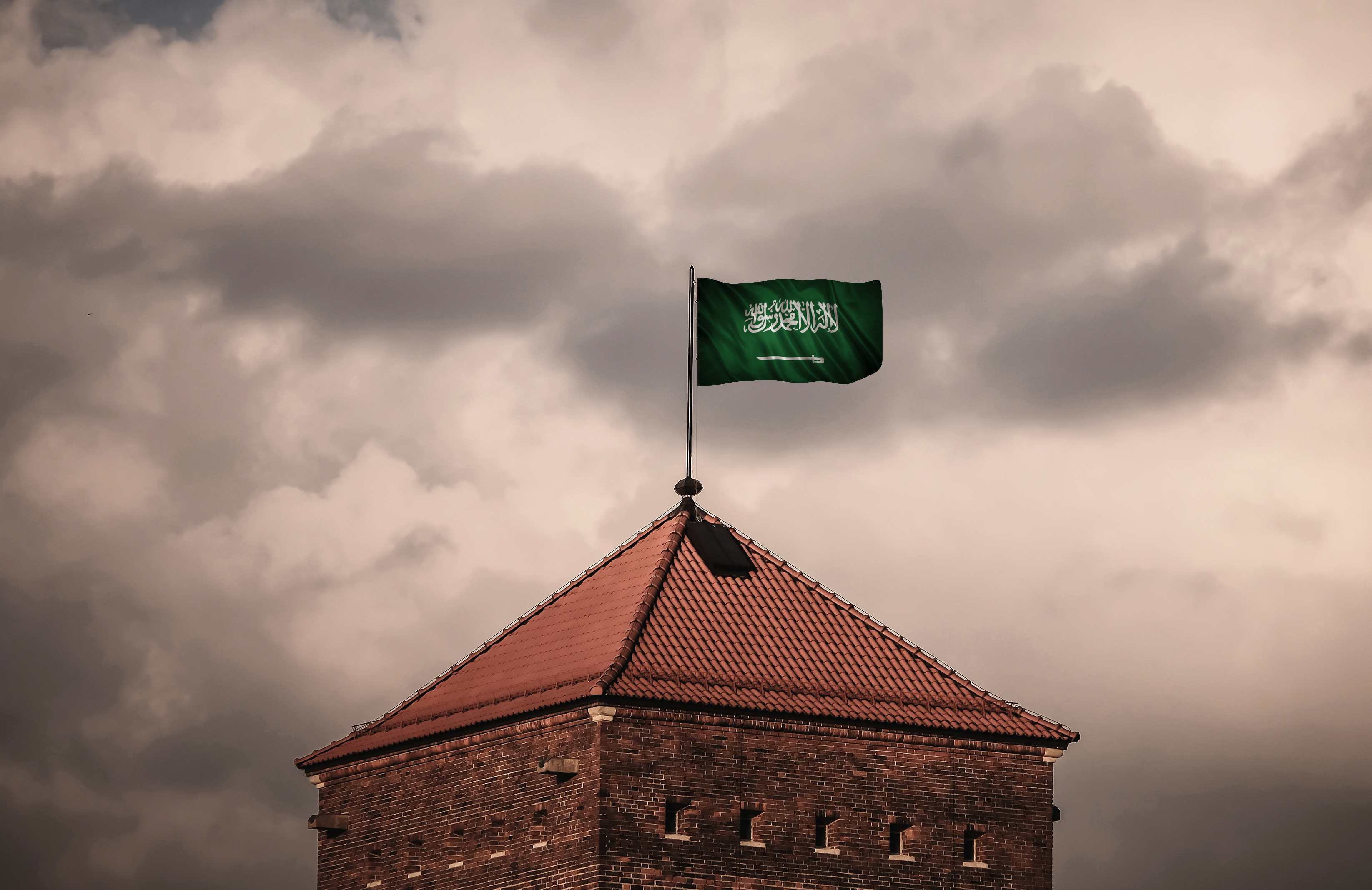
Qatar and Saudi Arabia have been the centre of opposing ends of a Gulf dispute that has engulfed the region in the last couple of years. Saudi and several Gulf states initiated a blockade of Qatar in June 2017 over what they claimed was Qatari support for terrorism. The boycotting nations set 13 demands for lifting the boycott, including the closing down of Al Jazeera Media Network, shuttering a Turkish military base and reducing ties with Iran.
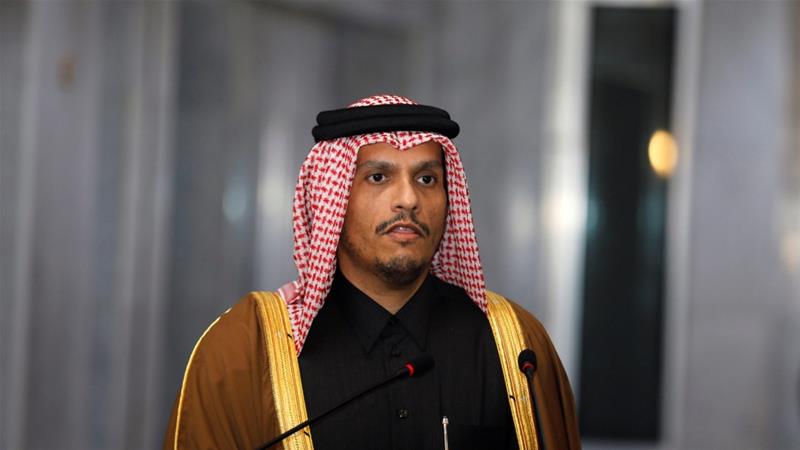
This blockade has been ongoing for the past 2 years, with no progress being made. In December last year, however, a breakthrough was made, as Qatar’s foreign minister has made an unannounced visit to Riyadh, amid signs that a 2-1/2-year rift among U.S.-allied Gulf Arab states could soon subside. During his visit, Sheikh Mohammed bin Abdulrahman Al Thani met senior Saudi officials and made an offer to end the rift between Qatar and its blockading neighbours. It was unclear if the visit included a meeting with Saudi Arabia’s de facto ruler Crown Prince Mohammed bin Salman. This was the highest-level visit by a Qatari official to the kingdom since May when Qatar’s prime minister attended an Arab summit in Mecca.
The significance of this was clear, and there was widespread hope that this would lead to the end of the blockade soon, and strengthening of Gulf Unity. However, complications have mudded these visions for now, as point 2 explains.
Qatar says talks were suspended in January
In an unexpected turn of events, talks have appeared to have broken down, as Qatar’s foreign minister has said efforts to resolve a years-long Gulf diplomatic crisis were not successful and were suspended at the start of January. On Saturday, he did not elaborate further on the suspension of talks despite signs in recent months pointing to a possible thaw in relations between Saudi Arabia and Qatar.
A Qatari source familiar with government thinking told Reuters that discussions had ended because demands on Qatar were unrealistic, saying “we weren’t going to become a proxy state”, hinting at Saudi Arabia demanding it impose its influence on Qatar and use it to advance its geopolitical interests, especially in countering Iran on the Persian Gulf.
According to the sources, Qatar’s priority from the talks was to restore freedom of movement for its citizens, reopen the airspace of boycotting countries and Qatar’s only land border with Saudi Arabia.
This is significant in showing Saudi Arabia’s refusal to budge and compromise in finding an agreement with Qatar and values its geopolitical interests more highly than achieving Gulf Unity.
Optimism remains on several fronts
Despite these worrying signs, there are important reasons to be optimistic. Firstly, the Qatari Foreign Minister stated, that while efforts to resolve row were unsuccessful, Doha open to ‘any offer to resolve’ issue. Therefore, Qatar has not only shown willingness to negotiate but also left the door open for re-opening negotiations after they broke down this January.
A second positive sign is the UAE has resumed postal services to Qatar following a meeting of parties involved in the dispute with the United Nations postal service. Indirect services resumed on Sunday with mail transported to Qatar via Oman one of the main Gulf gateways to Qatar since the beginning of the blockade in 2017.
The UAE government has yet to comment on the resumption of postal services and it was not immediately clear why services had resumed despite the continuing blockade. A Universal Postal Union spokesman told Reuters that the decision came after a January 29 meeting between Doha and the boycotting parties in Switzerland. “UPU finds it very positive that there was an agreement to discuss these issues and the discussions were a positive development and a step in the right direction,” he said.
Nevertheless, it is an important sign showing that relations between the UAE and Qatar are slowly heading towards normalization, meaning possibly that Saudi Arabia could eventually be left isolated in its blockade on Qatar if this trend continues.