Background
Armenia and Azerbaijan’s conflict in the disputed Nagorno-Karabakh region has deep historical roots that go back to the 20th century. The region was populated for centuries by Christian Armenian and Turkic Azeris and became part of the Russian empire in the 19th century. Both groups lived in relative peace with occasional exchanges of force until the early 20th century.
After the end of the First World War, between 1918 and 1920 both Armenia and Azerbaijan gained their independence from the Russian Empire. However, the Soviet Union encompassed the two countries and possessed a significant part of their independence. The new Soviet rulers established the Nagorno-Karabakh Autonomous Region, with an ethnic Armenian majority, within the Soviet Socialist Republic of Azerbaijan in the early 1920s.
During the 1980s, the Gorbachev’s liberal policies weakened the control over the Caucasus, and as a consequence, many strikes and protests emerged in the region. The conflict exploded into violence when the region’s parliament voted to join Armenia. During the fighting, in which between 20,000 and 30,000 people are estimated to have lost their lives, the ethnic Armenians gained control of the region. They also pushed on to occupy Azerbaijani territory outside Karabakh, creating a buffer zone linking Karabakh and Armenia. As a result, thousands of Azerbaijanis left the region.
The conflict reached its peak in 1989 when thousands died in one of the cruellest battles in the Caucasus. With the break-up of the Soviet Union, in late 1991, Karabakh declared itself an independent republic, further escalating the conflict into a full-scale war. That de facto status has not been recognised internationally. The violence lasted until May 1994 when a cease-fire, the Bishkek Protocol, was signed by Armenia and Azerbaijan. However, the Russian-brokered ceasefire left Karabakh as well as swathes of Azeri territory around the enclave in Armenian hands. The ethnic Azeri population which made up about 25% of the total before the war, fled.
Since the ceasefire, there has been relative peace, however, tensions remained. Azeris resent the loss of land they regard as rightfully theirs, while the Armenians show no sign of willingness to give it back. Furthermore, the closure of borders with Turkey and Azerbaijan has caused landlocked Armenia severe economic problems.
There have been attempts at talks between the 2 parties, in 2009 for example, but progress stalled, and since then there have been a number of serious ceasefire violations. The most serious up until the latest fighting occurred in April 2016, when dozens of soldiers on both sides died in a fresh flare-up of hostilities.
A few weeks ago, hostilities in Karabakh reignited, and fighting has been ongoing since then, with Azerbaijani forces rapidly advancing into the territory.
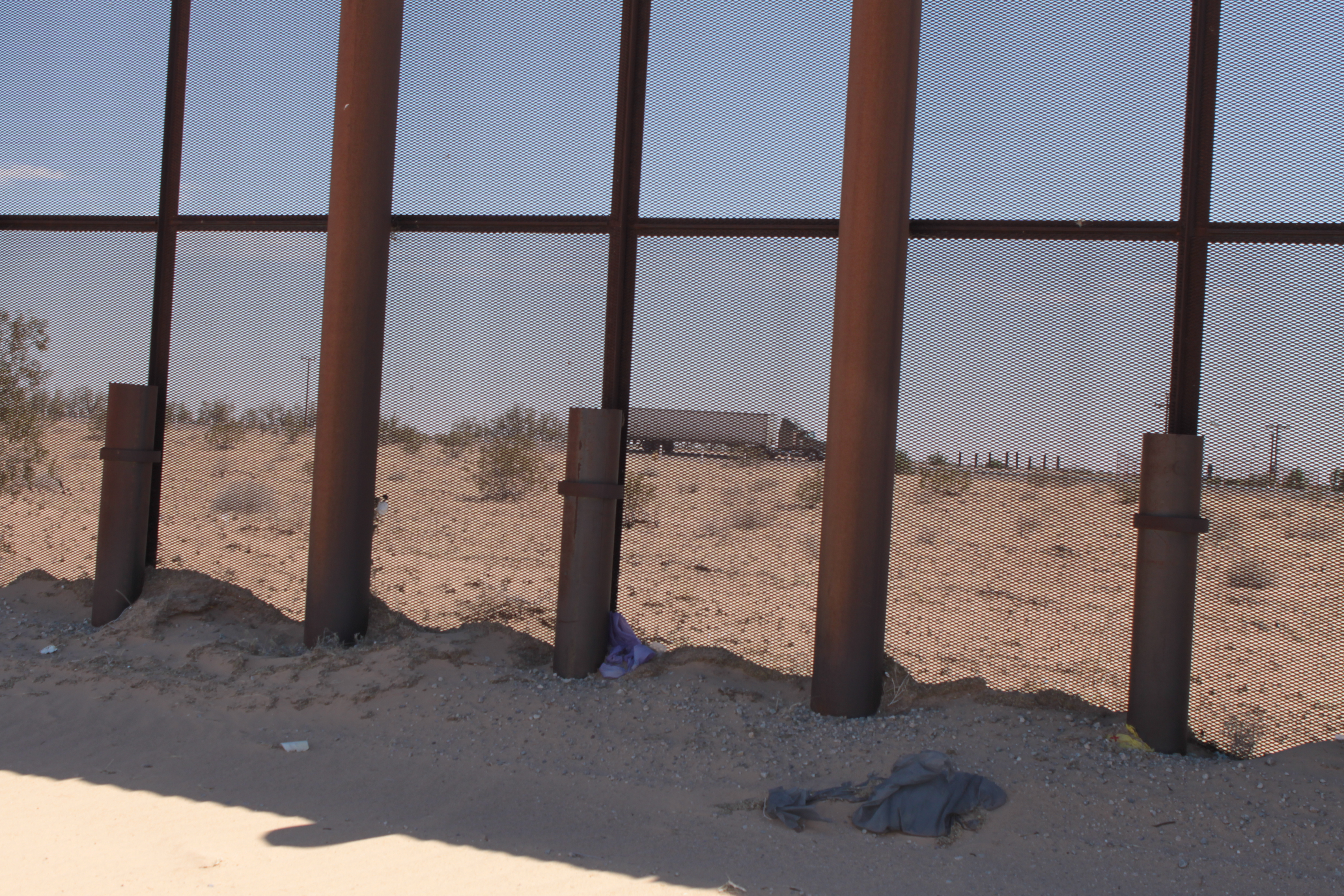
Azerbaijan takes control of entire Iran border
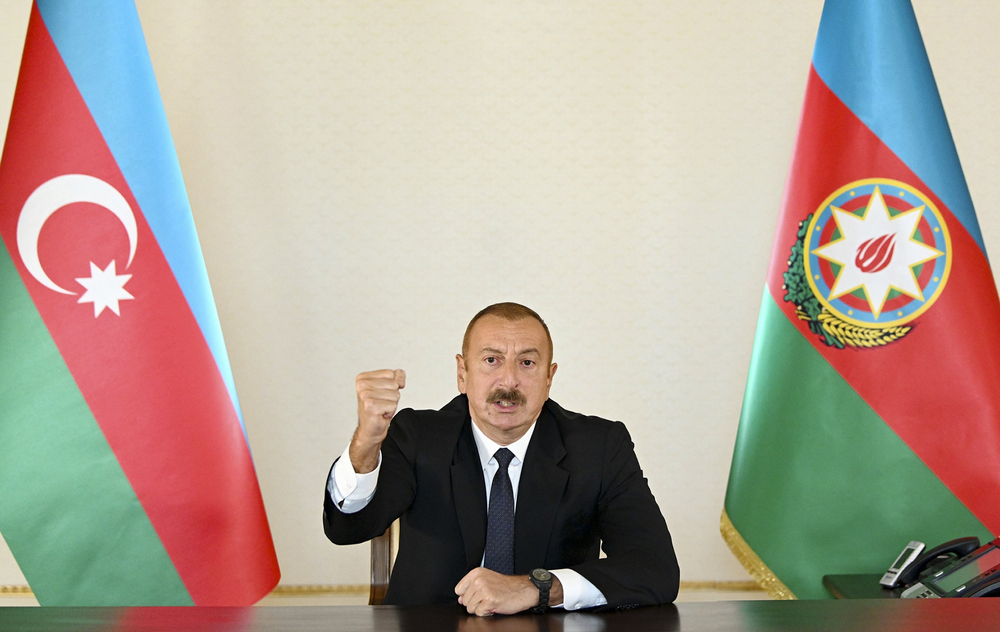
On the 26th day of the conflict in Nagorno-Karabakh, the entire territory on the Azerbaijan-Iran border that was held by Yerevan for almost 30 years has now been saved, President Ilham Aliyev said Thursday. The president celebrated the victory for the people of Azerbaijan and Iran.
The Azerbaijani army also captured 20 villages and a town from Armenian occupation, he further expressed. So far in the conflict, three city centers, two towns and 112 villages have been captured from Armenian occupation.
“Azerbaijan’s glorious Army has liberated Mollaveli, Yuxari Refiddinli and Ashagi Refiddinli villages of Fuzuli district and Sirik, Shikhlar, Mestelibeyli and Derzili villages of Jabrayil district. Long live Azerbaijan’s Army! Karabakh is Azerbaijan!” Ilham Aliyev said on Twitter.
In another Twitter post, Aliyev said the army has also liberated Kollugishlag, Malatkeshin, Kend Zengilan, Genlik, Veligulubeyli, Garadere, Chopedere, Tatar, Tiri, Emirkhanli, Gargulu, Bartaz and Dellekli villages, and Agbend settlement of Zengilan.
“The state border between Azerbaijan and Iran has been completely secured through liberation of the Agbend settlement,” he added.
This success of the Azerbaijani forces in the war has made it clear that if the current trend continues, the whole Karabakh territory could be re-captured by Azerbaijan in the next months, as Armenia are struggling to deal with the modern Turkish and Israeli combat drones that Azerbaijan are using.
NATO will not interfere
Signifying Armenia’s weak position in the conflict, the country has called for external interference, first from Russia, and now from NATO. NATO Secretary General Jens Stoltenberg welcomed President Armen Sarkissian of Armenia at NATO Headquarters on Tuesday 21 October 2020. Mr. Stoltenberg said that Armenia is a valued partner for NATO and thanked President Sarkissian for the contributions that Armenia has made to NATO missions and operations over the years, including in Afghanistan. But the visit proved futile as NATO’s Secretary-General, Jens Stoltenberg, later said NATO will not be a part of the ongoing tussle.
“I reminded the [Armenian] president that NATO is not part of this conflict. Both Armenia and Azerbaijan have been valued NATO partners for more than 25 years,” said Stoltenberg in a joint news conference with President Sarkissian.
“NATO is deeply concerned by ongoing violations of the cease-fire, which have caused tragic loss of life,” said Stoltenberg, adding that ending hostilities and sufferings is important for both the alliance and international security.
“It is vital that all sides now show restraint, observe the cease-fire, and de-escalate. Any targeting of civilians is unacceptable and must stop,” he added.
Despite the Secretary-General emphasising that the targeting of civilians is unacceptable, Armenia had repeatedly violated ceasefire by hitting civilian settlements that killed dozens of Azerbaijanis.
It is therefore clear that NATO will not be getting involved in the conflict, and there remains little hope for Armenia to gain external help. Russia coming to the aid of Armenia remains a possibility, but that would also most probably trigger Turkish direct intervention on Azerbaijan’s side.