KJ ReportsKJ Reports

10 of the deadliest Hajj tragedies

27 August 20171,118

Listen to this article

KJ narrates this report in his own voice

10 of the deadliest Hajj tragedies

There have been numerous stampedes and other deadly incidents during Hajj since 1975, killing thousands of pilgrims. We take a look at 10 of the deadliest incidents.

1.  December 1975 Fire

A huge fire started by a gas canister exploding in a pilgrim camp close to Mecca kills 200 people.

2. December 1979 – Insurgency

Hundreds of gunmen opposed to the Saudi government barricade themselves inside the Grand Mosque, taking dozens of pilgrims hostage. The official toll of the assault and subsequent fighting is 153 people dead and 560 wounded.

3. July 1987 – Protests

Saudi security forces suppress an unauthorised protest held by Iranian pilgrims. More than 400 people, including 275 Iranians are killed, according to an official toll.

4. July 1990 – Stampede

A huge stampede occurs in a tunnel at Mina after a failure in its ventilation system kills 1,426 pilgrims, mainly from Asia.

5. May 1994 – Stampede

270 pilgrims are killed in a stampede during the stoning ritual at Mina, an incident authorities attribute to record numbers of pilgrims at the site.

6. April 1997 – Fire

343 pilgrims are killed in a fire at the tent city of Mina as the blaze is aided by high winds. More than 1,500 are injured.

7. April 1998 – Stampede

More than 118 people are killed and 180 injured in a stampede at Mina.

8. February 2004 – Stampede

A crush of pilgrims at Mina kills about 250 pilgrims and injures hundreds on the final day of the hajj ceremonies.

9. January 2006 – Stampede

More than 360 pilgrims are killed in a stampede in Mina,, where pilgrims carry out a symbolic stoning of the devil by throwing pebbles against three stone walls. The day before the hajj begins, an eight-storey building being used as a hostel near the Grand Mosque in Mecca collapsed, killing at least 73 people. Also 76 people died when a hotel collapses in the city centre.

10. September 2015 – Crane Collapse and Stampede

At least 310 are killed and hundreds injured in a stampede in Mina, on the outskirts of the holy city of Mecca.

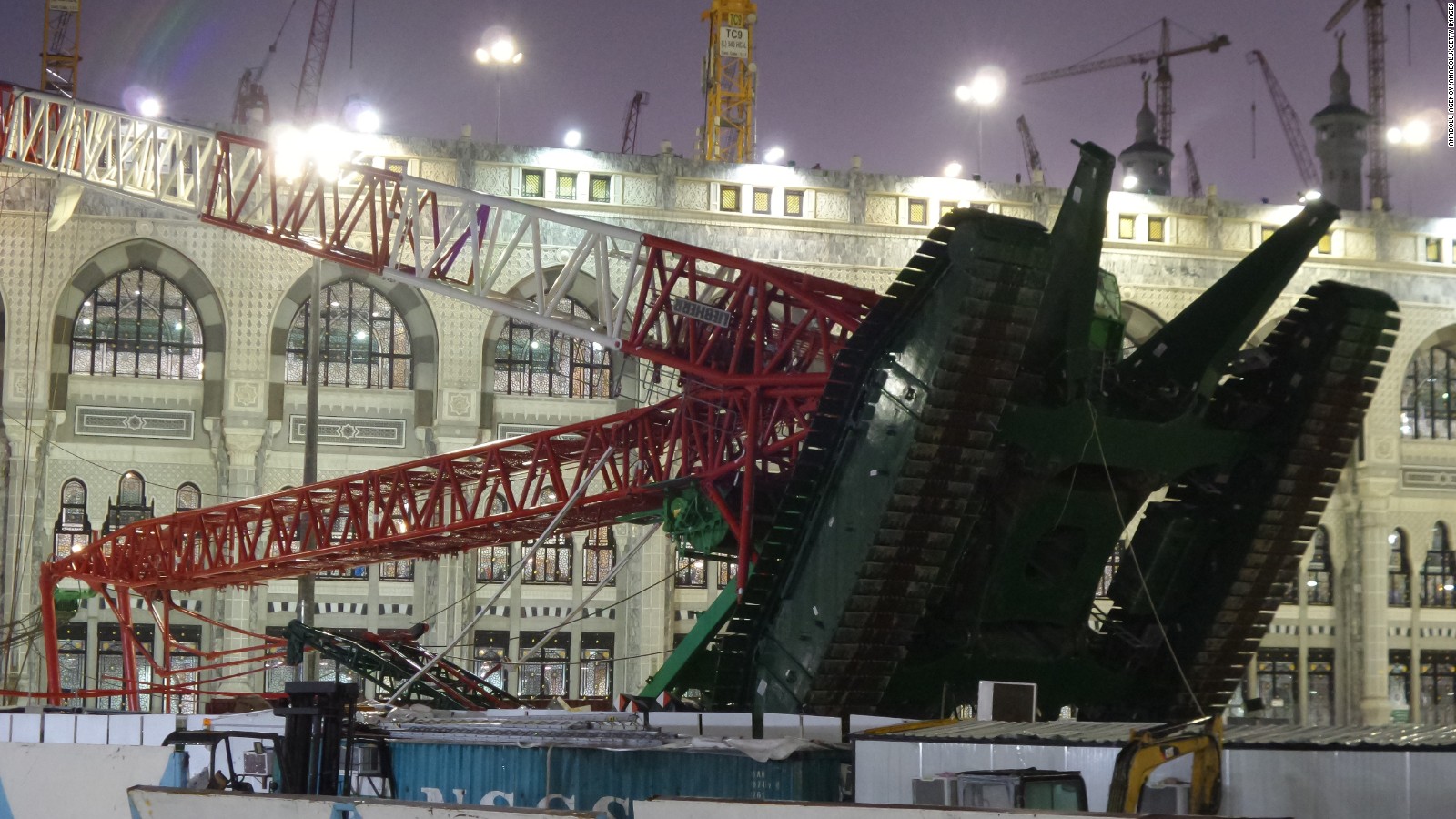
In the lead-up to hajj, at least 107 people are killed and nearly 400 wounded when a crane collapses in bad weather, crashing on to the Grand Mosque in Mecca, Islam’s holiest site.

Reference – https://www.theguardian.com/world/2015/sep/24/timeline-of-tragedies-in-mecca-during-hajj
 

#hajj-incidents#hajj-tragedy

Related Intelligence

More articles
The Ghost of Radcliffe: Why 1947 Still Governs 21st-Century Asia
History

The Ghost of Radcliffe: Why 1947 Still Governs 21st-Century Asia

Geographic partitions are not historical events; they are active geopolitical engines. In South Asia, a hasty retirement from Empire created a structural instability that ensures permanent mobilisation and restricts the rise of two nuclear powers.

15 Mar 2026

Pax Mongolica: The Hard-Power Blueprint for Global Integration
History

Pax Mongolica: The Hard-Power Blueprint for Global Integration

Modern globalisation is often framed as a Western invention. In reality, the 13th-century Mongol Empire established the first template for a borderless economy, proving that global trade requires a single, ruthless security guarantor to function.

15 Jan 2026

The Dollar Pact: Why Bretton Woods Never Actually Ended
History

The Dollar Pact: Why Bretton Woods Never Actually Ended

The 1944 Bretton Woods agreement is often treated as a historical relic. In reality, its core architecture remains the primary engine of American hegemony, weaponising global trade through a system of structural dependency that has no peer.

15 Oct 2025

The New Feudalism: Why the Westphalian Order is Withering
History

The New Feudalism: Why the Westphalian Order is Withering

The nation-state is not dying, but it is losing its monopoly on power. As digital territories and corporate spheres of influence supersede physical borders, we are witnessing the gradual return of pre-Westphalian overlapping jurisdictions.

15 Jun 2025

The Invisible Rot: Why Great Powers Implode From Within
History

The Invisible Rot: Why Great Powers Implode From Within

Conventional wisdom blames external rivals for the fall of empires. History suggests otherwise. True decline is a domestic process of institutional sclerosis, currency debasement, and the fatal decoupling of elites from national interests.

15 Feb 2025

The Suez Moment: When London Realised Might Was Not Money
History

The Suez Moment: When London Realised Might Was Not Money

In 1956, Britain’s imperial facade collapsed not through military defeat, but through a financial ambush. This structural analysis examines why the Suez Crisis remains the ultimate lesson in the fragility of debt-backed power.

15 Oct 2024