KJ ReportsKJ Reports

Will Trump be impeached?

17 May 2017897

Listen to this article

KJ narrates this report in his own voice

Read original article by Sonam Sheth on the Atlantic or read just the key points below;

  1. The White House has been engulfed in controversy since President Donald Trump fired FBI Director James Comey last week. The New York Times then published an explosive report that Trump asked Comey in February to drop the FBI’s investigation into former National Security Adviser Michael Flynn, who had resigned the day before triggering discussion of impeachment.
  2. An impeachment is essentially a formal indictment of a government official. Being impeached does not remove an official from office — rather, it means formal charges are being brought against them.
  3. At the federal level, the president, vice president, and “all civil officers of the United States” can be impeached for “treason, bribery, or other high crimes and misdemeanors,” according to Article II of the US Constitution.
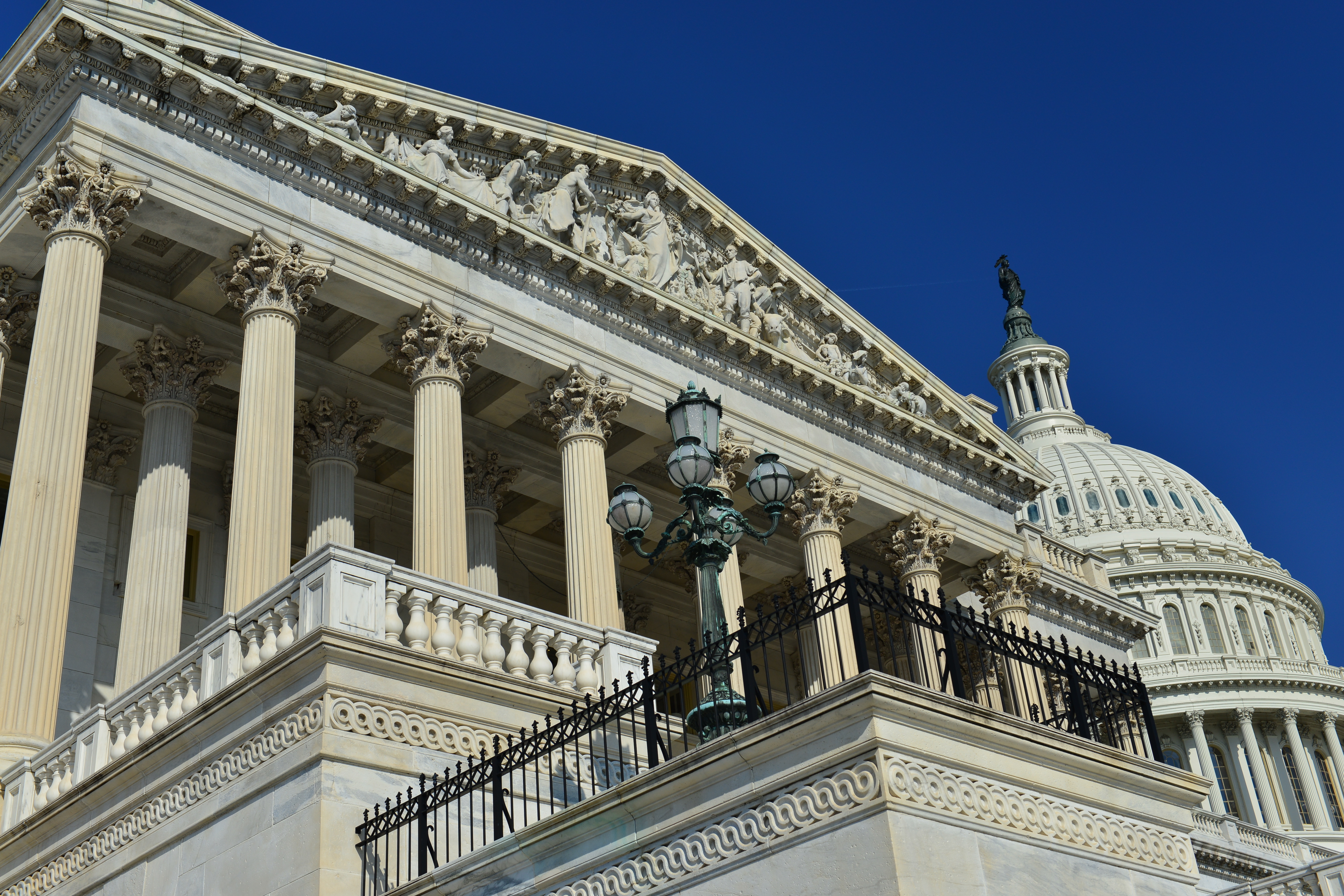
  4. In the case of a presidential impeachment, the onus is on Congress to bring a charge. The House of Representatives drafts an article of impeachment, while the Senate holds the trial.
  5. Keith Whittington, an expert on presidential impeachment and a professor of politics at Princeton University, said: “It may be that he’s acting completely within his legal authority and yet still has abused his office in ways that might rise to the level of impeachable offenses. “But that would have to be something that would need to be explored through congressional hearings,” he said.
#trump-impeachment

Related Intelligence

More articles
The Durango Hedge: Mexico’s Role in the Great Tech Decoupling
United States

The Durango Hedge: Mexico’s Role in the Great Tech Decoupling

As Washington and Beijing sever semiconductor ties, Mexico is transforming from a low-cost assembly hub into the critical fail-safe for the AI era. Power, geography, and North American energy are rewriting the rules of silicon sovereignty.

16 Aug 2026

The Hegemon’s Disconnect: Why Israel Was Left Behind
United States

The Hegemon’s Disconnect: Why Israel Was Left Behind

Washington’s decision to finalise the 2026 Tehran Accord without Israeli consent marks a definitive shift. It signals the end of the US-led security umbrella in the Middle East and the birth of a cold, pragmatic multipolarity.

5 Aug 2026

The Hegemon’s Fatigue: The End of US Forward Presence
United States

The Hegemon’s Fatigue: The End of US Forward Presence

Internal legislative paralysis and the erosion of executive war powers signal a structural shift in American grand strategy. Washington is no longer withdrawing by choice, but by domestic necessity, ending the era of global forward presence.

28 Jul 2026

The Infrastructure Ultimatum: Resetting Deterrence via Civilian Pain
United States

The Infrastructure Ultimatum: Resetting Deterrence via Civilian Pain

Washington has abandoned the pursuit of surgical military strikes in favour of targeting the dual-use infrastructure that keeps modern societies functioning. The shift signals a desperate attempt to regain leverage over Tehran without starting a ground war.

26 Jul 2026

The Attrition Doctrine: Why Washington Abandoned Managed Escalation
United States

The Attrition Doctrine: Why Washington Abandoned Managed Escalation

Under the second Trump administration, the United States has pivoted from cautious proxy support to the systematic destruction of adversary infrastructure. This shift marks the definitive end of the post-Cold War era of calibrated conflict management.

25 Jul 2026

The Islamabad Memorandum: Ending the Age of American Interventionalism
United States

The Islamabad Memorandum: Ending the Age of American Interventionalism

The landmark agreement in Pakistan signals a definitive shift in US grand strategy. By trading military dominance for regional pacification, Washington has acknowledged that its internal populist pressures now outweigh its external imperial ambitions.

1 Jul 2026