1. Trump cancels trip to Denmark
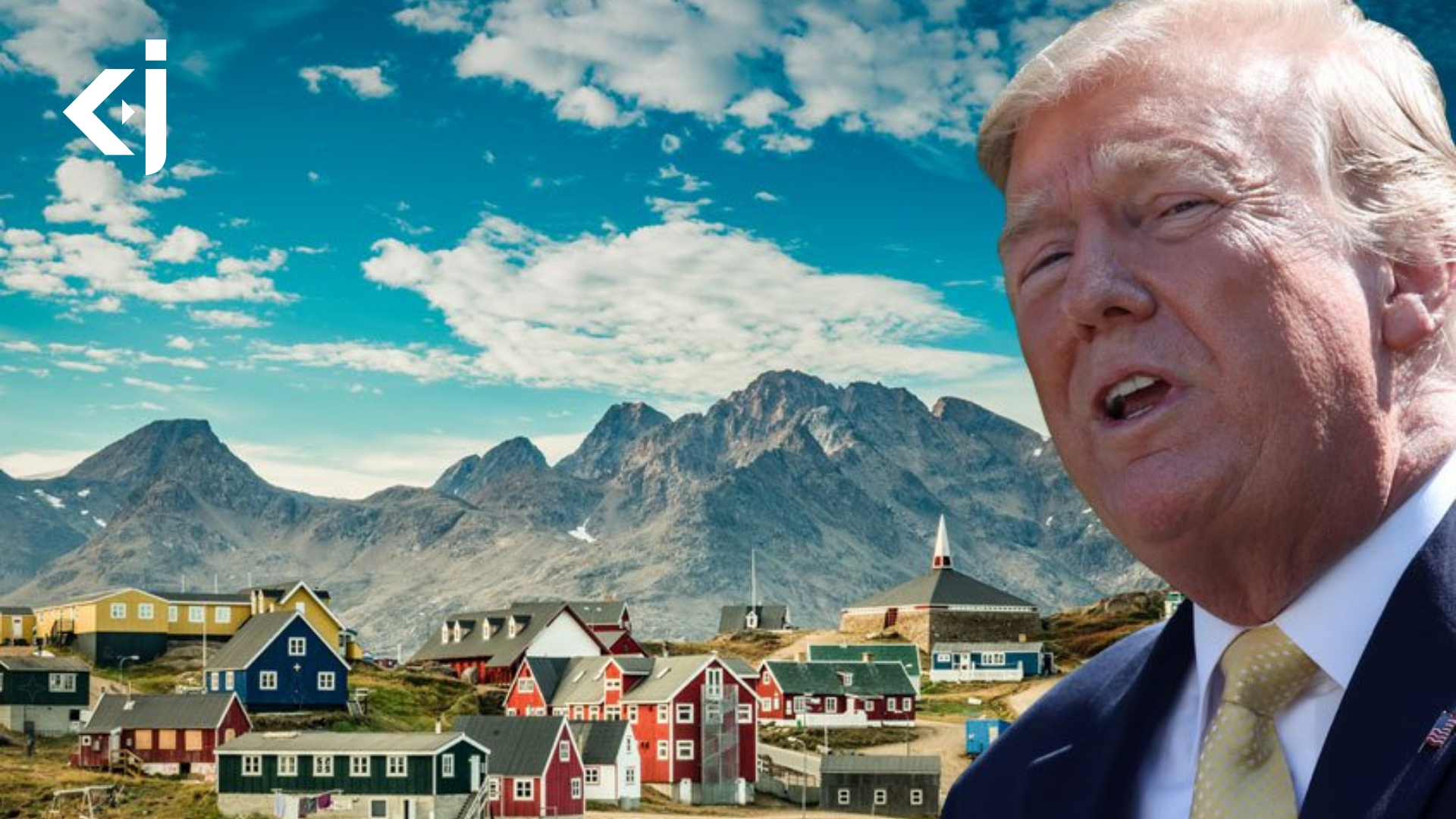
President Donald Trump is calling off an upcoming trip to Denmark after its prime minister rebuffed his interest in buying Greenland, a Danish territory, the White House announced on Tuesday.”Denmark is a very special country with incredible people but based on Prime Minister Mette Frederiksen’s comments, that she would have no interest in discussing the purchase of Greenland, I will be postponing our meeting scheduled in two weeks for another time,” Trump tweeted. “The Prime Minister was able to save a great deal of expense and effort for both the United States and Denmark by being so direct. I thank her for that and look forward to rescheduling sometime in the future!” This shows that Trump is disappointed and possibly surprised by Denmark’s reaction to the proposal but will not give up.
2. Denmark shocked by Trump
Denmark has displayed shock and disbelief over Trump’s cancellation of his visit to the nation as a result of their rejection of putting Greenland on sale. The US president’s proposal at first stimulated laughter from politicians in Denmark, with the former premier Lars Løkke Rasmussen saying: “It must be an April Fool’s Day joke.” Now, the state is shocked at the seriousness Trump took the issue by. “Total chaos with @realDonaldTrump and cancellation of the state visit to Denmark. It has gone from a big opportunity for strengthened dialogue between allies to a diplomatic crisis,” the former foreign minister Kristian Jensen, a member of the opposition Liberal party, said on Twitter. He also added that everyone should know that Denmark is not for sale.
3. Why does Trump want Greenland
Trump’s move to buy Greenland may come as a shock to many, but there are major geopolitical, personal and economic reasons for the US that led to Trump’s move. For Trump himself, it is the real estate deal of a lifetime, one that would secure a landmass a quarter the size of the US and cement his place in US history alongside President Andrew Johnson, who bought Alaska from Russia in 1867. But a more important advantage is Greenland harbours some of the largest deposits of rare-earth metals, including neodymium, praseodymium, dysprosium and terbium, along with uranium and the byproducts of zinc, which would boost the US’s production and export capabilities as well as standards. Meanwhile, the US wants to remove China’s presence from the island, which will be further explained in point 5.
4. How much would the US have to pay?
Buying such a large land mass would certainly not be cheap, and could take an economic toll on the US. Greenland encompasses 536,000 square miles. About 80% of that area is water. Just over 55,000 people live in Greenland. It has virtually no infrastructure outside of Nuuk, its largest city and capital. Furthermore, Its gross domestic product is just above $2 billion and the largest part of the tiny economy is from fishing. However, if the United States wants it for the strategic value of its property, both on land and offshore, and to project military power, estimates would go around $500 billion.
5. China there before the US
While Trump has set his sights on Greenland, the US’s geopolitical rival, China has already established a presence in the island. China’s interest in Greenland can be found through an Australian company of the same name, Greenland Minerals, which has Shenghe Resources Holdings as its largest shareholder with an 11% stake. Shenghe is a leading producer of rare earth in China and has acquired its stake in Greenland Minerals as a future potential source of the elements which find their way into multiple technologies including military ones. China’s dominance of the industry and threats to impose restrictions on exports to the U.S. has made rare earth a hot topic in the ongoing trade dispute between the two countries and could have been one of the main factors in persuading President Trump to make an attempt to buy Greenland.