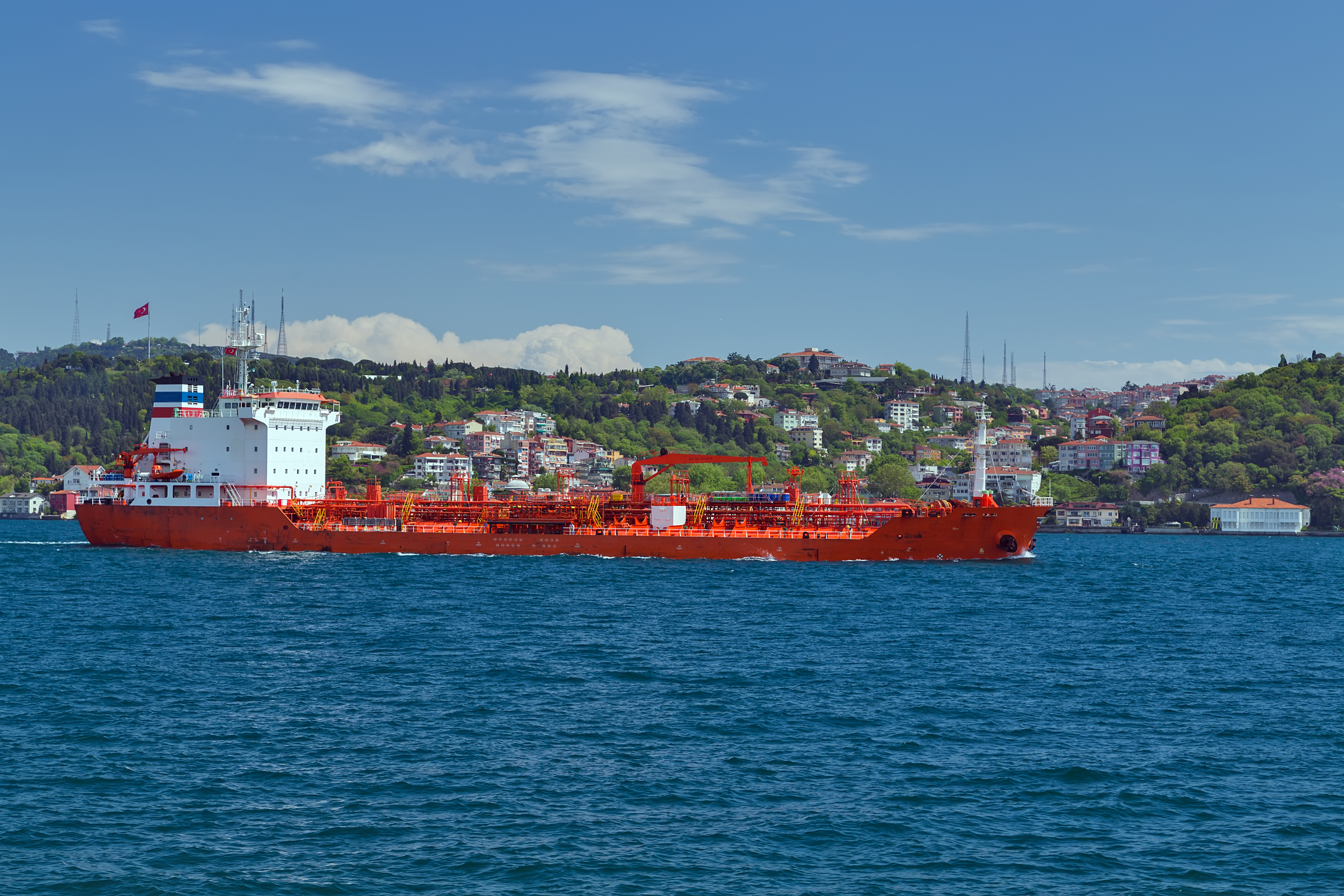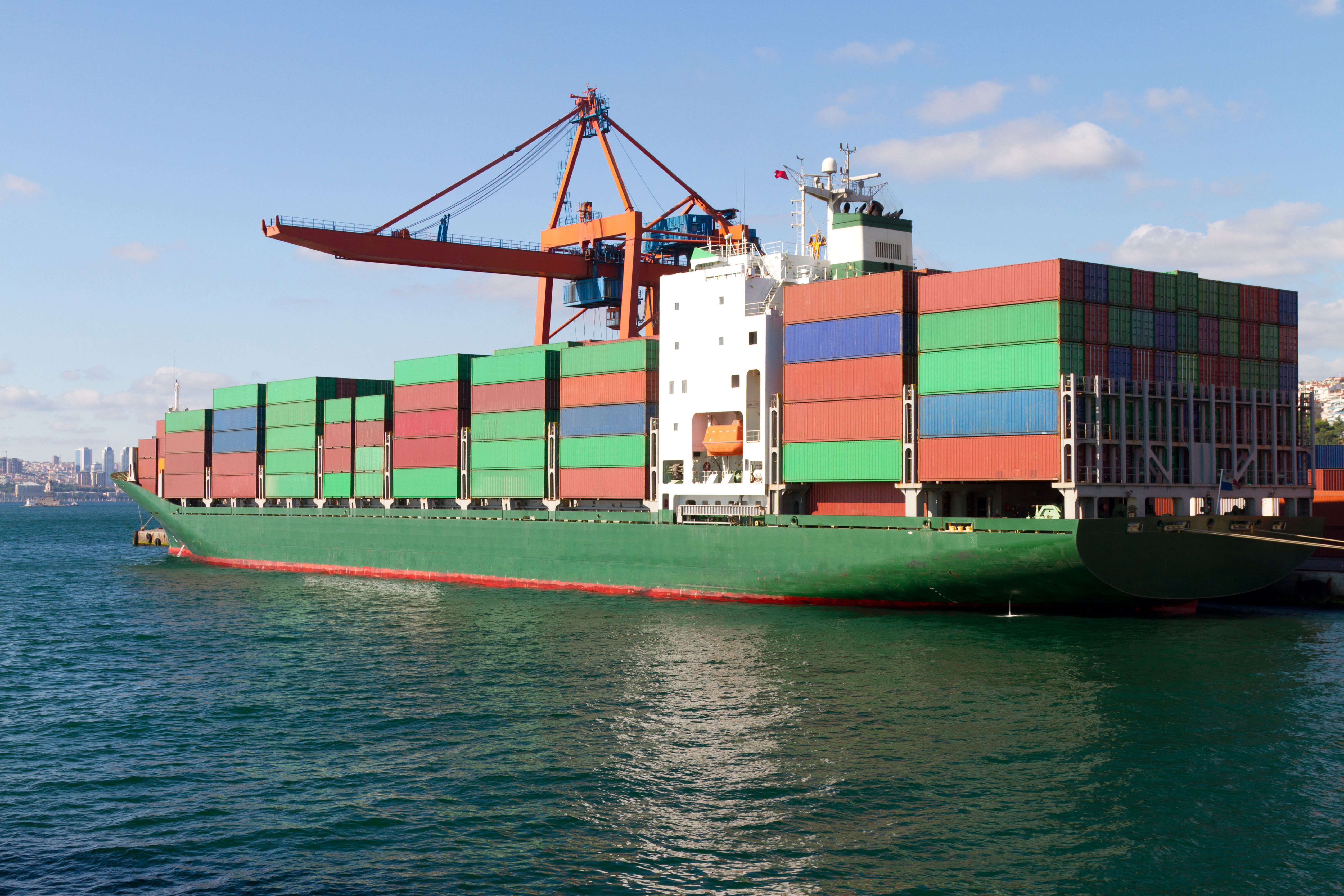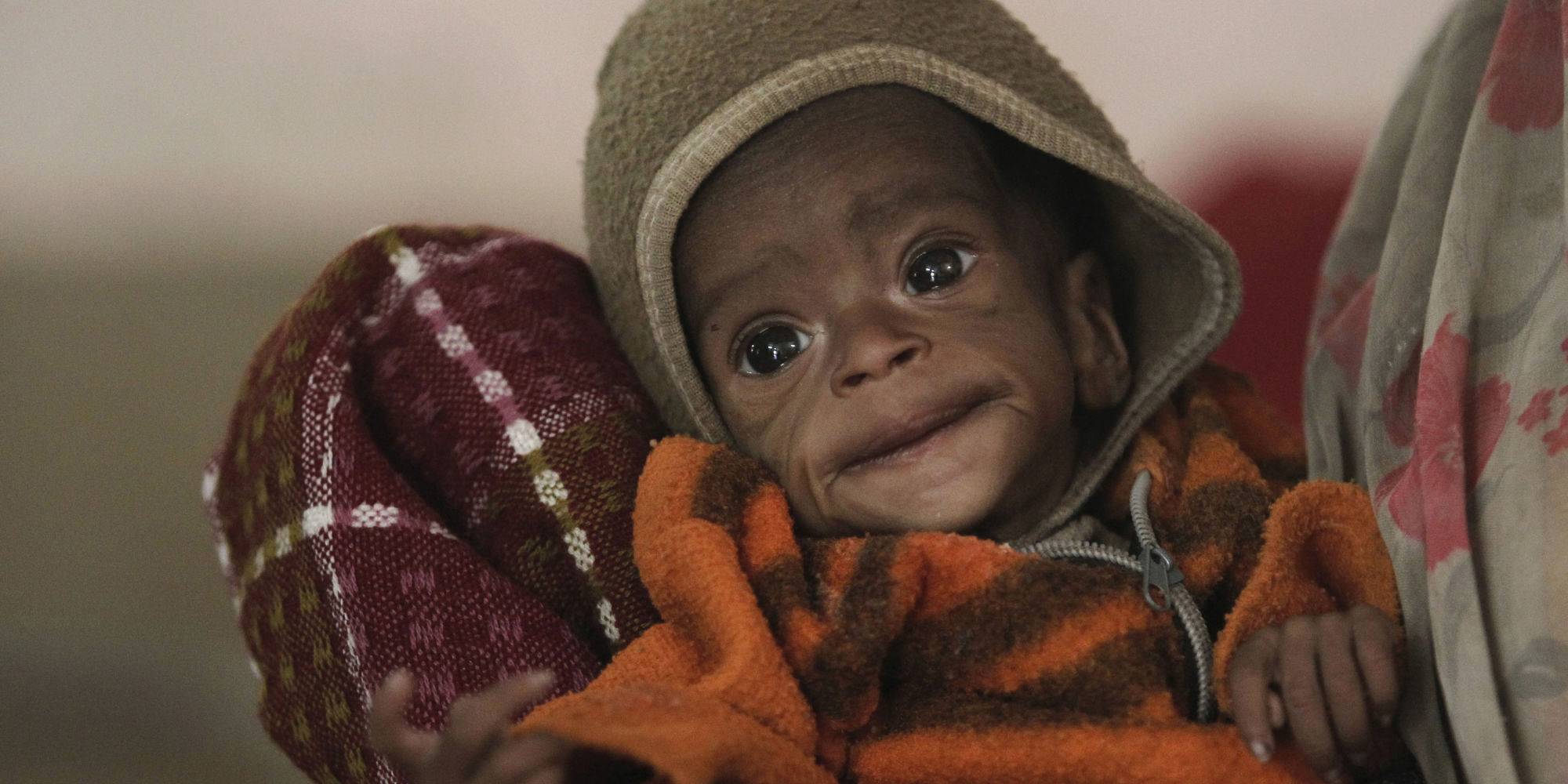
Hunger is a worldwide problem, Hundreds die every hour from starvation, and the problem will not fade away anytime soon. In this video, we count down the top five Countries with the highest percentage of underweight children.
Bangladesh
Bangladesh’s population is large in 2015 the population was at a grand 161 million, and 36.8% of the child population were underweight and 16.7% where undernourished. Bangladesh still cannot provide its people with a fair amount of nutritious foods, says a global report on hunger. Bangladesh has slipped further to 90th position in the hunger index out of 118 countries, showing a 17-notch fall from the previous year’s 73rd place. The country ranked 57 the year before (2014).
Niger
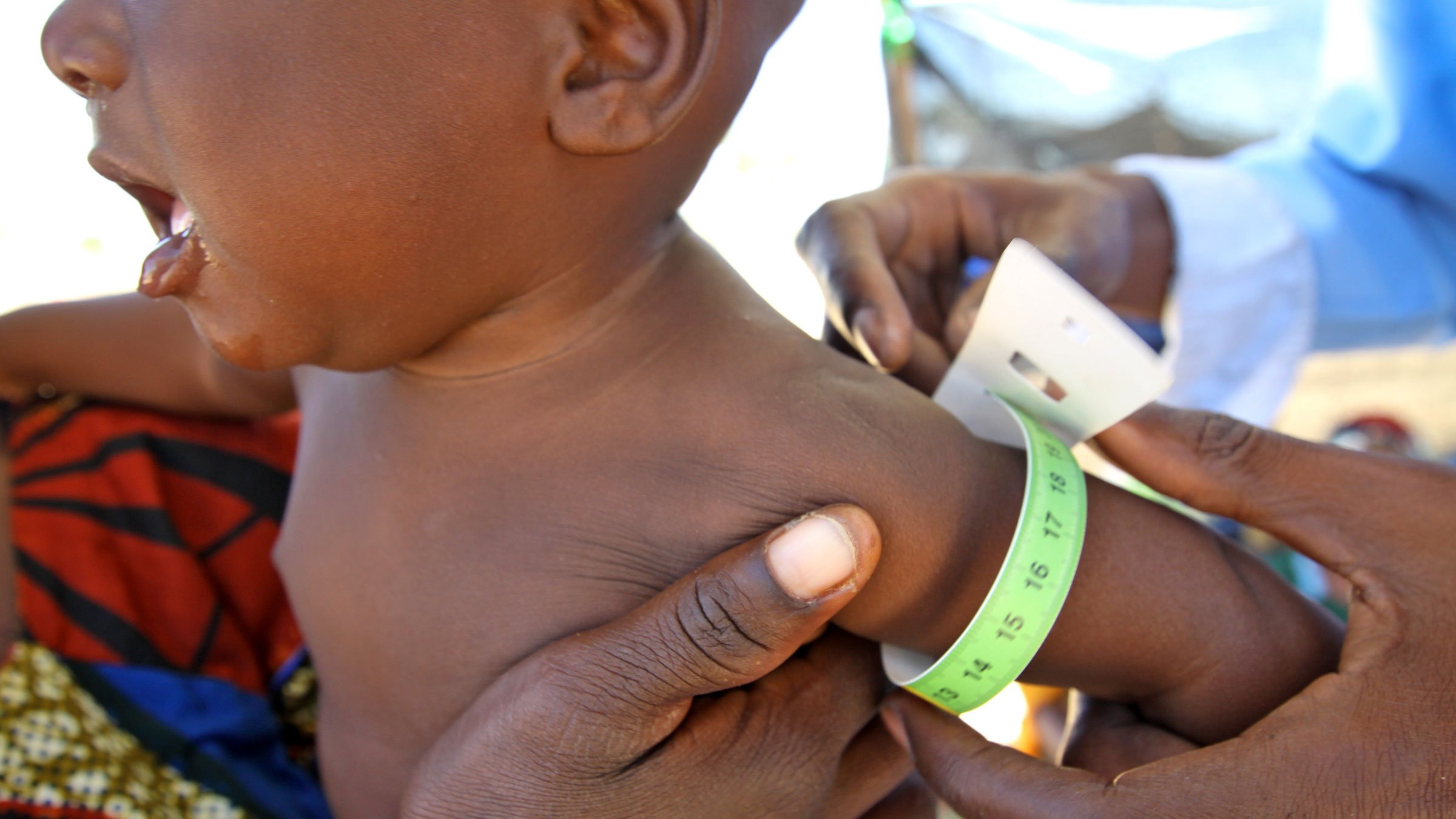
Niger is a vast desert country and one of the poorest on earth. Millions of people, a third of the population, face food shortages. 51.2% of children in Niger are underweight, Starving or malnourished. Aid agencies estimate that tens of thousands of children are in the advanced stages of starvation. Children are dying daily in the few feeding centres there are, where their place in the queue could make the difference between life and death.
Yemen
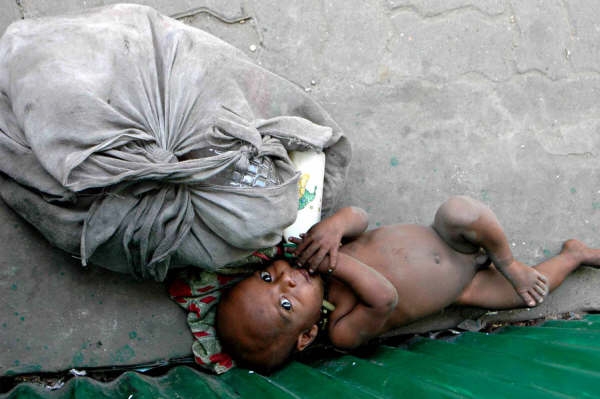
17 million Yemenis are hungry That’s 2/3 of the country’s population. It is one of the largest food crisis in the world in this country Almost half the population is on the edge of famine. … It’s a huge crisis. The situation? 43.1% Children are underweight and 25.7% malnourished.
Yemen grows little of its own food, and must import 90 percent of all its goods, but the war has severely limited imports. A naval blockade by Saudi Arabia, with US support, slows maritime traffic and imposes time-consuming inspections. Damage to the country’s largest deep-water port, has further slowed World Food Program deliveries.
India
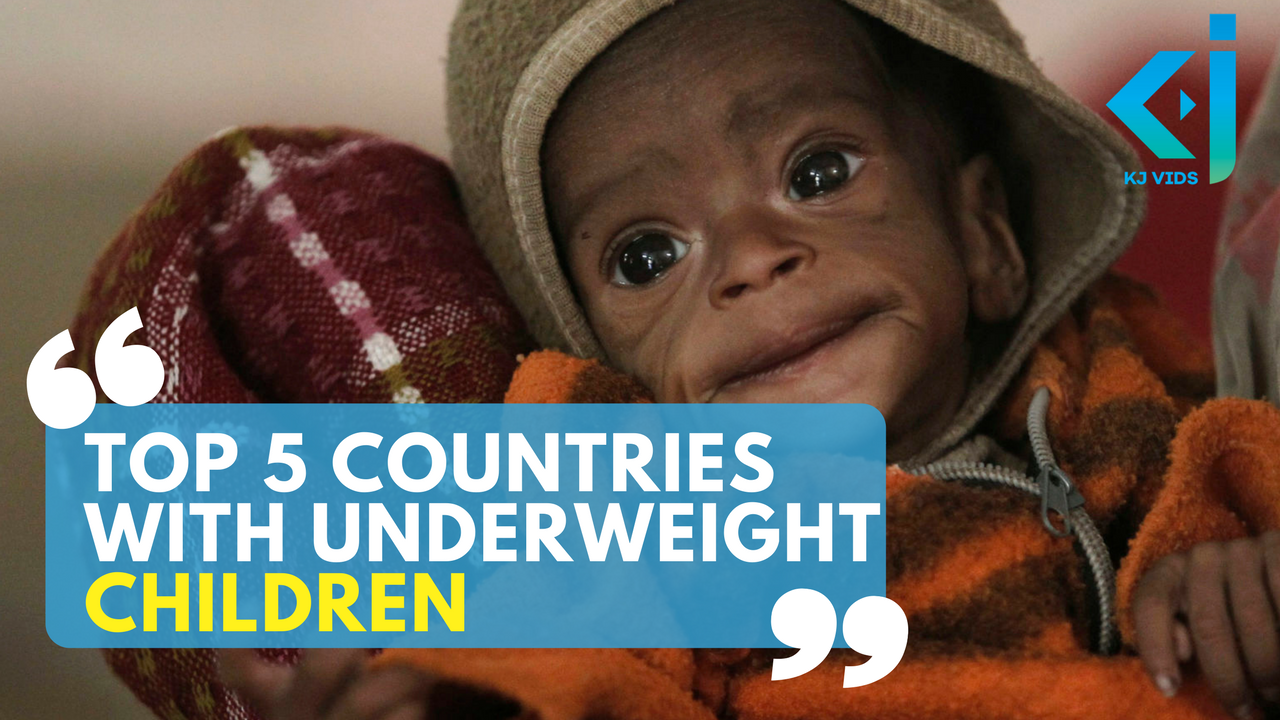
India with a population of over 1.2 billion, has seen tremendous growth in the past two decades. Gross Domestic Product has increased 4.5 times and per capita consumption has increased 3 times. Similarly, food grain production has increased almost 2 times. However, despite phenomenal industrial and economic growth and while India produces sufficient food to feed its population, it is unable to provide access to food to a large number of people, especially women and children. 194 million people are undernourished in India. By this measure India is home to a quarter of the undernourished population in the world. Also 48% of women between 15 and 49 years of age are anaemic and 44% of children under 5 are underweight.
Somalia
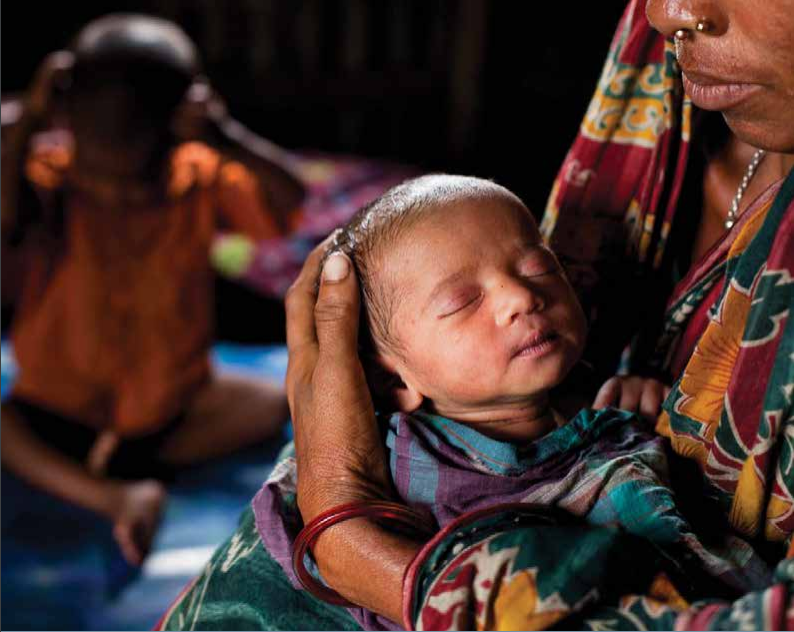
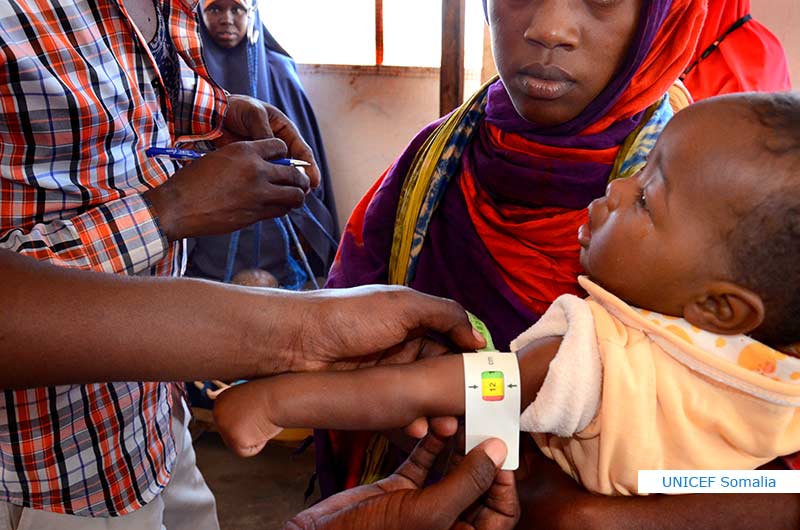
Somalia is ranked number 1 on our list as 45.3% are underweight and 38% are malnourished. 6 million people in Somalia are considered ‘food insecure’. 360,000 Children in Somalia are malnourished. Without Water there can be no crops, no crops = no food and the severe water issue in Somalia is rising, Somalis try to gather water any way they can. Communities drill deep bores 200 to 400 metres underground to access groundwater. Shallow wells are dug in the mountains and dams are built to collect surface water. Trucking in water is also common, where water trucks come periodically to refill water reservoirs called berkads. But these methods do not always provide safe and reliable sources for drinking water.
References
https://www.cia.gov/library/publications/the-world-factbook/rankorder/2224rank.html
http://www.fao.org/3/a-i4030e.pdf
http://www.fao.org/3/a-i4030e.pdf
http://www.poverty.com/