The Logic of Survival
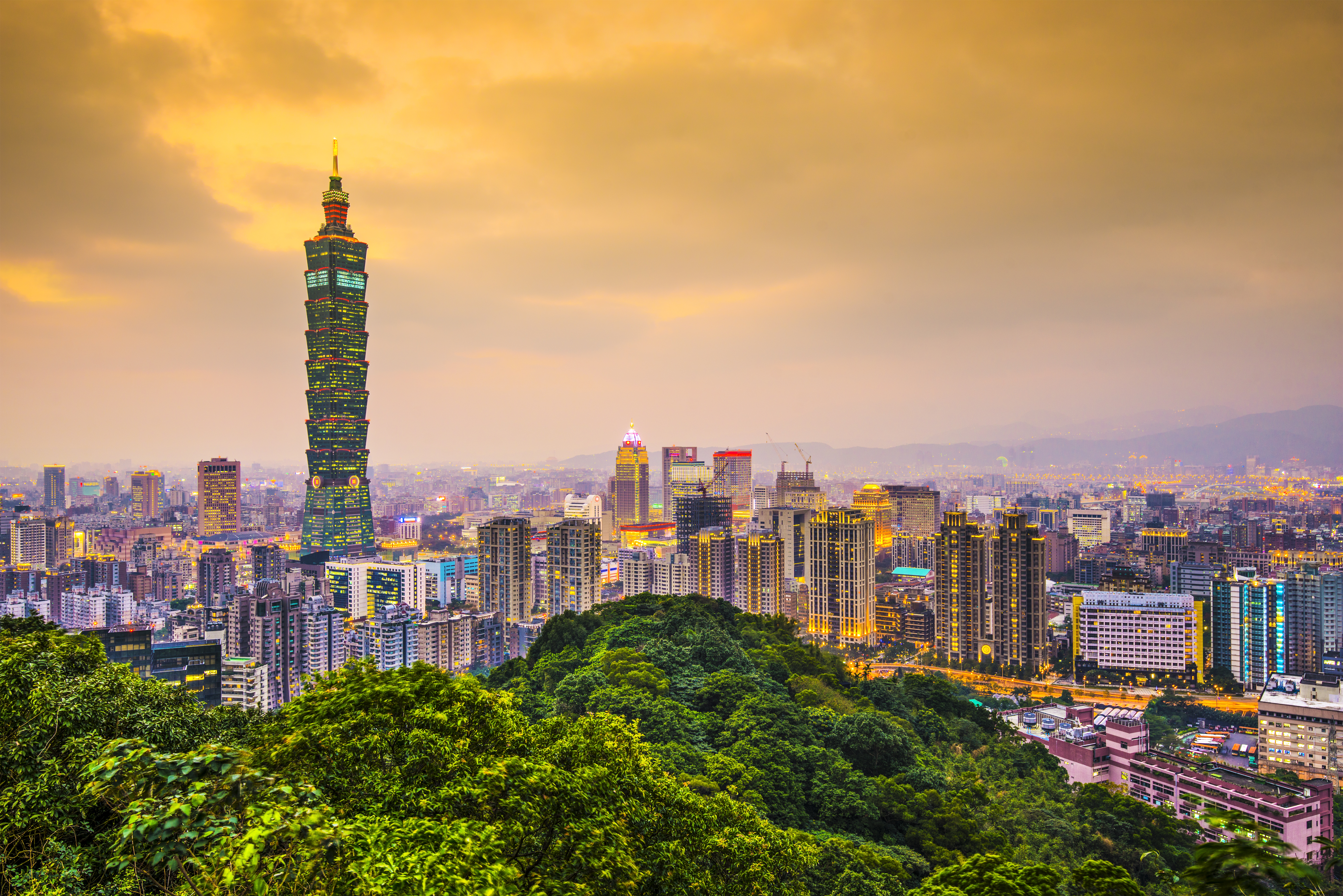
For decades, the security of Taiwan was measured in missiles, fighter jets, and the depth of the US Seventh Fleet. However, the theatre of conflict in the Taiwan Strait has shifted. The primary threat is no longer solely a kinetic cross-strait invasion, but a protracted 'grey zone' blockade designed to starve the island into submission. Taipei has recognised that a high-tech military is useless if the population lacks the caloric and caloric energy to sustain a defence. The current shift toward food and energy sovereignty represents the most significant evolution in Pacific deterrence in a generation.
The Current Situation
According to current reporting, the global landscape in mid-2026 is defined by a frantic drive for strategic autonomy. At the recent Global Business Week in Davos, leaders emphasised that national security now rests on independence in energy, food, and critical minerals. This is not isolated to the Pacific; India’s reliance on Russian oil, which reached an 11-month high of 38% in April 2026, and the UK’s debates over increasing defence spending by £15 billion annually demonstrate a world hardening its shells. In the Pacific, the precedent of Mischief Reef—where China transformed fisherman shelters into hardened military outposts—serves as a constant reminder that incremental territorial gains are irreversible. Against this backdrop, Taiwan is aggressively transitioning from a globalised 'just-in-time' economy to a 'just-in-case' fortress.
The Incentive of the Blockade
Why is Taipei pivoting now? The incentive for Beijing has always been to win without fighting a 'hot' war. A blockade is cheaper than an invasion. It tests US resolve without necessarily triggering a mutual defence pact. Historically, Taiwan imported over 95% of its energy and a vast majority of its food. In a blockade scenario, the clock starts ticking the moment the first shipping lanes are severed. By investing in offshore wind, geothermal projects, and distributed micro-grids, Taiwan is attempting to reset that clock. The goal is not total autarky—which is impossible—but extending the 'window of endurance' long enough to make a blockade an unprofitable investment for the mainland.
Historical Parallel: The Siege of Malta
The situation resembles the Siege of Malta during the Second World War. Malta was a British 'unsinkable aircraft carrier' in the Mediterranean, vital for disrupting Axis supply lines. The Axis strategy was not for an initial amphibious assault, but to starve the island into surrender by intercepting convoys (Operation Hercules). Malta survived only through desperate blockade-running and extreme rationing. Taipei has studied this. They understand that 'Fortress Taiwan' cannot just be a military designation; it must be a logistical reality. Unlike Malta, Taiwan’s modern economy requires electricity to function. Without a domestic power base, the 'silicon shield' of its semiconductor industry becomes a liability rather than an asset.
What Most People Miss: The Social Contract of Resilience
Most analysts focus on the hardware—the batteries and the grain silos. What they miss is the psychological transformation of the Taiwanese electorate. For years, the 'status quo' was a comfortable ambiguity. However, as global political volatility increases—evidenced by the rise of far-right movements in the West and shifting US domestic priorities regarding foreign aid and social spending—Taipei has realised it cannot outsource its survival. Food sovereignty is not just about calories; it is about social stability. If the price of rice triples because of a naval encirclement, the political pressure to capitulate becomes unbearable. Domestic production acts as a kinetic dampener on political panic.
Strategic Consequences
This shift redefines the cost-benefit analysis for Beijing. If Taiwan can survive for six months rather than six weeks, the international community has more time to organise a response, and the Chinese economy suffers longer from the resulting trade disruptions. Furthermore, the decentralisation of energy—moving away from massive, vulnerable LNG terminals toward distributed renewables—makes the island’s infrastructure harder to 'decapitate' with a single missile strike. We are seeing the 'Ukrainisation' of Taiwanese defence: a shift toward a 'porcupine' strategy that prioritises resilience and decentralised resistance over traditional fleet-on-fleet engagements.
What to Watch
- The expansion of the 'Strategic Reserve' law: Look for new mandates requiring three years of essential grain stocks and pharmaceutical precursors to be held on-island.
- Subsea Cable Redundancy: Rapid investment in domestic satellite links and additional subsea cables to prevent a digital blockade.
- Energy Micro-grids: The deployment of localised solar and wind hubs in industrial parks specifically designed to bypass the national grid in emergencies.
- Agricultural Subsidies: A move away from high-value export crops toward low-maintenance, high-calorie staples for domestic consumption.
KJ Verdict
Deterrence is often thought of as the power to destroy. In the 21st century, deterrence is increasingly the power to endure. By narrowing its vulnerabilities in food and energy, Taiwan is not seeking a conflict, but rather removing the easiest path to its defeat. This 'Island Bastion' strategy signals to the world—and to Beijing—that the cost of coercion is rising. The second-order effect will be a more assertive Taipei that is less prone to 'energy blackmail,' fundamentally altering the diplomatic leverage in the South China Sea. Resilience is the new vanguard of sovereignty.