KJ ReportsKJ Reports

The Geopolitical Significance of Afghanistan

22 September 20171,163

Listen to this article

KJ narrates this report in his own voice

The Geopolitical Significance of Afghanistan

Afghanistan is the world’s 42nd-largest country and has an area of 250,000 square miles.

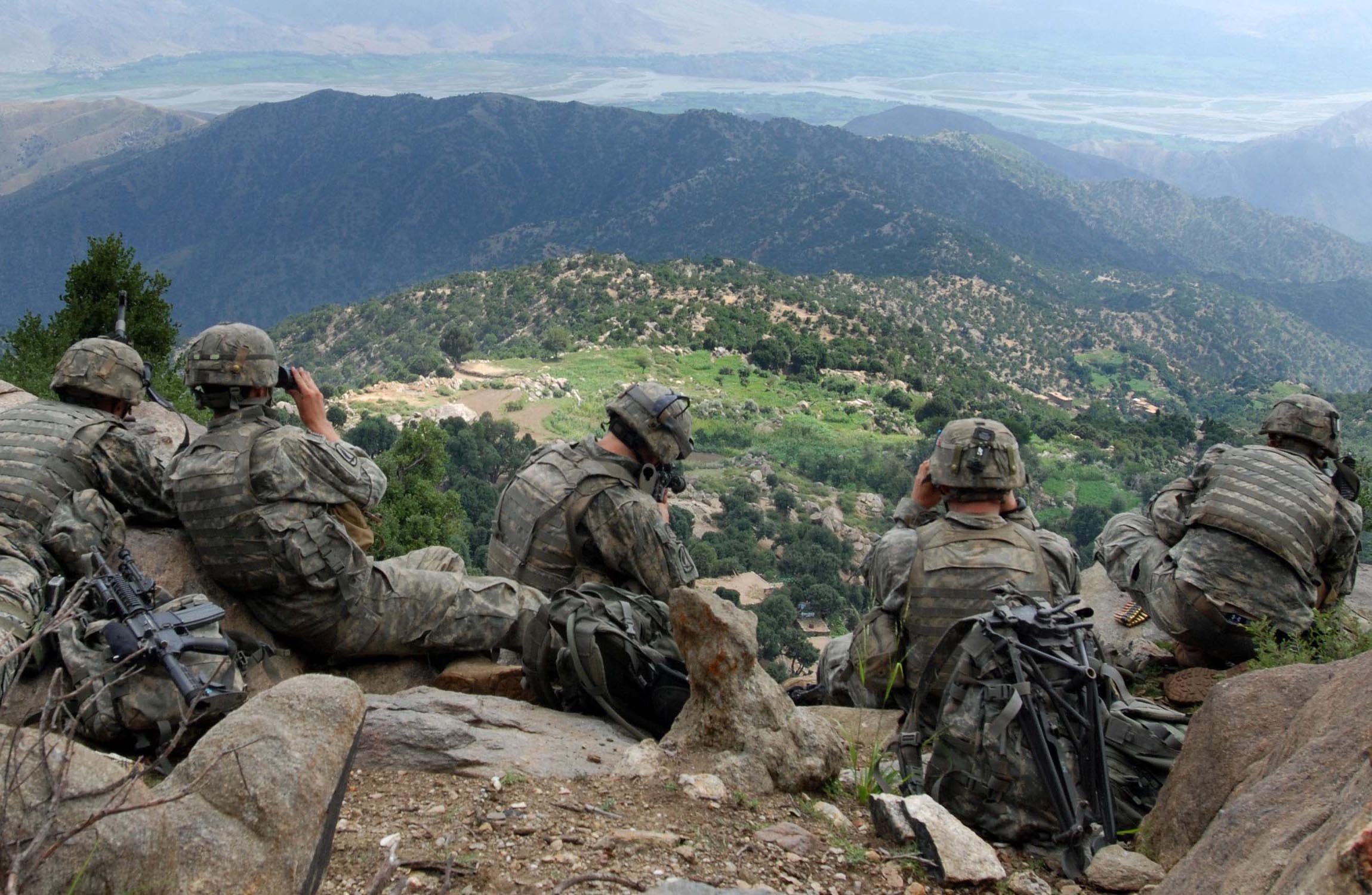
Throughout its history, Afghanistan has been subject to intervention by external powers.

Afghanistan is a land-locked region. It borders with China, Pakistan, Turkmenistan, Uzbekistan, Iran and Tajikistan.

The northern and southern portion of Afghanistan is divided by the massive Hindu Kush mountain ranges.

The Pamir Mountains to the northeast (the roof of the world) are the junction between Tajikistan, Afghanistan and China.

In the east, the passes in Suleiman mountain range like the famous Khyber Pass have provided access to the Indian subcontinent.

The country’s forbidding landscape of deserts and mountains has laid many imperial ambitions to rest.

As has the fierceless and tireless resistance of its peoples.

Additionally, Afghanistan is adjacent to Middle Eastern countries that are rich in oil and natural gas.

Having control of Afghanistan means having control of pipeline routes and energy resources.

Pipelines are important today in the same way that railway building was important in the 19th century.

They connect trading partners and influence the regional balance of power.

Afghanistan is a strategic piece of real estate in the geopolitical struggle for power and dominance in the region.

It plays a vital rule in efficiently connecting the regions and for this reason remains a geopolitical necessity for any great power.

#afghanistan#afghanistan-documentary#afghanistan-geography#afghanistan-geography-documentary#afghanistan-geopolitics#afghanistan-independence-day#afghanistan-war#geopolitics-of-afghanistan#the-geopolitical-significance-of-afghanistan#us-war-in-afghanistan-documentary#war-in-afghanistan#war-in-afghanistan-documentary#war-in-afghanistan-documentary-2017#war-in-afghanistan-explained#war-in-afghanistan-uk

Related Intelligence

More articles
The Bismarckian Pivot: India’s German Deep-Tech Realignment
South Asia

The Bismarckian Pivot: India’s German Deep-Tech Realignment

As New Delhi systematically decouples from its legacy Russian military dependency, a new strategic architecture is emerging. Berlin is no longer just a trading partner; it is becoming India’s primary engine for industrial sovereignty.

17 Jun 2026

The Islamabad Pivot: Trading Strategic Depth for Economic Survival
South Asia

The Islamabad Pivot: Trading Strategic Depth for Economic Survival

Pakistan is discarding decades of military doctrine to position itself as the vital gateway for Central Asian trade. As domestic pressures mount, Islamabad is prioritising economic rent and connectivity over traditional territorial security.

15 Jun 2026

The Ghost of Radcliffe: Why 1947 Still Governs 21st-Century Asia
History

The Ghost of Radcliffe: Why 1947 Still Governs 21st-Century Asia

Geographic partitions are not historical events; they are active geopolitical engines. In South Asia, a hasty retirement from Empire created a structural instability that ensures permanent mobilisation and restricts the rise of two nuclear powers.

15 Mar 2026

Pax Mongolica: The Hard-Power Blueprint for Global Integration
History

Pax Mongolica: The Hard-Power Blueprint for Global Integration

Modern globalisation is often framed as a Western invention. In reality, the 13th-century Mongol Empire established the first template for a borderless economy, proving that global trade requires a single, ruthless security guarantor to function.

15 Jan 2026

The Dollar Pact: Why Bretton Woods Never Actually Ended
History

The Dollar Pact: Why Bretton Woods Never Actually Ended

The 1944 Bretton Woods agreement is often treated as a historical relic. In reality, its core architecture remains the primary engine of American hegemony, weaponising global trade through a system of structural dependency that has no peer.

15 Oct 2025

The Liquid Front: Why South Asian Security Rests on Melting Ice
South Asia

The Liquid Front: Why South Asian Security Rests on Melting Ice

As domestic pressures and climate shifts accelerate, the Indus and Brahmaputra river basins are no longer mere sources of life, but strategic assets being weaponised in a zero-sum game between nuclear powers.

1 Oct 2025