The geopolitical architecture of the Middle East has undergone a seismic shift. While the world focused on the direct negotiations between Washington and Tehran, the true architect of the resulting stability was Beijing. China has moved from a passive consumer of security to an active guarantor of the status quo. This is not merely a diplomatic victory; it is a strategic checkmate against Western maritime primacy.
Current Situation
According to current reporting from Newsweek and Modern Diplomacy, China has positioned itself as a pivotal stakeholder in the wake of the latest US-Iran agreement. Beijing’s reaction to the deal carries immense weight because of its status as Iran’s primary economic lifeline and its increasing leverage over Washington’s regional calculations. Reports indicate that China seeks to counterbalance American influence by favouring a negotiated framework that intentionally limits US unilateralism in the Gulf. Beijing is essentially acting as the structural weight that keeps the agreement from collapsing, leveraging its role as a key diplomatic partner to both sides to ensure its own strategic interests are prioritised. This involvement is driven by a desire to see a Middle East that is stable enough to ensure energy flows but sufficiently autonomous to reject exclusive American hegemony.
The Core Incentive: Energy and Encirclement
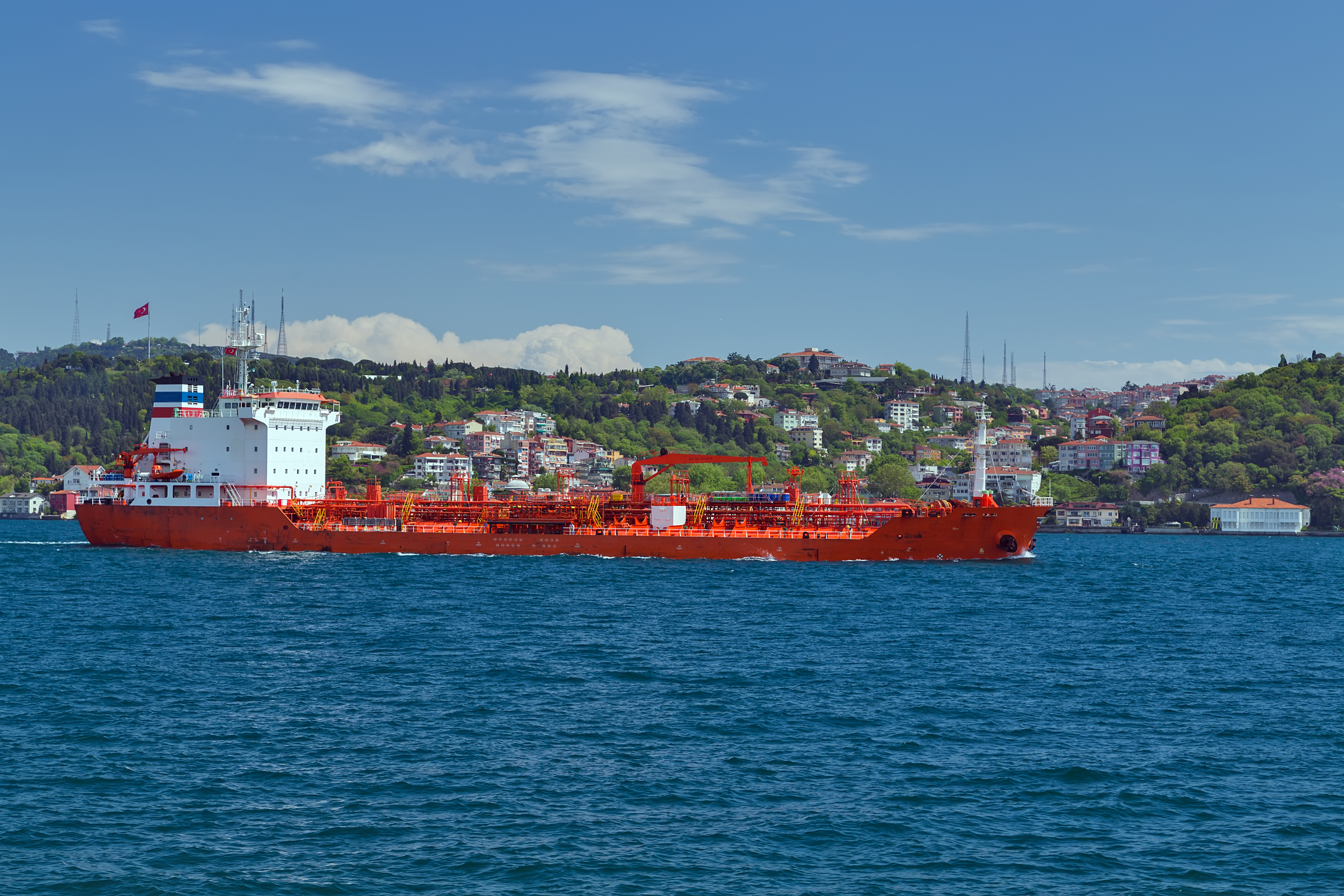
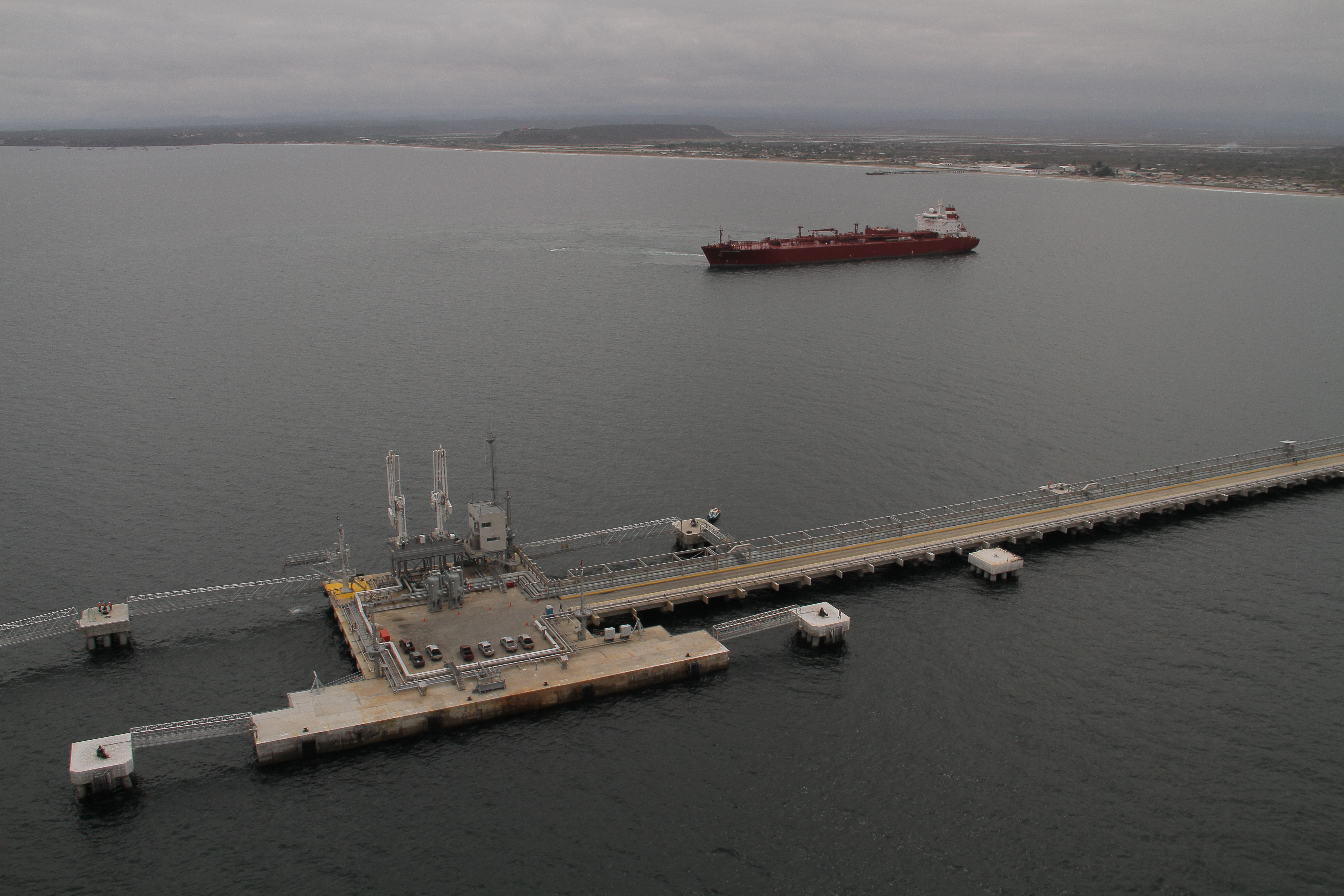
To understand why Beijing brokered this accord, one must look at a map. China is the world's largest importer of crude oil. Nearly half of its supply passes through the Strait of Hormuz. For decades, China relied on the US Fifth Fleet to keep these waters open. This created a strategic vulnerability: the United States provided the security, meaning the United States could also take it away. In a conflict over Taiwan or the South China Sea, the US could theoretically sever China’s energy windpipe in the Persian Gulf.
By mediating the US-Iran accord, China has effectively 'outsourced' its security concerns to a diplomatic framework it controls. If Tehran and Washington are talking, the risk of a kinetic conflict that closes the Strait of Hormuz evaporates. Beijing has secured its energy supply without firing a shot or building a single carrier strike group in the Indian Ocean. It has turned a maritime vulnerability into a diplomatic leverage point.
The Second-Order Effect: Neutralising the Fifth Fleet
For eighty years, the US Navy has been the primary arbiter of Gulf security. This presence allowed Washington to dictate the terms of regional trade and political alignment. China’s entry as a mediator changes the 'why' of the US presence. If Beijing is the guarantor of the peace, the huge American naval footprint begins to look less like a necessary shield and more like an expensive legacy project.
The second-order effect is the erosion of the 'American Security Umbrella' as a selling point to Gulf monarchies. If Riyadh and Abu Dhabi see that Beijing can restrain Tehran more effectively than Washington can deter it, the incentive to host American bases diminishes. We are witnessing the transition from a 'Pax Americana' to a 'Stabilitas Sinica' in the world’s most critical energy corridor.
A Historical Parallel: The 1904 Entente Cordiale
History suggests that when a rising power mediates between two historical rivals, it does so to free its hands for a larger theatre. In 1904, the Entente Cordiale between Britain and France was not born of sudden friendship, but of a mutual fear of a rising Germany. Britain mediated French colonial interests to ensure it wasn't fighting on two fronts.
Today, China is the mediator. By cooling the temperature in the Middle East, Beijing ensures that the United States cannot use a 'Middle East crisis' to distract from the Indo-Pacific. Simultaneously, it prevents Iran from becoming a runaway liability that could force China into a war it doesn't want. Beijing is tidying its backyard so it can focus entirely on the Pacific front.
What Most People Miss: The Technology of Trust
Most analysts focus on the diplomatic cables, but they miss the underlying infrastructure. China isn't just offering 'good offices'; it is offering a parallel financial and technological ecosystem. The US-Iran deal is facilitated by the fact that China can provide Tehran with non-dollar clearing systems (CIPS) and surveillance technology that ensures internal stability.
What is missed is that this accord makes Iran a laboratory for 'de-dollarised' diplomacy. If China can prove that a major oil-producing nation can settle its disputes and conduct its trade outside the SWIFT system and without US oversight, the blueprint for a post-Western financial order is complete. The deal isn't just about centrifuges or sanctions; it is about the proof-of-concept for a world where Washington’s permission is no longer required.
Strategic Consequences
The consequences are structural. First, the 'Petroyuan' moves from a theoretical threat to a functional reality. As Iran integrates further into Beijing’s orbit under the protection of this accord, its oil will increasingly be priced in Renminbi. Second, the regional balance of power shifts toward the littoral. The Arab states, seeing the US-Iran rapprochement mediated by China, will feel compelled to deepen their own ties with Beijing to avoid being left behind.
Third, and most critically, this limits the US Navy’s freedom of action. In a world where Beijing is the peacekeeper, any aggressive American naval posture in the Gulf will be framed not as 'protecting trade,' but as 'disrupting the Beijing Buffer.' China has successfully captured the moral and strategic high ground of 'stability.'
What to Watch
- The Expansion of CIPS: Watch for Iranian banks fully integrating into China's Cross-Border Interbank Payment System, bypassing the need for Western financial intermediaries.
- Naval Exercises: Look for joint China-Iran-Russia naval drills in the Gulf of Oman; these will transition from 'symbolic' to 'operational' security patrols.
- The Saudi Pivot: Monitor whether Riyadh requests a Chinese security guarantee for its infra-projects, matching the diplomatic weight Beijing has shown in the Iran deal.
KJ Verdict
The US-Iran accord is often framed as a failure of American resolve or a win for Iranian persistence. Both are incomplete. It is a calculated Chinese masterstroke. By removing the immediate threat of war in the Gulf, Beijing has secured its energy lifelines, weakened the rationale for a permanent US naval presence, and demonstrated that it is the only power capable of managing the world’s most volatile rivalries. The West is still playing the game of sanctions and deterrence; China is building the board. Maritime primacy was always about control of the sea lanes. Beijing has realised it is cheaper to control the players at both ends of the lane than to patrol the water in between.