South Africans target xenophobic attacks on Nigerians
In the past week, South Africans have let there anger be known on the streets as at least five people were killed and 189 arrested during xenophobic attacks and looting in Johannesburg, Pretoria and elsewhere. The fallout from the outbreak of looting and violence that began on Sunday has been swift. Foreign nationals from countries including Zambia, Kenya, Ethiopia and Nigeria were targeted. Since then Nigeria has pulled out of the World Economic Forum conference happening this week in Cape Town and plans to recall its ambassador, the country’s foreign minister said Wednesday. The attacks have sparked a period of uncertainty as it has provided a basis for the rise of tensions between the 2 nations, that are the 2 largest economies in Africa. South African President Cyril Ramaphosa warned Tuesday that the spate of attacks could trigger violence against its citizens abroad. “The attacks on people who run businesses from foreign nationals is totally unacceptable,” Ramaphosa said. “There can be no justification whatsoever about what people are having a grievance over that they should go out and attack people from other countries because when they do so here, they should also know that fellow South Africans will be attacked in other countries,” the President said. However, it appears this apology will not be enough to resolve the issues that have arisen in the past weeks.
Nigerians attack South African businesses in retaliation
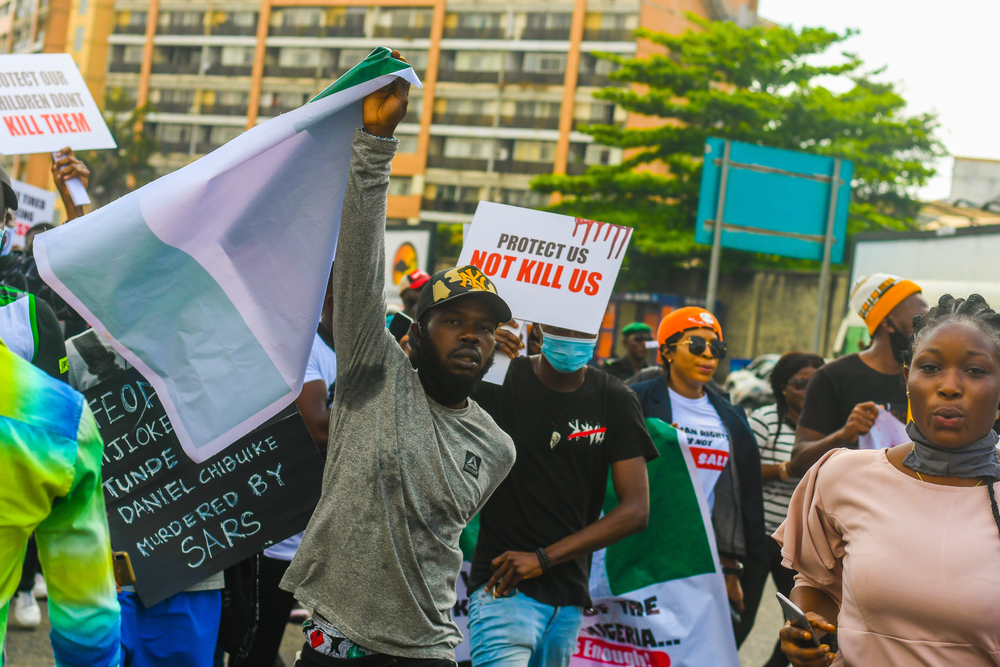
In what has fulfilled the worries of unrest caused by the xenophobic attacks, South African-owned businesses operating in Nigeria are being targeted with violence in retaliation for xenophobic attacks carried out against Africans working in South Africa. Amid a growing outcry about the attacks on many Nigerians living in South Africa, youths took to the streets Tuesday evening in some Nigerian cities to attack South African owned businesses. The offices of South Africa telecommunications giant MTN in the southwest city of Ibadan were set ablaze Tuesday while the company’s office in Uyo in the southeast was attacked by an angry crowd that vandalized properties, according to local newspaper reports. Furthermore, it appears geopolitical tensions have appeared between Nigeria and South Africa as the Nigerian government has indicated that it will take a tougher stance against South Africa if the current attacks on its citizens continued. The Nigerian government said it had drawn what it called ‘a red line’ with South Africa over the xenophobic attacks on Nigerians in the country. Onyeama spoke to journalists after meeting with the president. Buhari in Abuja also confirmed that Nigeria would recall her ambassador to South Africa over the matter for a briefing. “What is happening in South Africa is totally unacceptable. We will not accept it. Enough is enough, we’re going to have to address it once and for all,” he said. It is clear that the latest events have had a negative and possibly irreversible impact on Nigerian-South African relations.
Boko Haram’s involvement would lead to war
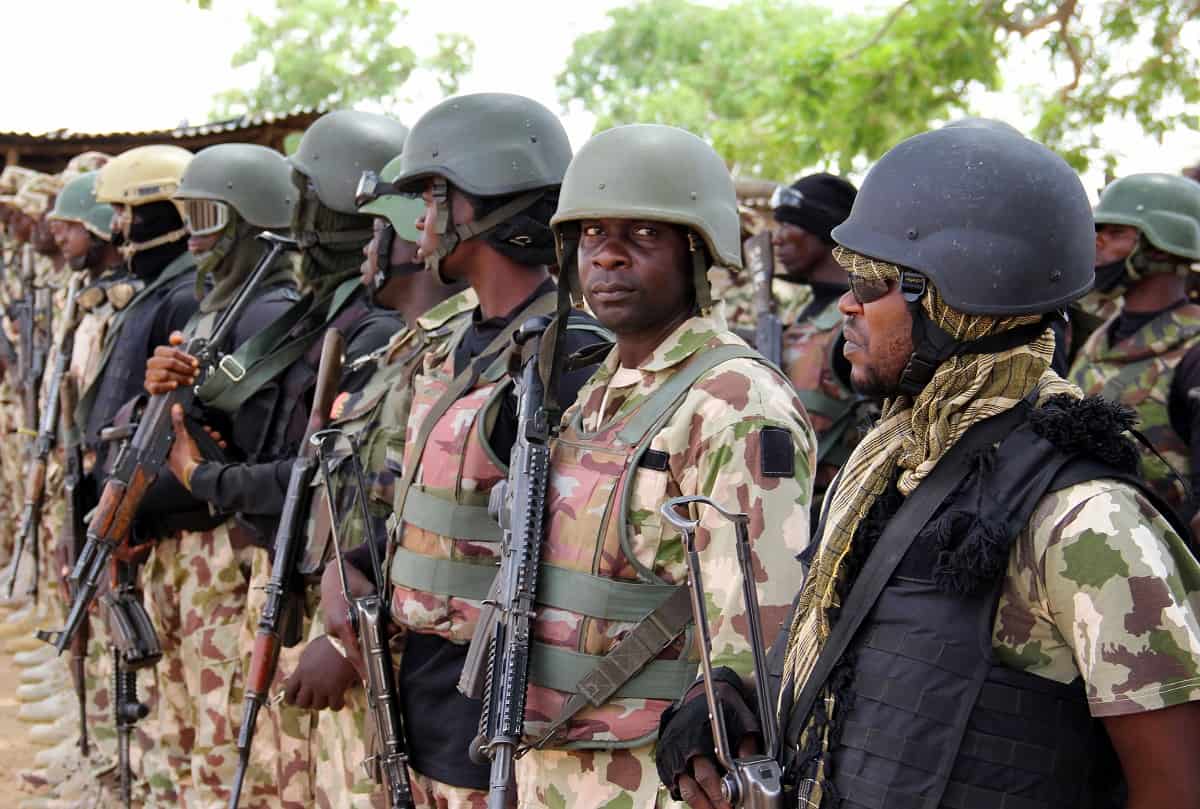
In another threat to the safety of the continent, it appears some Nigerians are calling on Boko Haram to take revenge on South Africa, and they have reportedly been observing the situation. As the situation intensifies between foreign nationals and locals in most parts of Gauteng, Nigerians have launched a revolt against what is being termed as xenophobic attacks, and are calling on the infamous terrorist group, Boko Haram, to “unleash revenge in South Africa.” Furthermore, the National Association of Nigerian Students (NANS) called for the South African government to either get a hold of the situation that’s been taking place in Gauteng or deal with the consequence of more than 120 South African companies in Nigeria being forced to close up shop. While the Nigerian government has not given any violent signals yet, the threat of way may appear to come from Boko Haram, as their involvement would be lethal.