Kyrgyzstan’s Rocky Road with China: 5 Geopolitical Effects You Need to Know

Hazem Zahab8 August 2019948

Listen to this article

KJ narrates this report in his own voice

Kyrgyzstan’s Rocky Road with China: 5 Geopolitical Effects You Need to Know

1. China-Kyrgyzstan ties strengthening

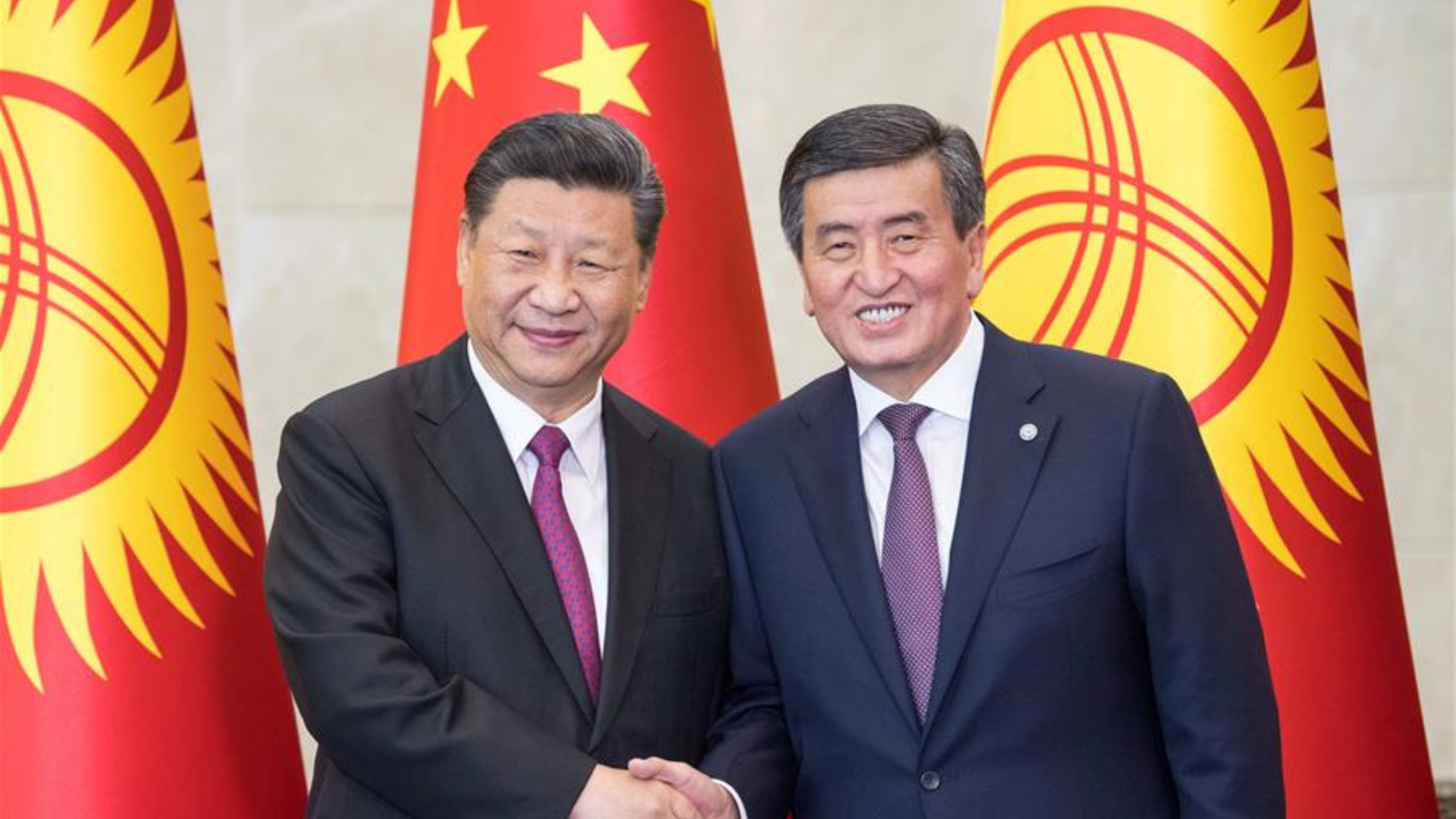
Last month, Chinese President Xi Jinping visited Kyrgyzstan to open a new historical page of bilateral relations and bilateral cooperation which will enter a new era according to Chinese Ambassador to Kyrgyzstan, Du Dewen. In an interview with Slovo Kyrgyzstan newspaper, the ambassador said that China-Kyrgyzstan relations are experiencing the best period ever. “I am sure that the joint construction of the Belt and Road will be a driving force of Chinese-Kyrgyz cooperation,” she said, stressing that Kyrgyzstan is one of the first countries that supported the BRI and joined its implementation, adding, “In recent years, thanks to the joint construction of Belt and Road, the scope of practical cooperation between our countries is expanding, and the number of joint projects being implemented is increasing, which greatly contributes to improving the Kyrgyz people’s quality of life and the level of development of Kyrgyzstan as a whole.” It is clear that the general trend of China-Kyrgyzstan relations is in an upward trend.

2. Clash could cloud progress

However, a recent violent event between Kyrgyzstan and Chinese miners could slow this progress down, as Dozens of people have been injured in clashes between local residents and workers from a Chinese company at a gold mine in eastern Kyrgyzstan. About 500 local residents gathered near the mine on August 5 and entered the construction site of a new industrial facility operated by China’s Zhong Ji Mining, where they brawled with Chinese workers and seized several trucks belonging to the company. This act of aggression will definitely not sit well with the Chinese government, and they will expect swift action to be taken by Kyrgyzstan to make up for it.

3. China does not hold back

China has responded to the clash involving Chinese miners, by releasing a statement saying villagers “illegally invaded the territory of the Chinese company and assaulted employees, as a result of which dozens of Chinese citizens were injured,” The Chinese account of the fracas is a far cry from the one provided by the Interior Ministry, which has framed the conflict as a two-sided affair. This uncompromising response from China shows that the Kyrgyzstan government will have to accept China’s version of the story, as they have leverage over them, and need the economic cooperation to continue.

4. Common goal helping unite China and Kyrgyzstan

Another uniting goal of the two nations is their fight against terrorism, with the China-Kyrgyzstan “Cooperation-2019” joint counter-terrorism exercise being launched Tuesday at a training base in northwest China’s Xinjiang Uygur Autonomous Region. Aiming to deepen security cooperation between the two countries and enhance the counter-terrorism capability of the armed forces, the exercise does not target any third party. Some 150 personnel from the Chinese People’s Armed Police Force and the National Guard of Kyrgyzstan will engage in counter-terrorism trainings including joint command, basic technical training, cooperative tactical training and integrated countermeasure training. The “Cooperation-2019” exercise is the first joint exercise conducted by similar forces of the two countries, and a signal of the strengthening geopolitical and military ties between the two countries.

5. Kyrgyzstan internal issues

Despite strengthening ties with China, the Kyrgystani government will first have to deal with its internal political issues, before it can think about the former. Special forces in the Central Asian nation of Kyrgyzstan on Wednesday raided the residence of the former president, who faces corruption and abuse-of-office charges, in an operation that injured about a dozen people, officials said. The national security committee denied reports that the supporters had seized some of the forces when the first raid failed. Kyrgyzstan’s parliament in June rescinded the immunity that Atambayev had been accorded as a former president, opening him to potential prosecution. Since then, supporters have kept watch outside his residence, expecting an attempt to arrest him. He is accused of a range of crimes, including corruption and the expropriation of property. This political instability will certainly not give a positive image to China, and if not resolved soon could hurt the two nations’ cooperation.

#central-asia#china#east-asia#kyrgyzstan

Related Intelligence

More articles
Iran looms large in Central Asia despite sanctions and Saudi financial muscle
Central Asia

Iran looms large in Central Asia despite sanctions and Saudi financial muscle

Iran looms large in Central Asia despite sanctions and Saudi financial muscle Saudi Arabia may have been getting more than it bargained for when authorities in Khujand, Tajikistan’s second largest city, ordered that the city’s largest and most popular mosque be converted into a cinema. The order followed the closure of some 2,000 mosques in the country in the last three years and the arrest last month of scores of Muslim clerics and teachers, many of whom were accused of being members of the Muslim Brotherhood, a group that is banned in both Tajikistan and the kingdom. Fewer men sport beards in Tajikistan after being harassed by police, while women in hijabs are far and few between after many were detained and intimidated. Imams deliver sermons praising President Emomali Rahmon that are approved by authorities, reinforcing his effort to cloak himself in Islamic legitimacy despite the crackdown. Larger mosques are equipped with surveillance cameras to ensure prayer leaders stick to their texts. The arrests no doubt will have pleased Saudi leaders who stepped in to help Tajikistan financially in 2015 as the country’s relationship with Iran soured over Iranian demands that Tajikistan pay down its huge debt, allegations that a businessman charged with fraud in the Islamic republic had deposited large sums of money in the National Bank of Tajikistan, and a meeting between Iranian spiritual leader Ayatollah Ali Khamenei and a Tajik opposition leader. As relations with Saudi Arabia improved and Saudi Arabia pledged to pump money into infrastructure projects like the Rogun hydroelectric power plant and a highway in eastern Tajikistan as well as education, Tajikistan accused Iran of involvement in the murder of Tajik social and political figures as well as 20 Russian military officers during the 1990s Tajik civil war, which Iran helped bring to an end. Tajik authorities also closed down an Iranian trade and cultural center in Khujand and helped block Iran’s application to become a member of the China-led Shanghai Cooperation Organization (SCO). Iran is an observer at the SCO. Developments in Tajikistan, however, no longer look all that good from a Saudi perspective and bode ill for the kingdom elsewhere in Central Asia. In fact, the more than four years of strained relations between Tajikistan and Iran have made way for quickly warming ties. Driving the patching up of differences is the fact that landlocked Tajikistan, like its neighbour, Uzbekistan, needs access to ports and Iranian ports, including the Indian-backed one in Chabahar at the top of the Arabian Sea, offer the cheapest and shortest transportation options. Iran’s attractiveness to Central Asian nations increases the Islamic republic’s importance to the Belt and Road, China’s infrastructure, transportation and energy-driven initiative to connect the Eurasian landmass to Beijing. There is an element of irony in the Saudi-backed crackdown on mosques and clerics in Tajikistan. That was long the preserve of Uzbek president Islam Karimov, whose state security services tightly controlled religion under the guise of combating Islamic extremism, until his death in 2016. Mr. Karimov’s successor, Shavkat Mirziyoev, has promised to reverse his predecessor’s repressive policies and put his government "at the service" of the Uzbek people. Mr. Mirziyoev’s reforms included emasculating the security service's Religious Committee, by ending its oversight of all religious education, publications, and gatherings, and sacking its supervisor, Aydarbek Tulepov, without replacing him. Subscribe to read the full article We wish we didn't have to do this, but only paid subscribers can read the full article, Unlike other publishers, we are not the beneficiaries of State funds and are entirely dependent on our supporters to keep KJ Vids functioning. Please subscribe to read the rest of the article. The First 1,000 subscribers will receive a 50% lifetime discount to our content. - Access over 500 videos explaining global politics - Full access to all articles - Vote on future video topics - Secure Questions for Video Q&As Sign Up - https://www.kjreports.com/product/lifetimediscount/

5 Mar 2020

The US has put its money on Kazakhstan: 5 Geopolitical Effects You Need to Know
Central Asia

The US has put its money on Kazakhstan: 5 Geopolitical Effects You Need to Know

1. The US and Kazakhstan’s growing trade partnership The US and Kazakhstan have had a boost of trade cooperation in recent years as confirmed by a report of a recent meeting between US and Kazakh representatives. “The USA is one of the largest investors in the economy of Kazakhstan. Between 2005 and 2018, the gross inflow of direct investment from the United States to Kazakhstan amounted to $40 billion. Last year, the US investment in Kazakhstan set a new absolute record, reaching $5.3 billion. In January-June 2019, trade between the two countries amounted to $1.1 billion, which is 31.8 per cent higher than in the same period last year,” the statement said. This shows the widening possibilities of growth of bilateral relations as both countries are reaping the benefits of trade cooperation. 2. The US investing in Kazakh economy The US has placed its trust on the stability of the growth of the Kazakh economy and its increasing opportunities, and is hence investing a lot of money, as shown by the figures in point 1. The influx of US investment in the Kazakh economy increased by 44.7% and set a new absolute record, reaching a level of $ 5.3 billion in 2018, the head of the Kazakh Cabinet of Ministers, Askar Mamin, said on 23 July. This shows the extent of the US’s investment in the nation, being higher than ever, showing that Kazakhstan has become an economic beacon in the region for the US. Subscribe to unlock the other 3 Points We wish we didn't have to do this, but only paid subscribers can read the full article, Unlike other publishers, we are not the beneficiaries of State funds and are entirely dependent on our supporters to keep KJ Vids functioning. Please subscribe to read the rest of the article. The First 1,000 subscribers will receive a 50% lifetime discount to our content. - Access over 500 videos explaining global politics - Full access to all articles - Vote on future video topics - Secure Questions for Video Q&As Sign Up - https://www.kjreports.com/product/lifetimediscount/

21 Aug 2019

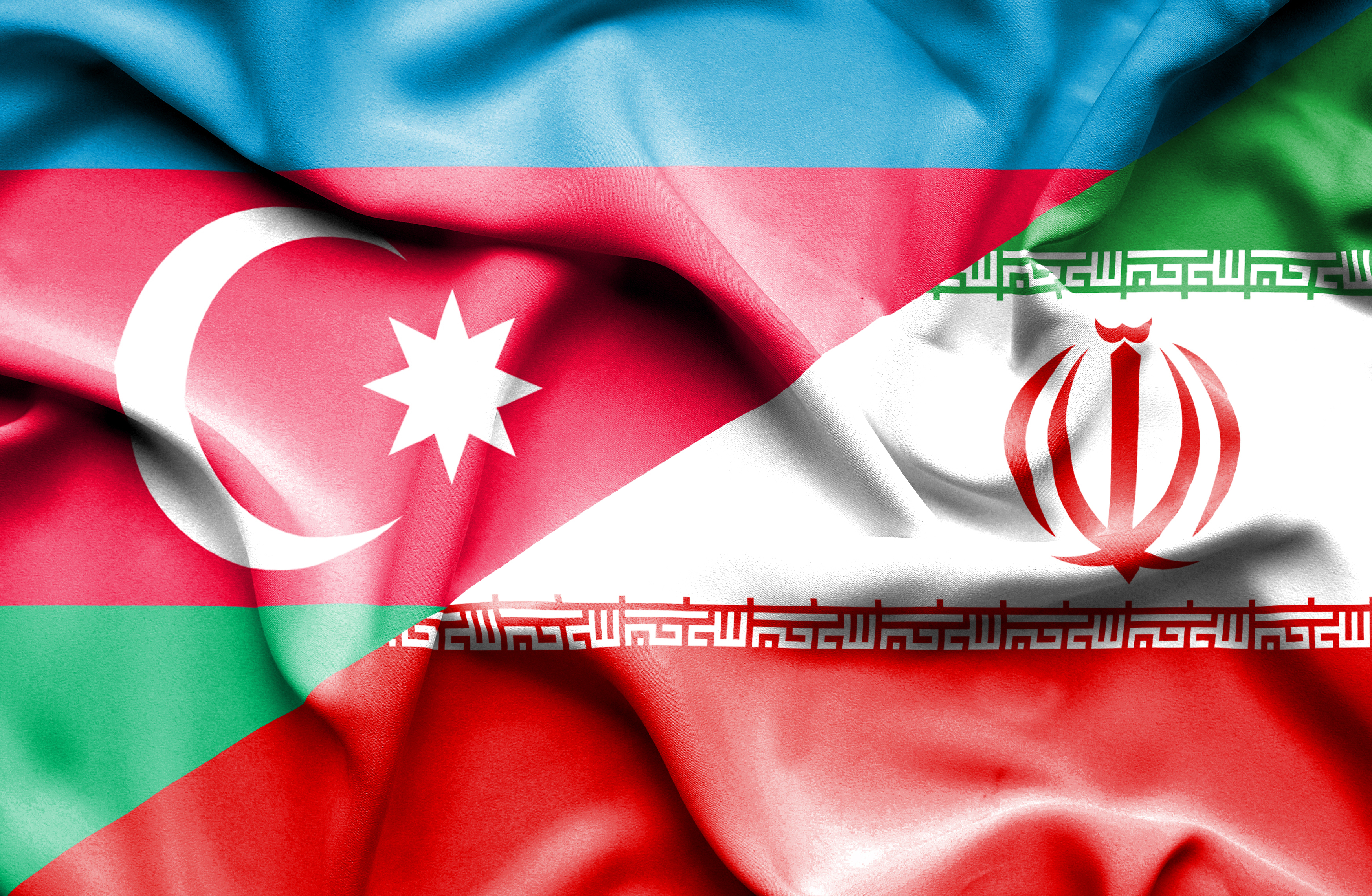
Iran-Azerbaijan Relations: 5 Geopolitical Effects You Need to Know
Azerbaijan

Iran-Azerbaijan Relations: 5 Geopolitical Effects You Need to Know

1. Re-opening of Iran-Azerbaijan ties In early 2019, Mohammad Bagheri, Iran’s Chief of General Staff of the armed forces began his two-day visit to Baku and met with the president of Azerbaijan. This was the first time since Azerbaijani independence that the highest military leaders of Iran visited the country, which signifies a new era of strengthening ties between the nations. In the meeting, the 2 countries agreed to expand bilateral relations, further strengthen their military and security cooperation, increase trade, and work mutually on the completion of the North-South Corridor, which aims to expand regional trade by ship, rail, and road. The cooperation between both nation in all those areas have proceeded as agreed, and have now grown to a high level. 2. Significant rise of trade in 2019 Since the re-opening of relations at the beginning of 2019, Trade between Iran and Azerbaijan has grown by 2.2 times, according to Tehran Times Daily, as Iran and Azerbaijan have made investments in many areas, and Iran’s Minister of Finance and Economic Affairs Farhad Dejpasand confirmed that the trade between the 2 nations will grow further in the near future. “The number of Iranian companies active in Azerbaijan has also grown by more than 34 per cent in the past six months,” Dejpasand said. The economic relationship between the 2 nations has been the largest area of expansion. Subscribe to unlock the other 3 Points We wish we didn't have to do this, but only paid subscribers can read the full article, Unlike other publishers, we are not the beneficiaries of State funds and are entirely dependent on our supporters to keep KJ Vids functioning. Please subscribe to read the rest of the article. 3. Will Azerbaijan join the anti-Iran coalition? 4. Joint regional projects to strengthen ties further 5. Azerbaijan rescues crew from Iranian ship By investing in KJ Vids, you are investing in yourself Our content succinctly contextualises the key geopolitical trends you need to know in order to make sense of world events. We can assure you that a regular dose of our content will be as healthy as fruit and vegetables for your mind. Subscribe for only £10 a month.

4 Aug 2019

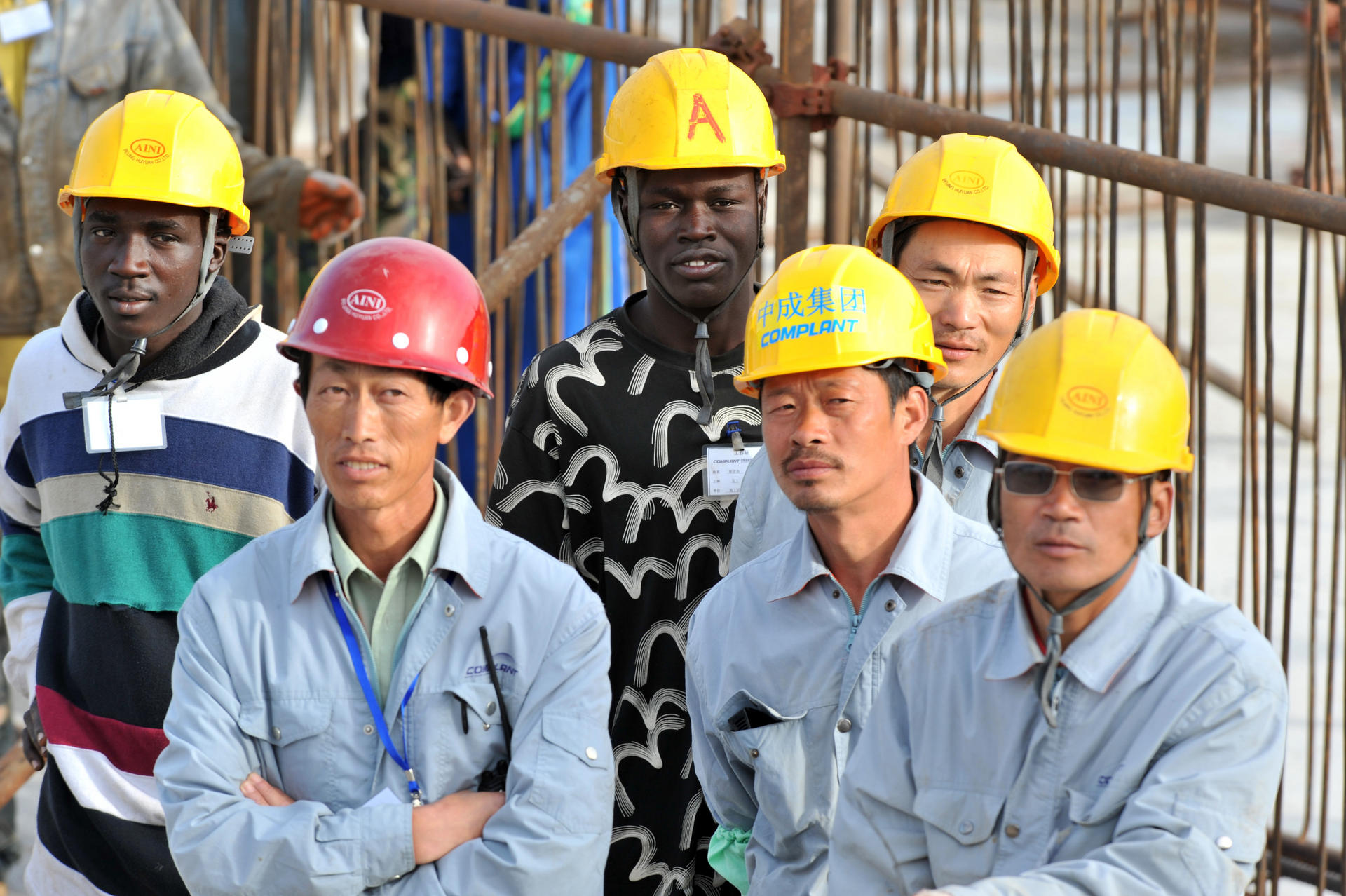
Is China colonising Africa?
Africa

Is China colonising Africa?

24 Sept 2018

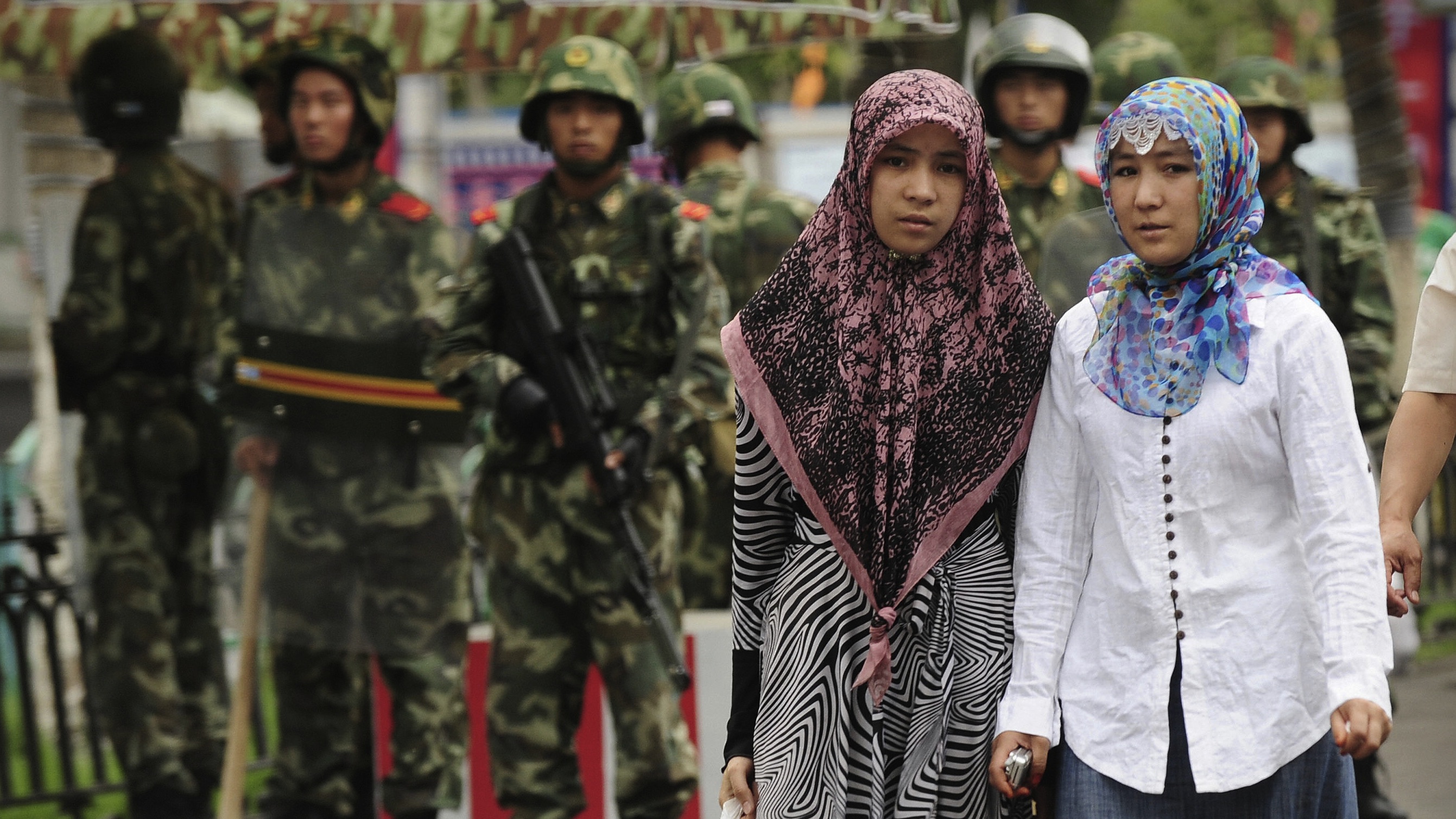
Why are Uyghur Muslims in China being oppressed?
Central Asia

Why are Uyghur Muslims in China being oppressed?

22 Jun 2018

Why has Saudi Arabia established a mission to Palestine in Jerusalem?
Israel

Why has Saudi Arabia established a mission to Palestine in Jerusalem?

15 Aug 2023