KJ ReportsKJ Reports

Indian Partition in Pictures

16 August 20171,643

Listen to this article

KJ narrates this report in his own voice
Indian Partition in Pictures
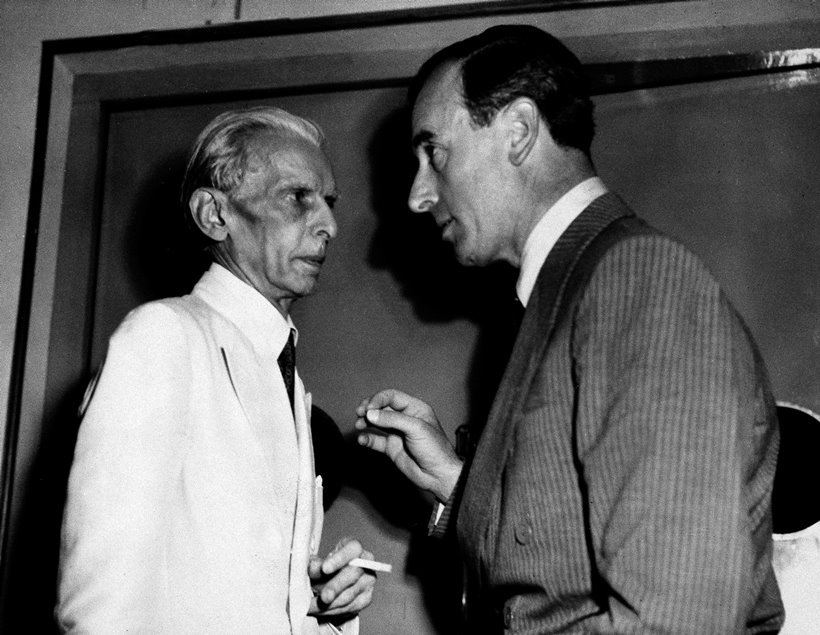
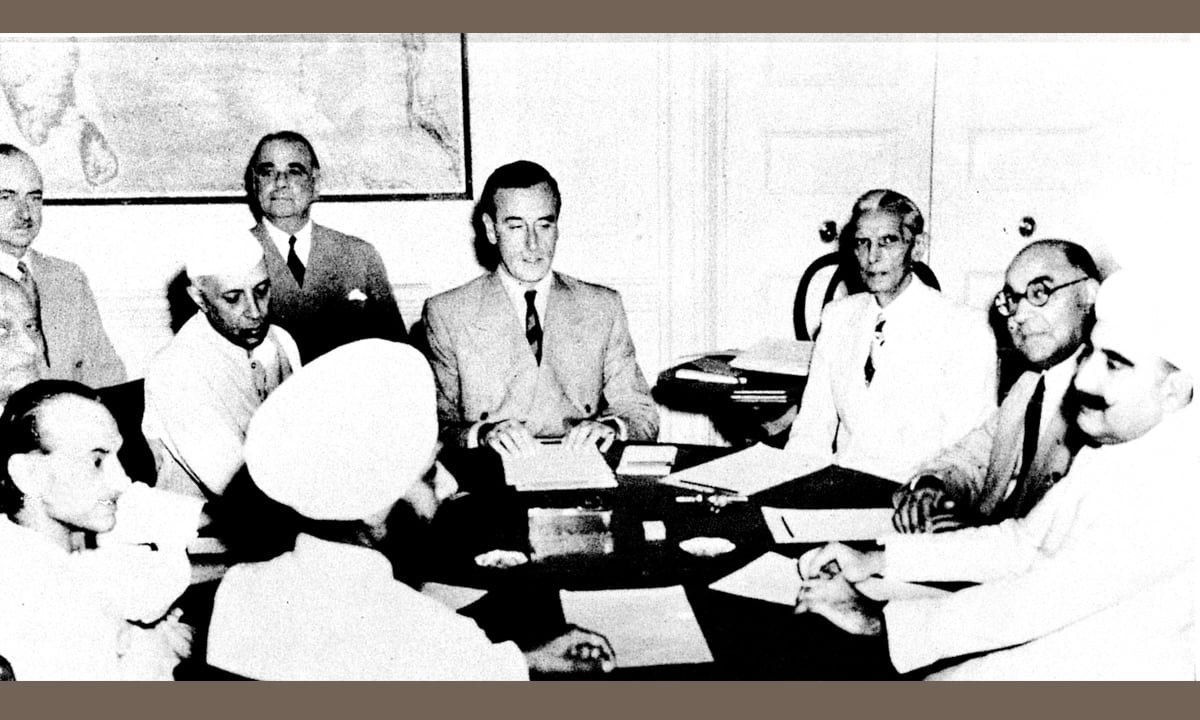
FILE- In this June 10, 1947 file photo, Viceroy of India Lord Louis Mountbatten, right, speaks with Muslim League leader Muhammed Ali Jinnah during conferences on India’s division in New Delhi. Jinnah appealed to Indians to carry out peacefully the British plan for dividing the country. The Muslim League formally adopted the plan on the night of June 9. As the 70th anniversary of India-Pakistan Partition comes up next week, relations between the two nations are as broken as ever. In some ways, their violent birth pangs dictated their future course through suspicion and animosity. (AP Photo/Max Desfor, File)
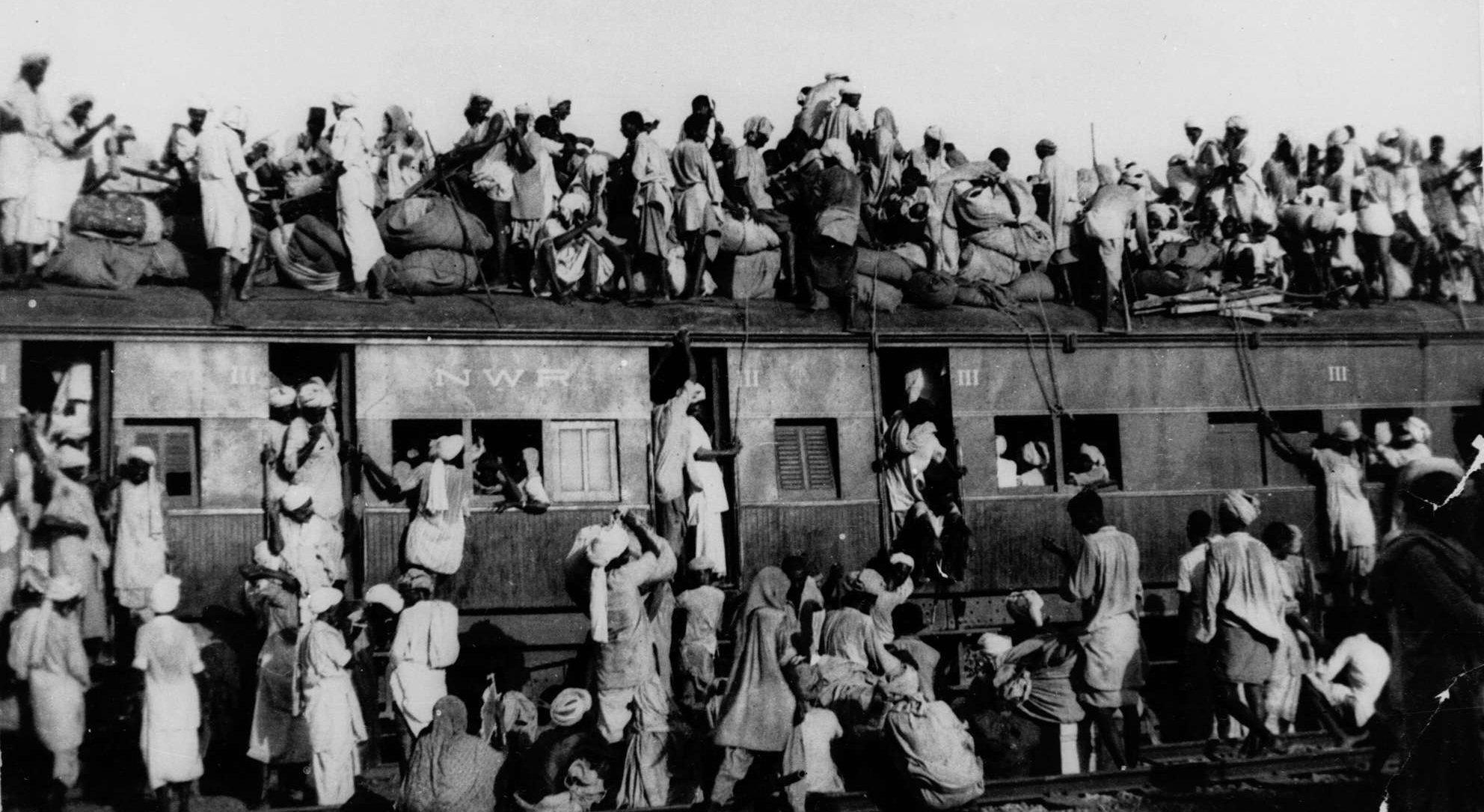
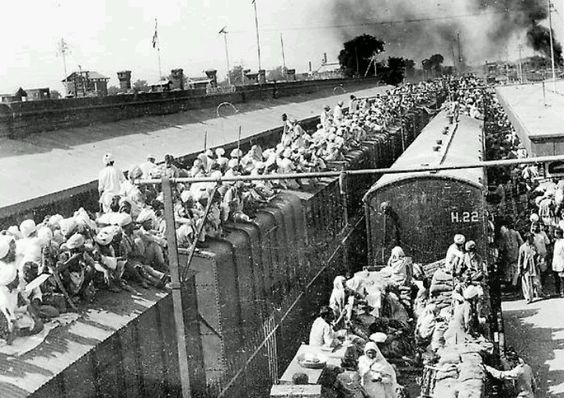
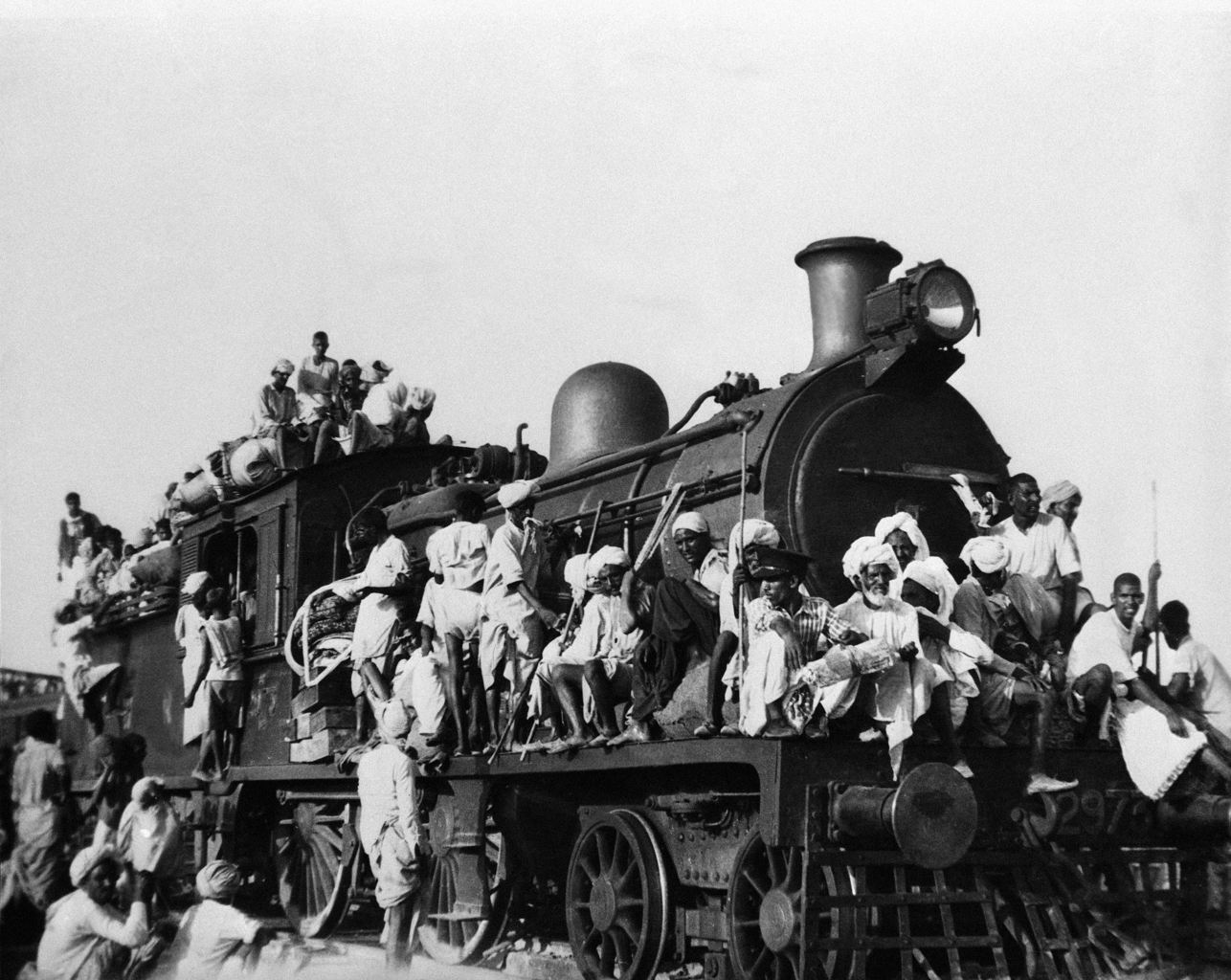
Muslim refugees crowd atop a train leaving New Delhi for Pakistan in September 1947.
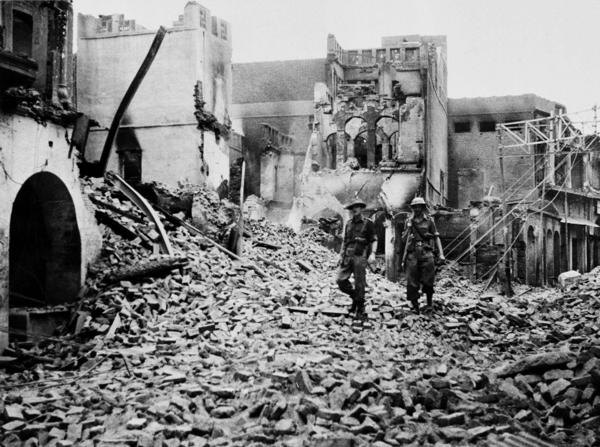
British Maj. T.J. Monaghan, left, and Pvt. H. Farabrother of the Inniskilling Regiment of Northern Ireland, walk through wreckage after riots destroyed parts of the Punjab suburb of Amritsar, India, March 18, 1947.


#india-1947#indian-partition#indian-partition-1947#pakistan-mass-migration#pakistan-india-partition

Related Intelligence

More articles
The Bismarckian Pivot: India’s German Deep-Tech Realignment
South Asia

The Bismarckian Pivot: India’s German Deep-Tech Realignment

As New Delhi systematically decouples from its legacy Russian military dependency, a new strategic architecture is emerging. Berlin is no longer just a trading partner; it is becoming India’s primary engine for industrial sovereignty.

17 Jun 2026

The Islamabad Pivot: Trading Strategic Depth for Economic Survival
South Asia

The Islamabad Pivot: Trading Strategic Depth for Economic Survival

Pakistan is discarding decades of military doctrine to position itself as the vital gateway for Central Asian trade. As domestic pressures mount, Islamabad is prioritising economic rent and connectivity over traditional territorial security.

15 Jun 2026

The Ghost of Radcliffe: Why 1947 Still Governs 21st-Century Asia
History

The Ghost of Radcliffe: Why 1947 Still Governs 21st-Century Asia

Geographic partitions are not historical events; they are active geopolitical engines. In South Asia, a hasty retirement from Empire created a structural instability that ensures permanent mobilisation and restricts the rise of two nuclear powers.

15 Mar 2026

Pax Mongolica: The Hard-Power Blueprint for Global Integration
History

Pax Mongolica: The Hard-Power Blueprint for Global Integration

Modern globalisation is often framed as a Western invention. In reality, the 13th-century Mongol Empire established the first template for a borderless economy, proving that global trade requires a single, ruthless security guarantor to function.

15 Jan 2026

The Dollar Pact: Why Bretton Woods Never Actually Ended
History

The Dollar Pact: Why Bretton Woods Never Actually Ended

The 1944 Bretton Woods agreement is often treated as a historical relic. In reality, its core architecture remains the primary engine of American hegemony, weaponising global trade through a system of structural dependency that has no peer.

15 Oct 2025

The Liquid Front: Why South Asian Security Rests on Melting Ice
South Asia

The Liquid Front: Why South Asian Security Rests on Melting Ice

As domestic pressures and climate shifts accelerate, the Indus and Brahmaputra river basins are no longer mere sources of life, but strategic assets being weaponised in a zero-sum game between nuclear powers.

1 Oct 2025