
Intelligence
Yemen
17 reports in this category.
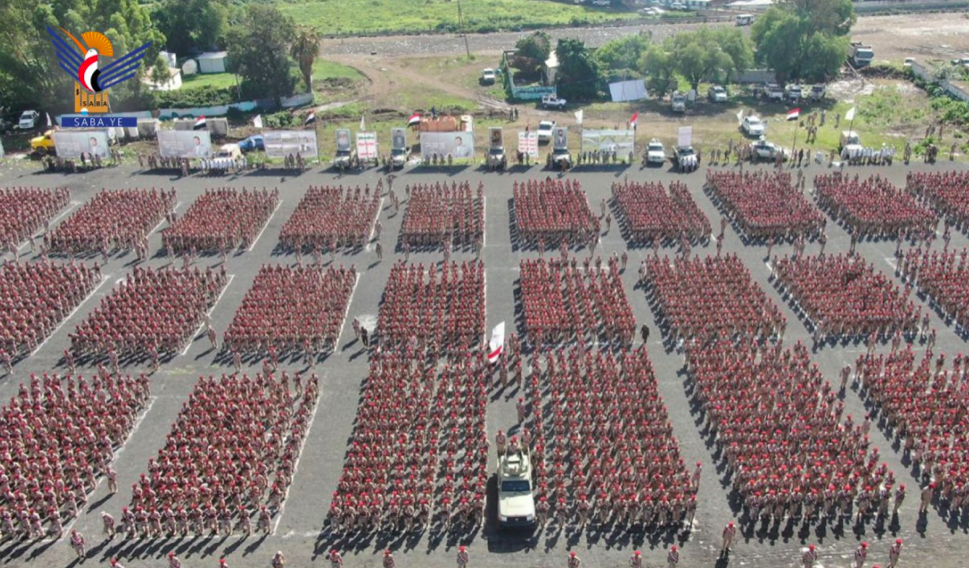
Has the Iran-Saudi deal moved Yemen towards peace?
24 Jun 2023
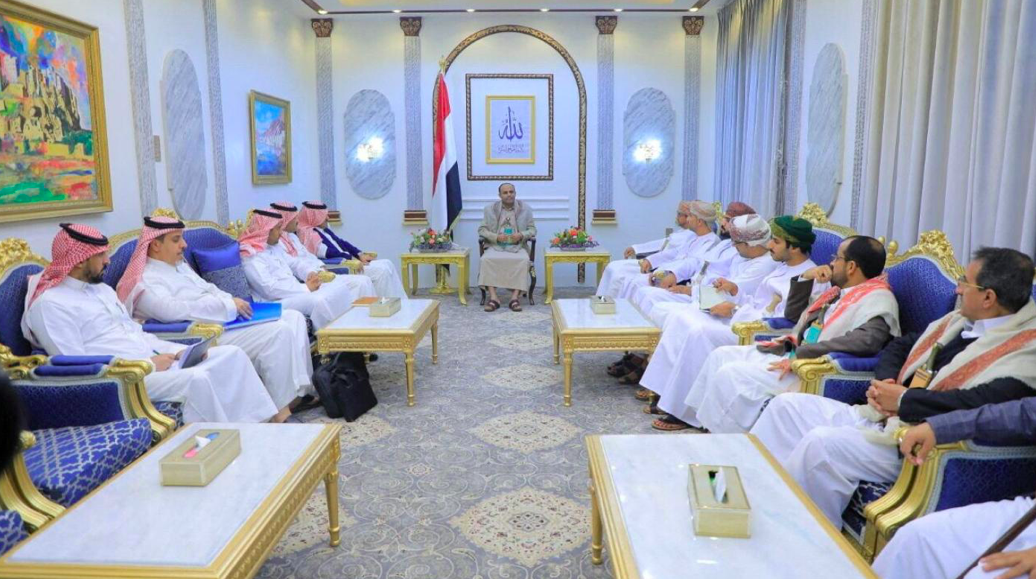
How important will Oman’s mediation be in solving the Yemen conflict?
13 Apr 2023
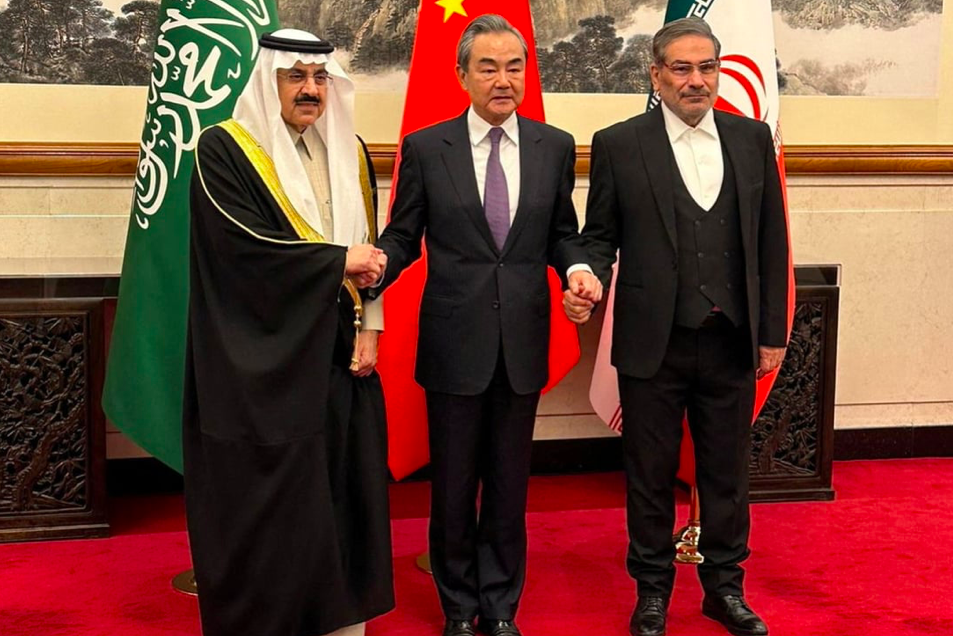
Will the Saudi-Iran deal lead to a solution to the Yemen crisis?
15 Mar 2023
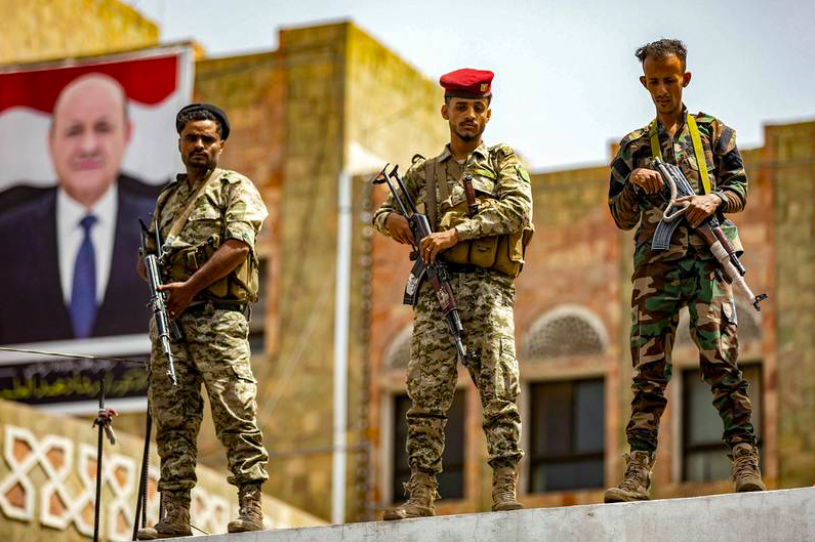
Yemen truce extended: Will anti-Houthi forces finally succeed in uniting?
8 Jun 2022
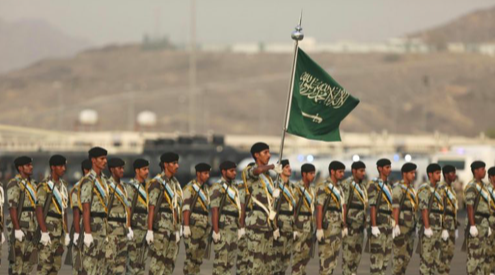
Why has Saudi Arabia agreed to halt the war in Yemen?
1 Apr 2022
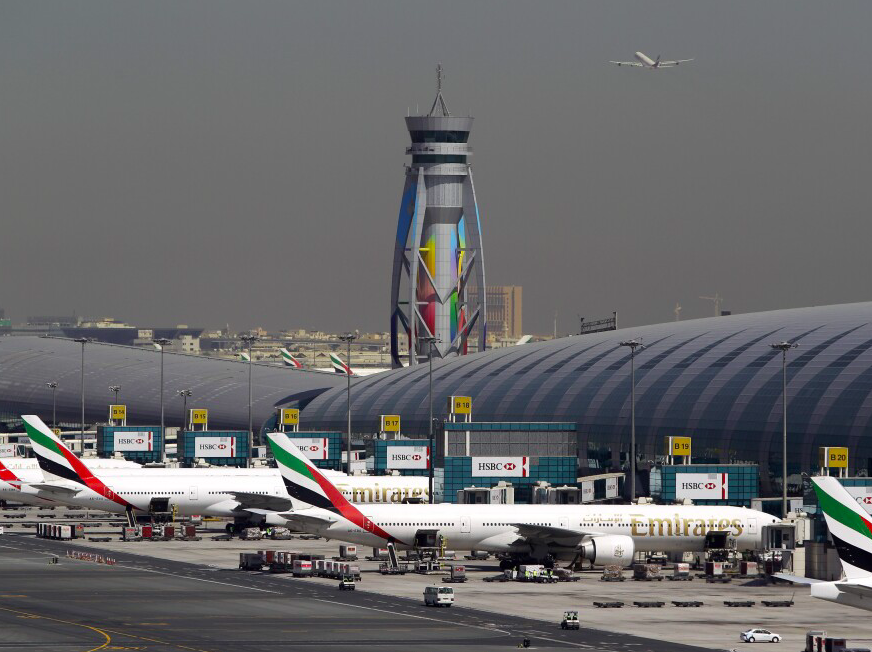
Will the UAE respond militarily to the Houthi attack on its territory?
21 Jan 2022
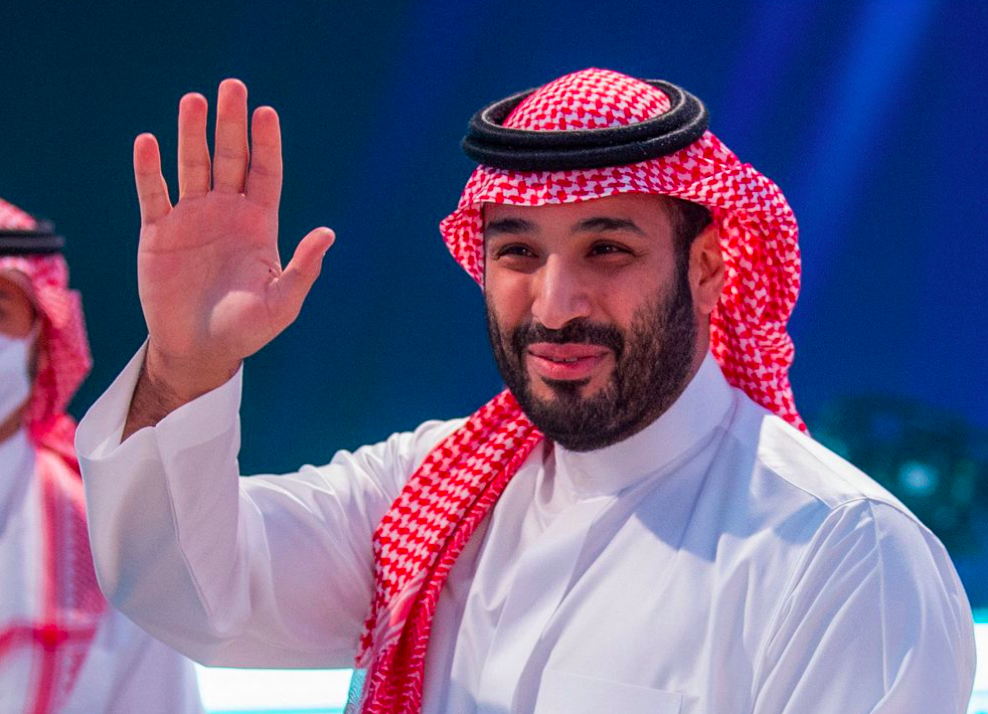
Has the Biden administration changed its policy towards Saudi Arabia?
5 Nov 2021
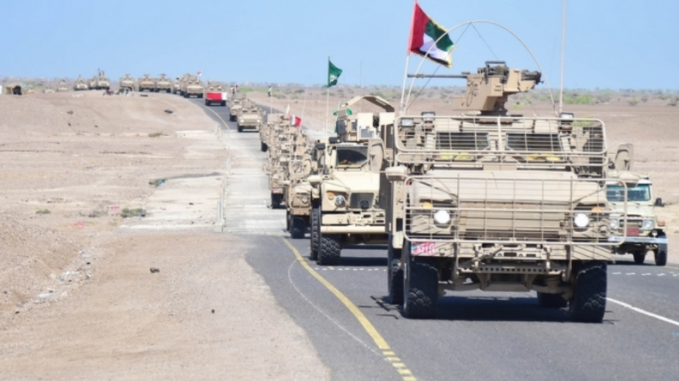
Is the UAE secretly expanding its presence in Yemen?
2 Jun 2021
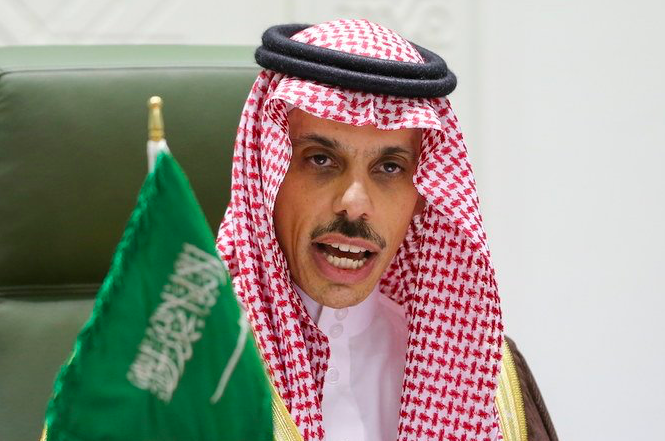
Saudi Arabia announces Yemen peace initiative: Is the Kingdom trying to regain Biden’s trust?
23 Mar 2021
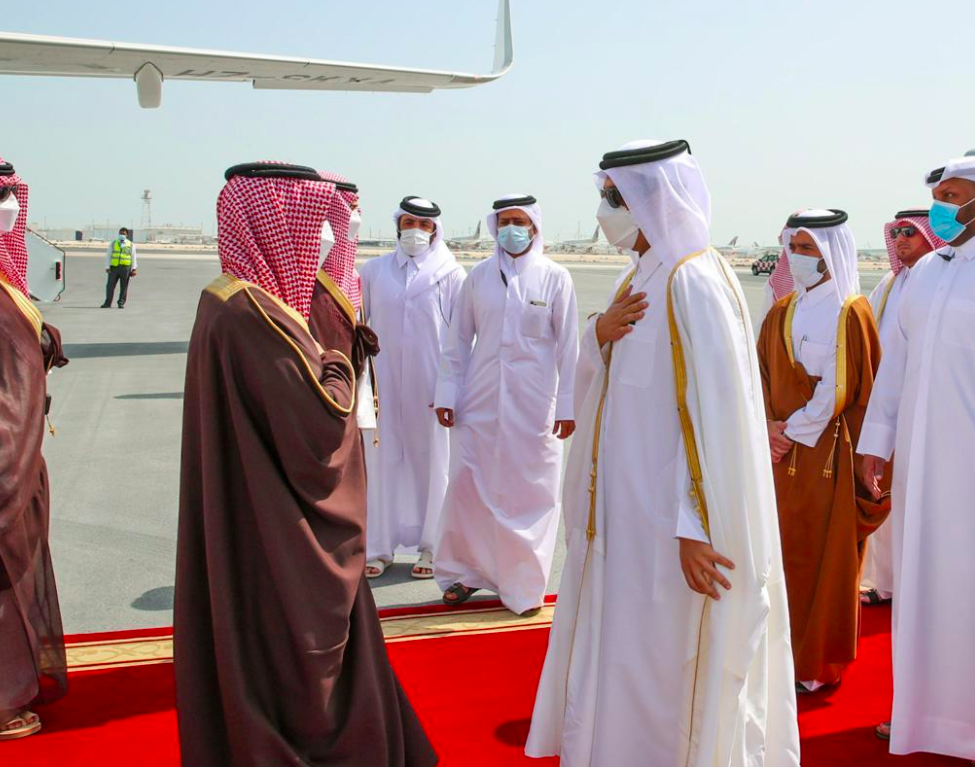
Saudi Arabia’s conflict with the Houthis once again intensifies: Can Qatar mediate the conflict, after restoring ties with the Saudi backed Yemeni government?
8 Mar 2021
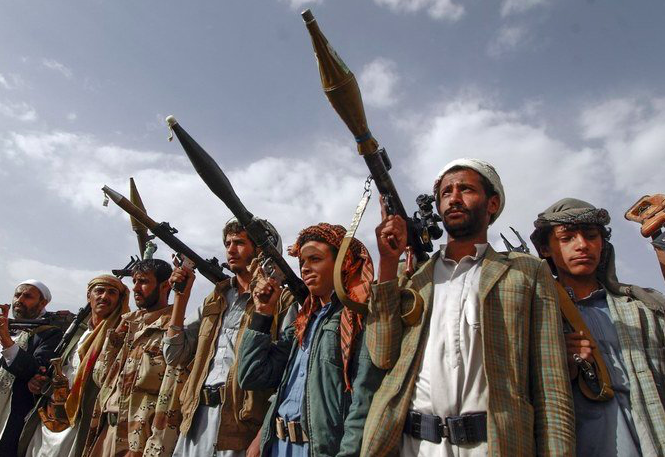
The US struggles to achieve its aims in Yemen: Is the Yemen conflict far from over?
3 Mar 2021
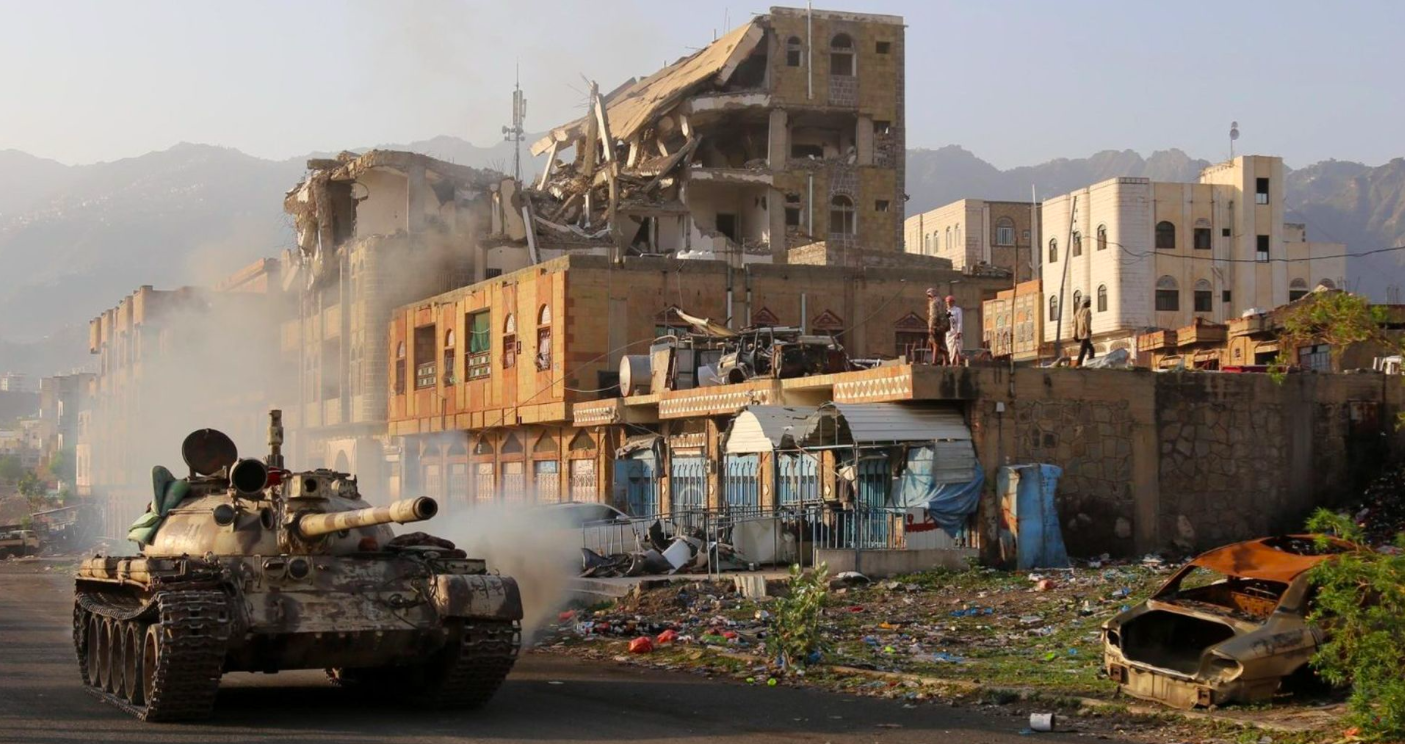
Yemen power-sharing government finally formed: Is Yemen on the road to peace?
24 Dec 2020
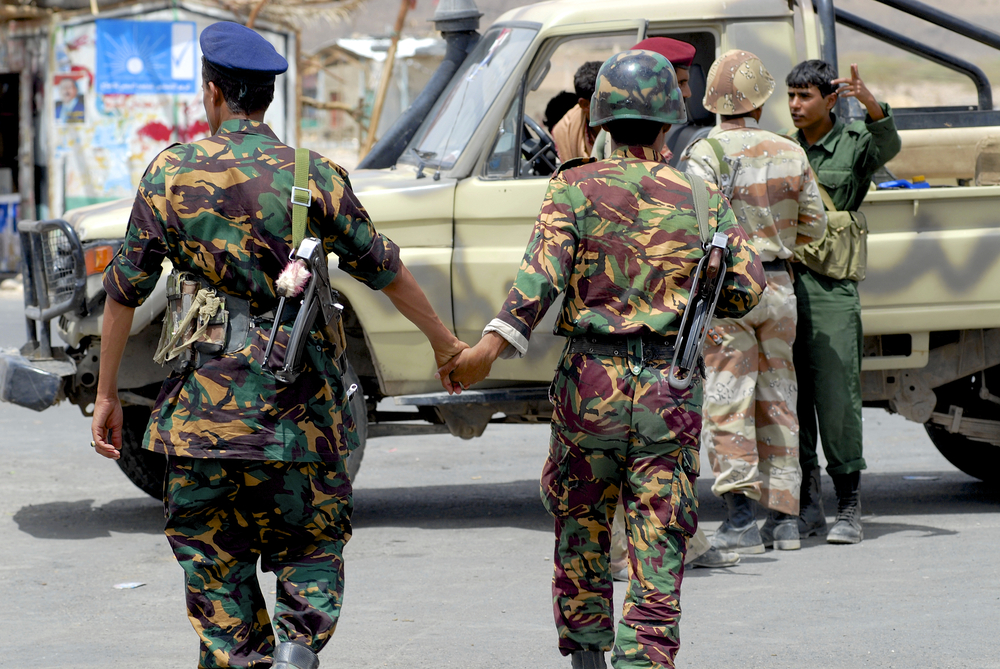
The UAE gives up its Yemen dream in order to unite with Saudi Arabia: Will this unity last?
29 Jul 2020
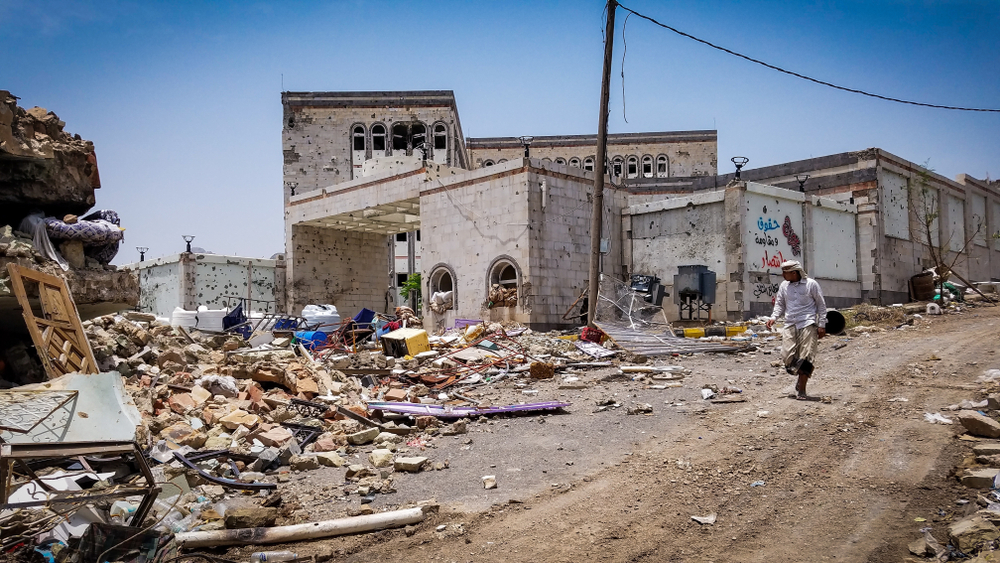
Omani government trying to avoid becoming the next Yemen
Oman’s economic challenges The death of Oman’s Sultan Qaboos last month signified the end of an era of Omani diplomacy and economic modernisation. However, Oman led by Qaboos’s successor Haitham bin Tariq Al Said would like to continue these trends. There are however, a number of several economic challenges and obstacles standing in the way. Haitham’s other main challenge is to oversee Oman’s transition from an over-reliance on oil revenues to a diversified economy. The Omani population is one of the youngest in the world: 46% of it's citizens are under 19. Policies favouring Omanis in employment for the last 20 years have had limited results, as illustrated by dramatic social inequalities, endemic unemployment, and poverty. The World Bank estimates unemployment among 15-24-year-olds is 49%. Real GDP growth turned negative (-0.9%) in 2017 and remained low in 2019 (0.3%). Since 2015, Oman has run high budget deficits and in 2018 rating agencies Fitch and Standard & Poor’s downgraded Oman’s credit rating to “junk”. Economic hardship has been an important trigger of dissent in the last decade, including during the 2011 uprisings, the 2012-13 post-Arab Spring protests, and unemployment protests in 2017-18. Indeed, unemployment is an important issue for the sultanate, where 16.9% of nationals were unemployed in 2017 and over 30% for young people. While the UAE is Oman’s primary economic partner and trade between them is only likely to grow further in the years to come, Oman remain uneasy, and Oman’s decision in 2018 to prohibit GCC nationals from owning property in governorates bordering Saudi Arabia and the UAE reflects Muscat’s worry towards its neighbours, and there are fears that the new sultan might prefer to turn an unfortunate blind eye to the UAE’s imperial ambitions, in the name of Muscat’s need for Abu Dhabi’s money. More on the UAE and Saudi Arabia will be said in point 2, however, Oman’s challenges in its economy are closely linked to its reliance on other Gulf states for expansion of trade and investment, and hence vital to its growth. Subscribe to read the full article We wish we didn't have to do this, but only paid subscribers can read the full article, Unlike other publishers, we are not the beneficiaries of State funds and are entirely dependent on our supporters to keep KJ Vids functioning. Please subscribe to read the rest of the article. The First 1,000 subscribers will receive a 50% lifetime discount to our content. - Access over 500 videos explaining global politics - Full access to all articles - Vote on future video topics - Secure Questions for Video Q&As Sign Up - https://www.kjreports.com/product/lifetimediscount/
7 Feb 2020
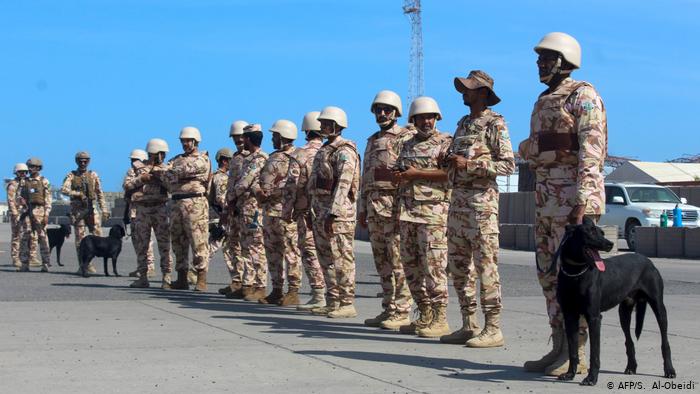
Will Yemen’s latest power-sharing agreement finally lead to peace?
Southern separatists and Hadi’s government sign crucial power-sharing deal At the beginning of November, Yemen’s Hadi government who are backed by Saudi Arabia, and Yemen’s Southern Separatists backed by the UAE achieved a breakthrough in the ongoing Yemen conflict by signing a power-sharing agreement. At a televised ceremony in Riyadh on Tuesday, Saudi Crown Prince Mohammed bin Salman said: “this agreement will open a new period of stability in Yemen.” According to details of the deal, the Southern Transitional Council (STC) – backed by the United Arab Emirates – will reportedly be handed a number of ministries, while the internationally-recognized government will be able to return to Aden under control of the Saudi-led coalition. The officials said the separatists had agreed to disband their militias, which would be integrated into President Abd-Rabbu Mansour Hadi’s forces. That means Saudi-backed Yemeni President Abed Rabbo Mansour Hadi is expected to return to Aden and possibly put together a new cabinet. Furthermore, the deal also puts the two groups in an alliance against a common enemy: the Houthis. In return for these concessions, the southern separatists will take part in United Nations-brokered talks between Hadi’s government and the Houthis rebels. In a statement issued by the UN special envoy for Yemen, Martin Griffiths congratulated the two sides on a deal that he said would propel efforts to end the wider civil war that continues to devastate the country. “The signing of this agreement is an important step for our collective efforts to advance a peaceful settlement to the conflict in Yemen,” added Griffiths. This is an important step towards a reduction of infighting between the 2 parties in Yemen, which will, in turn, reduce unintended violence. This also makes the war clear and possible closer to an end, as the 2 forces look to overpower the Houthis. Subscribe to read the full article We wish we didn't have to do this, but only paid subscribers can read the full article, Unlike other publishers, we are not the beneficiaries of State funds and are entirely dependent on our supporters to keep KJ Vids functioning. Please subscribe to read the rest of the article. The First 1,000 subscribers will receive a 50% lifetime discount to our content. - Access over 500 videos explaining global politics - Full access to all articles - Vote on future video topics - Secure Questions for Video Q&As Sign Up - https://www.kjreports.com/product/lifetimediscount/
21 Nov 2019
War in Yemen Rages On: 5 Geopolitical Effects You Need to Know
1. Separatists gain important ground As the war in Yemen continues, Yemen’s Southern Separatists took control of all government military camps in Aden on Saturday. This is a development that complicates hopes of an end to the war. Battles had resumed at dawn, marking it the fourth straight day of clashes between the separatists and government forces in the port city. The separatists took control of all military camps in the city belonging to the internationally-recognised government, a government official said. It will be hard to negotiate for peace now that the separatists have gained important ground in the crucial port city of Aden. 2. UAE withdrawal’s impact on Yemen In recent months, the UAE who had been one of the strongest presences in Yemen, has begun to draw down its forces in the nation, pulling out several thousand troops in a move that leaves Saudi Arabia in a weaker position tactically. While the UAE is not quitting the war completely, its partial withdrawal leaves Saudi Arabia in a position where it’s unable to execute its initial plan, which was battering the rebels into submission, which had not been successful anyways. The UAE says its withdrawal of troops is in line with efforts to negotiate a peace deal with the Houthi rebels, however the separatists’ latest advancements in Aden could complicate this. Subscribe to unlock the other 3 Points We wish we didn't have to do this, but only paid subscribers can read the full article, Unlike other publishers, we are not the beneficiaries of State funds and are entirely dependent on our supporters to keep KJ Vids functioning. Please subscribe to read the rest of the article. 3. UAE reconsidering withdrawal? 4. UN calls for de-escalation 5. Food aid resumes after two months By investing in KJ Vids, you are investing in yourself Our content succinctly contextualises the key geopolitical trends you need to know in order to make sense of world events. We can assure you that a regular dose of our content will be as healthy as fruit and vegetables for your mind. Subscribe for only £10 a month.
11 Aug 2019

UAE Withdrawal from Yemen: Fact or Half-Truth?
By most credible accounts, the UAE’s involvement in the Yemen War has been greater than Saudi Arabia’s, and Abu Dhabi’s concealment of this fact, speaks volumes about the Emirates’ diplomatic and public relations prowess. By the same token, and in view of the depth of the UAE’s involvement in the Yemen conflict, it would be surprising, to say the least, if the UAE suddenly stopped its involvement there.
26 Jul 2019