
Intelligence
Myanmar
4 reports in this category.
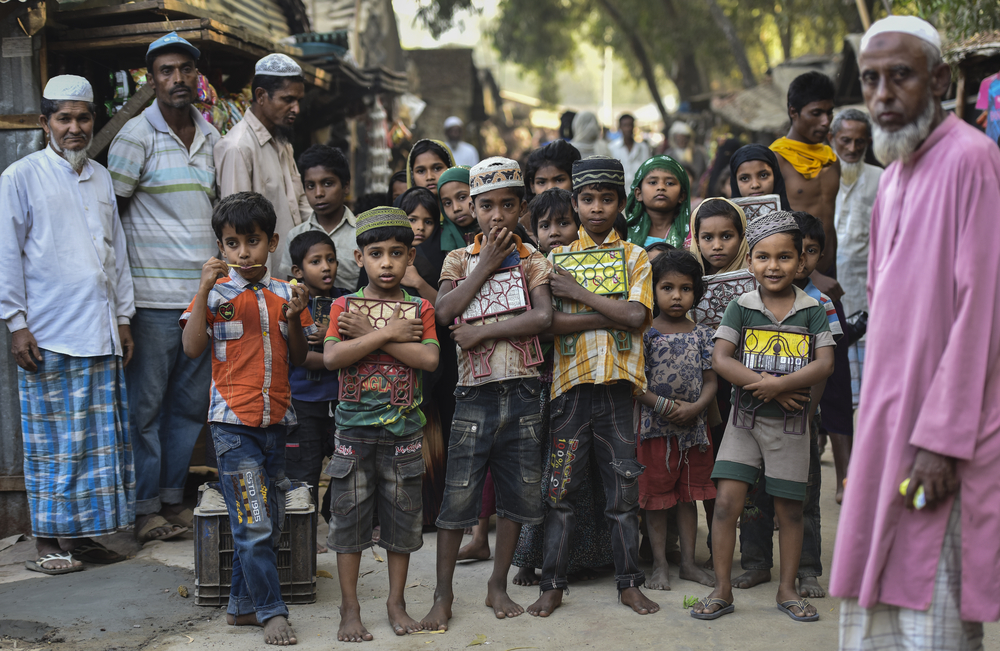
When will the UN take action over Myanmar’s brutal oppression of its Rohingya Muslims?
12 Oct 2020
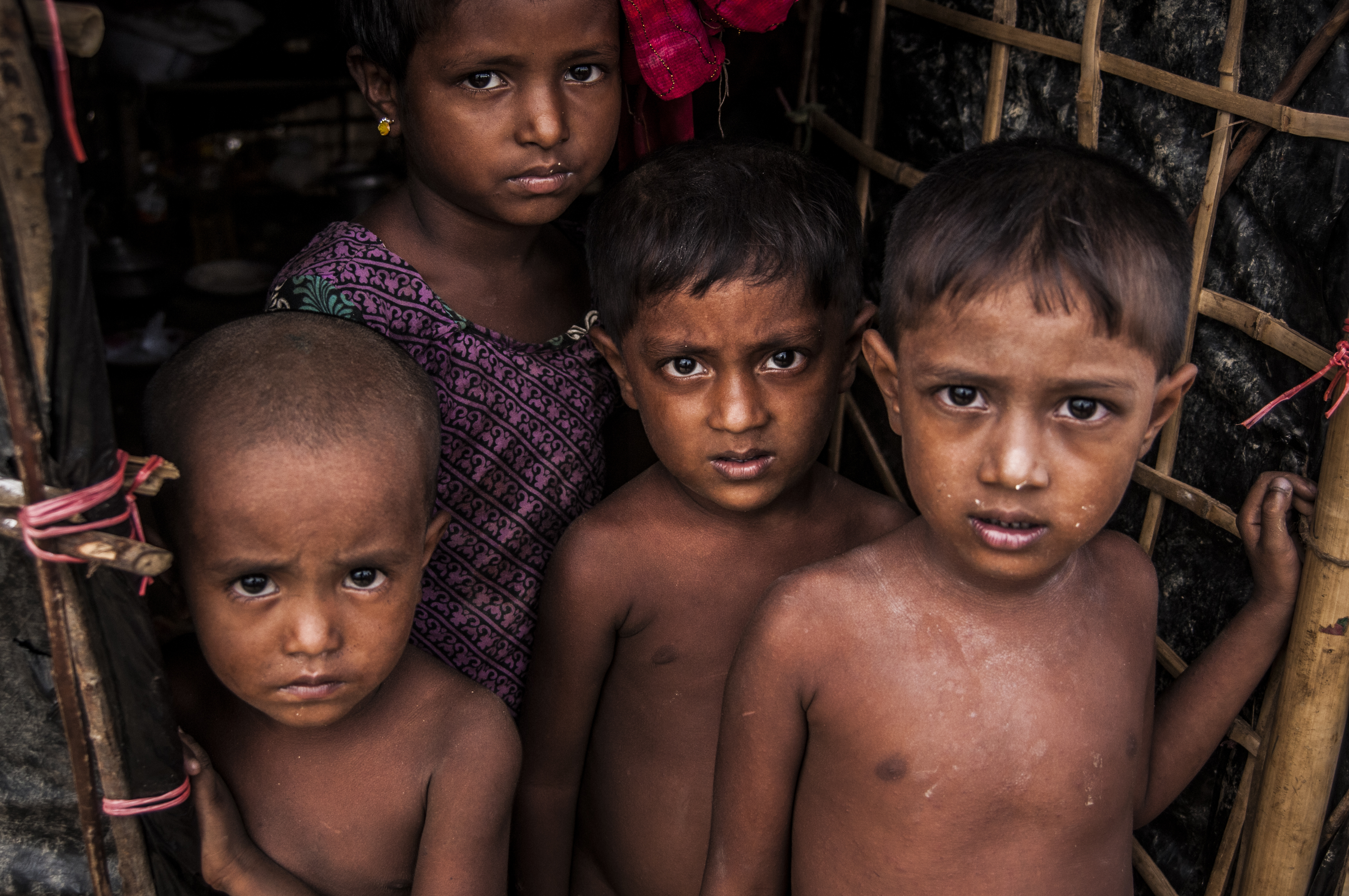
A bird’s eye view of Asia: A continental landscape of minorities in peril
12 Sept 2019
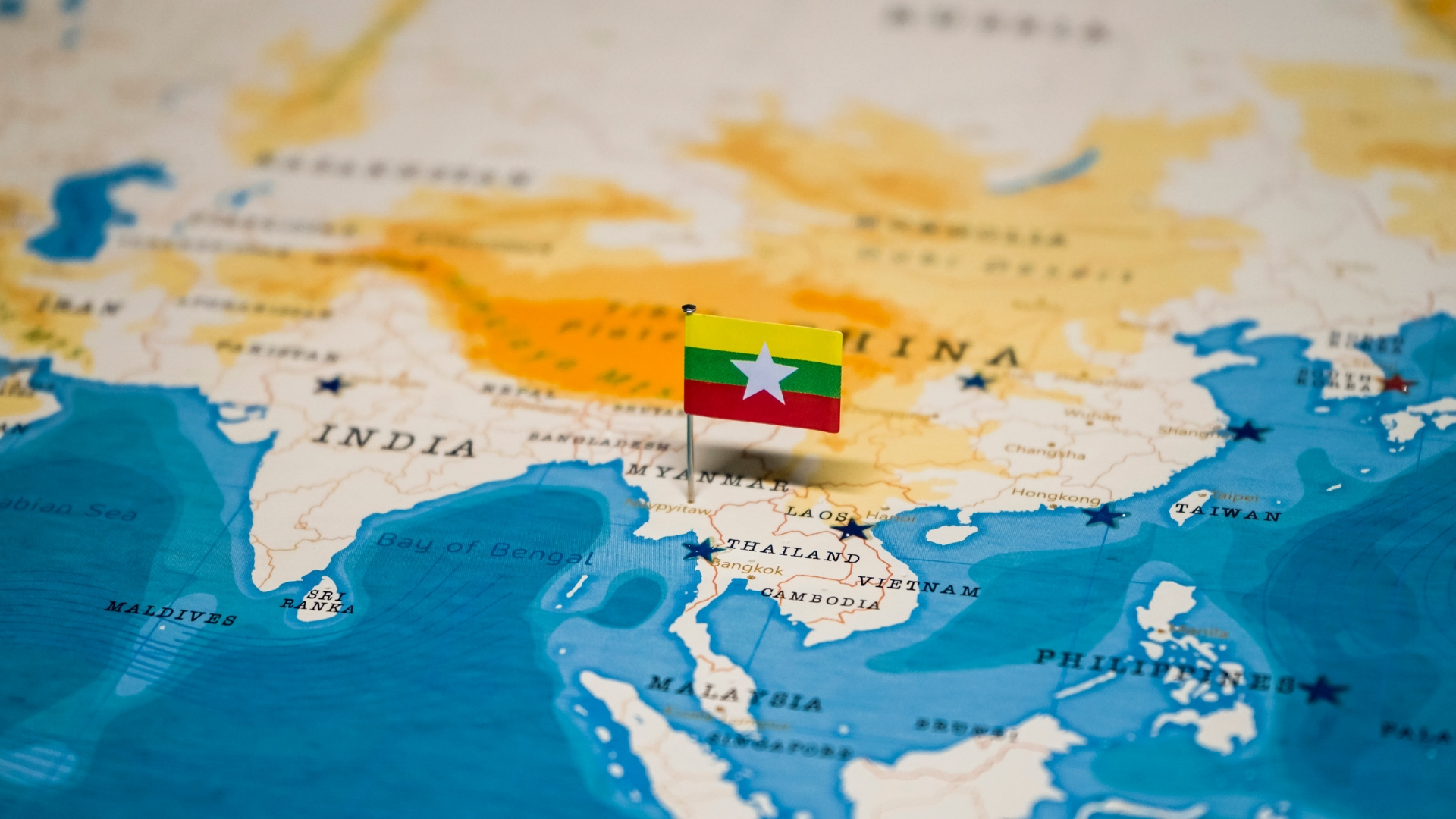
Myanmar-Rohingya Situation: 5 Geopolitical Effects You Need to Know
1. Tug of war for Myanmar China and the US are playing a tug of war for increased influence in Myanmar, due to the abundance of natural resources. With the recent international opposition to Myanmar’s expulsion of the Rohingya population, the two superpowers have taken different sides of the spectrum to try to gaining influence in the area. In spite of the Rohingya issue that has been escalating for a number of years, China has emerged as the largest investor in Myanmar’s commercial centre Yangon, accounting for 65 of 113 approved foreign invested projects in fiscal 2018-19. According to a July 26 report in The Irrawaddy, the surge in new Chinese investment has been concentrated in Yangon but is also growing fast in other parts of the country. At the same time, spurned by the West over its abysmal human rights record, Myanmar is increasingly turning to China to fill its foreign investment shortfall, while China are also aiding the country militarily. On the other hand, the US is taking a different approach, as they recently banned visits by Myanmar’s army chief and three other top officers due to their role in the “ethnic cleansing” of the Rohingya minority, urging accountability for their brutal campaign. The US is trying to use its influence to change the military command in its favour, which would make the return of the Rohingyas more likely, while more importantly making the US have a bigger role in the nation. 2. China’s influence through One Belt One road China’s political influence in China, is clearly displayed through the role of the influence in Myanmar on the Arakan Army’s (AA) and it's endorsement of China’s One Belt One Road (OBOR) or Belt and Road Initiative (BRI). Generally, China employs a government-to-government and party-to-party two-pronged relationship with Myanmar as it usually does with the other countries. But lately, with the ambitious BRI mega project, it seems to have added another channel which is military to military. Myanmar relies heavily on China for military equipment and food supplies, as well as two-way trade which involves exporting natural resources and mineral extraction, among others. the Myanmar government recently agreed to begin work on key projects under the China-Myanmar Economic Corridor (CMEC) agreement which is part of the BRI. An estimated $2 billion will be spent in the initial stages of the project. This is a major sign of China’s increased influence in the nation, and the BRI is set to be the perfect tool for it. Subscribe to unlock the other 3 Points We wish we didn't have to do this, but only paid subscribers can read the full article, Unlike other publishers, we are not the beneficiaries of State funds and are entirely dependent on our supporters to keep KJ Vids functioning. Please subscribe to read the rest of the article. 3. India’s help in Bay of Bengal 4. UN calls for boycott on Myanmar 5. Malaysia speaking out By investing in KJ Vids, you are investing in yourself Our content succinctly contextualises the key geopolitical trends you need to know in order to make sense of world events. We can assure you that a regular dose of our content will be as healthy as fruit and vegetables for your mind. Subscribe for only £10 a month.
5 Aug 2019
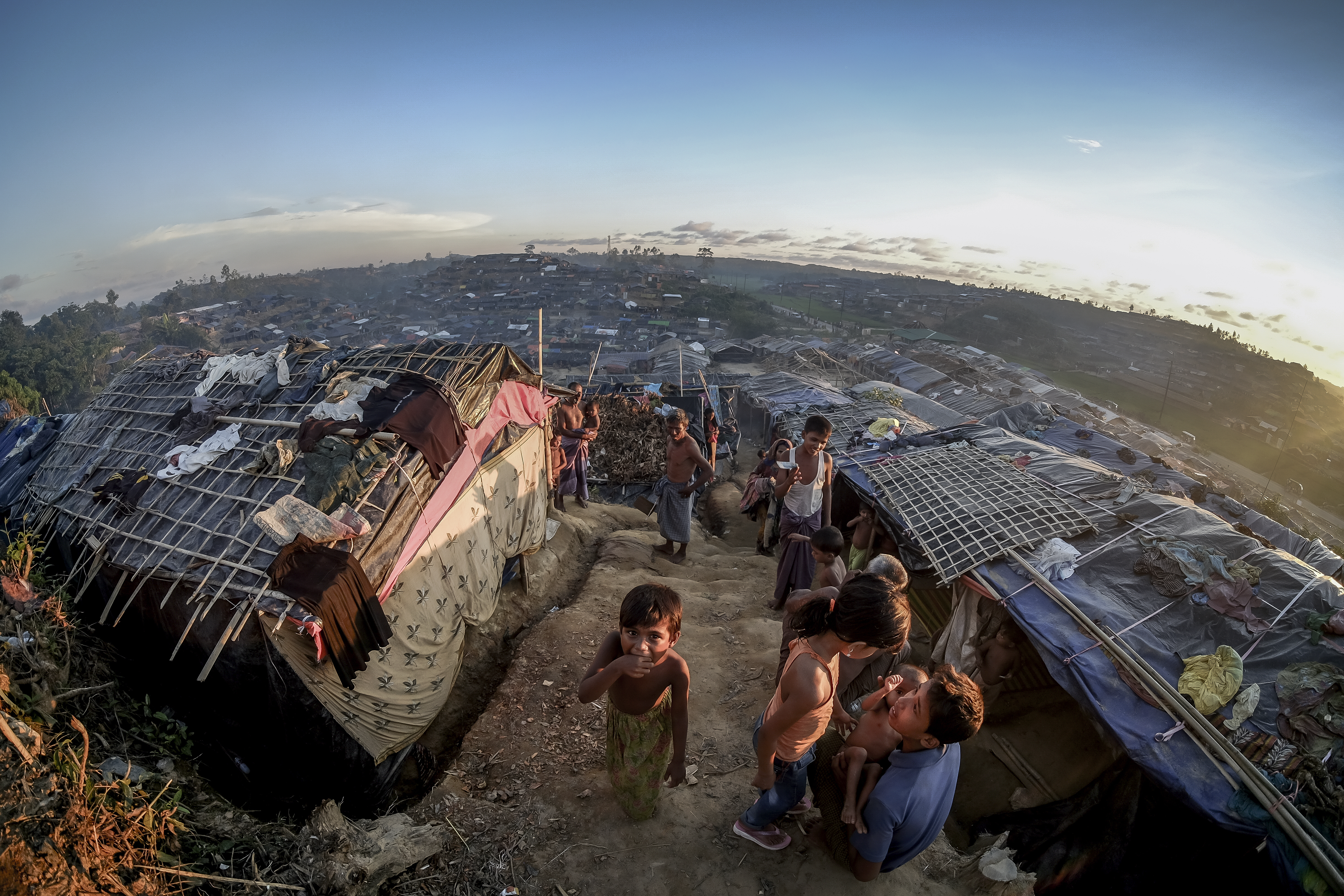
Why no one cares about the Rohingya
Two years ago, 671,000 Rohingya fled violence and persecution in Myanmar for the safety of Cox’s Bazar, near the south eastern tip of Bangladesh. They joined over 200,000 Rohingya who were displaced in the last 20 years. There are now almost a million Rohingya living Bangladesh, in the largest refugee camps in the world. The situation remains fragile with the serious and long-term challenges presenting Bangladesh, yet to be resolved. But why did the Rohingya Crisis escalate so rapidly and why does the International community not care? “Textbook Ethnic Cleansing” The Rohingya have faced systemic discrimination and exclusion for decades, being denied the recognition of their ethnicity. The 2017 attacks by the Myanmar military were described by the UN high commissioner for human rights as “textbook ethnic cleansing”. He also said of the military campaign: “You cannot rule out the possibility that acts of genocide have been committed.” While these attacks were the most systematic and the largest in scale, they were not the first. Attacks in 2012 and 2016 led to the internal displacement of more than 100,000 Rohingya people who continue to live in what are effectively prison camps with extremely limited access to food, healthcare and shelter. The Rohingya crisis needs to be seen in the context of a rapidly evolving geopolitical environment in which Myanmar has become ever so important to China’s string of pearls strategy. This Chinese strategy seeks to strengthen the network of Chinese military and commercial facilities in countries falling on the Indian Ocean between the Chinese mainland and Port Sudan.
2 Jul 2019