The Illusion of the Hard Deadline
Western intelligence circles are currently obsessed with the years 2025 and 2027. These dates are treated as fixed points on a calendar, derived from military procurement cycles and Xi Jinping’s stated goals for PLA modernisation. This focus on a single day of reckoning is a category error. Beijing does not view the 'reunification' of Taiwan as an event, but as a process. The real intention is not a D-Day style amphibious assault unless all other avenues fail. Instead, China is perfecting the art of the permanent grey-zone siege.
The incentive for this shift is simple: risk mitigation. An amphibious invasion is the most difficult military operation in existence. Failure would likely mean the end of the Chinese Communist Party’s domestic legitimacy. Beijing is rational; it prefers a hundred years of pressure to one day of existential risk.
The Economic Gravity Well
Power in the 21st century is rarely about who occupies a territory first, but who integrates its systems most deeply. Despite political friction, Taiwan’s economy remains tethered to the mainland. Beijing’s strategy is to increase this dependency while simultaneously preparing the infrastructure for a blockade. By normalising military drills that cross the median line, they are de-sensitising the global community and the Taiwanese public to a state of near-constant encirclement.
- Energy Fragility: Taiwan imports nearly 98% of its energy. A blockade does not need to land a single soldier to collapse the island's industrial capacity.
- Submarine Cables: The digital isolation of Taiwan is a prerequisite for any kinetic action. We are seeing increased 'accidental' damage to cables as stress tests for this reality.
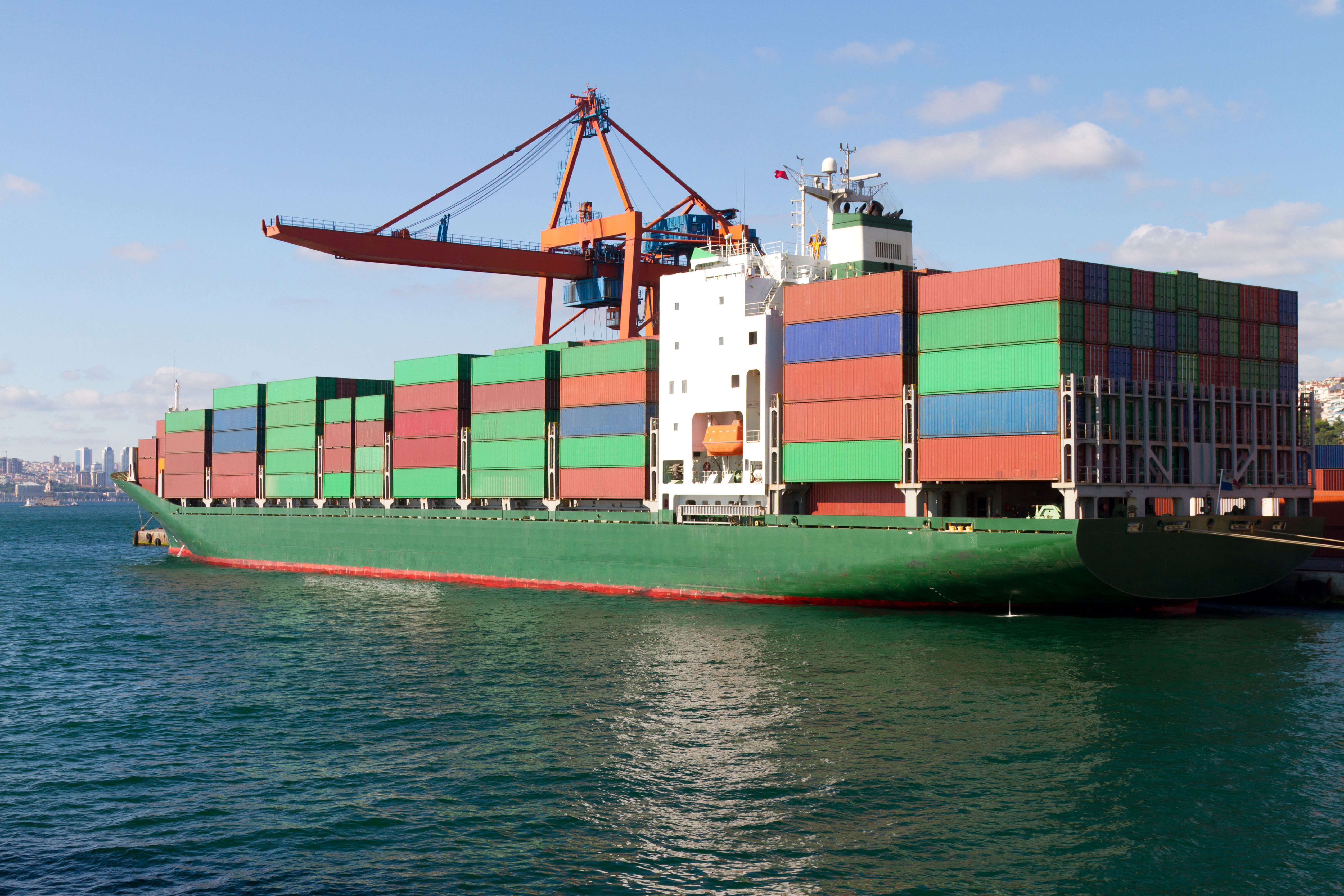
- Legal Warfare: Beijing is rewriting the maritime status of the Strait to treat it as internal waters, creating a legal pretext for future 'law enforcement' actions against commercial shipping.
A Historical Parallel: The Siege of Carthage
To understand Beijing’s patience, look to the Third Punic War. Rome did not simply sail in and conquer Carthage in a single strike. They spent years delegitimising Carthage’s sovereignty, imposing unbearable diplomatic demands, and waiting for the internal social fabric of their rival to fray. Only when the target was weakened, isolated from allies, and psychologically defeated did the final assault occur. Beijing is currently in the isolation phase. They are not looking for a heroic battle; they are looking for a surrender before the first shot is fired.
What Most People Miss: The 'Quiet' Integration
While the world watches fighter jets, the real movement is in the bureaucratic and financial shadows. Beijing is building a parallel system of incentives for the Taiwanese business elite. The goal is internal fragmentation. If the cost of resisting becomes higher than the cost of 'Hong Kong-style' integration for the people who hold the purse strings in Taipei, the political will to fight evaporates. Beijing's real timeline is tied to the internal decay of Taiwanese political consensus, not just the delivery of new aircraft carriers.
Strategic Consequences
The second-order effect of this siege logic is a transformation of the regional security architecture. US allies like Japan and Australia are being forced to prepare for a 'long war' of attrition rather than a 'short war' of intervention. This creates a massive fiscal burden. If China can maintain a state of perpetual high-alert for a decade, it may eventually outspend and outlast the Western appetite for a permanent forward presence in the Pacific.
What to Watch
- The Kinmen and Matsu 'Tests': Watch for Beijing to exert administrative control over these outlying islands as a proof-of-concept for the main island.
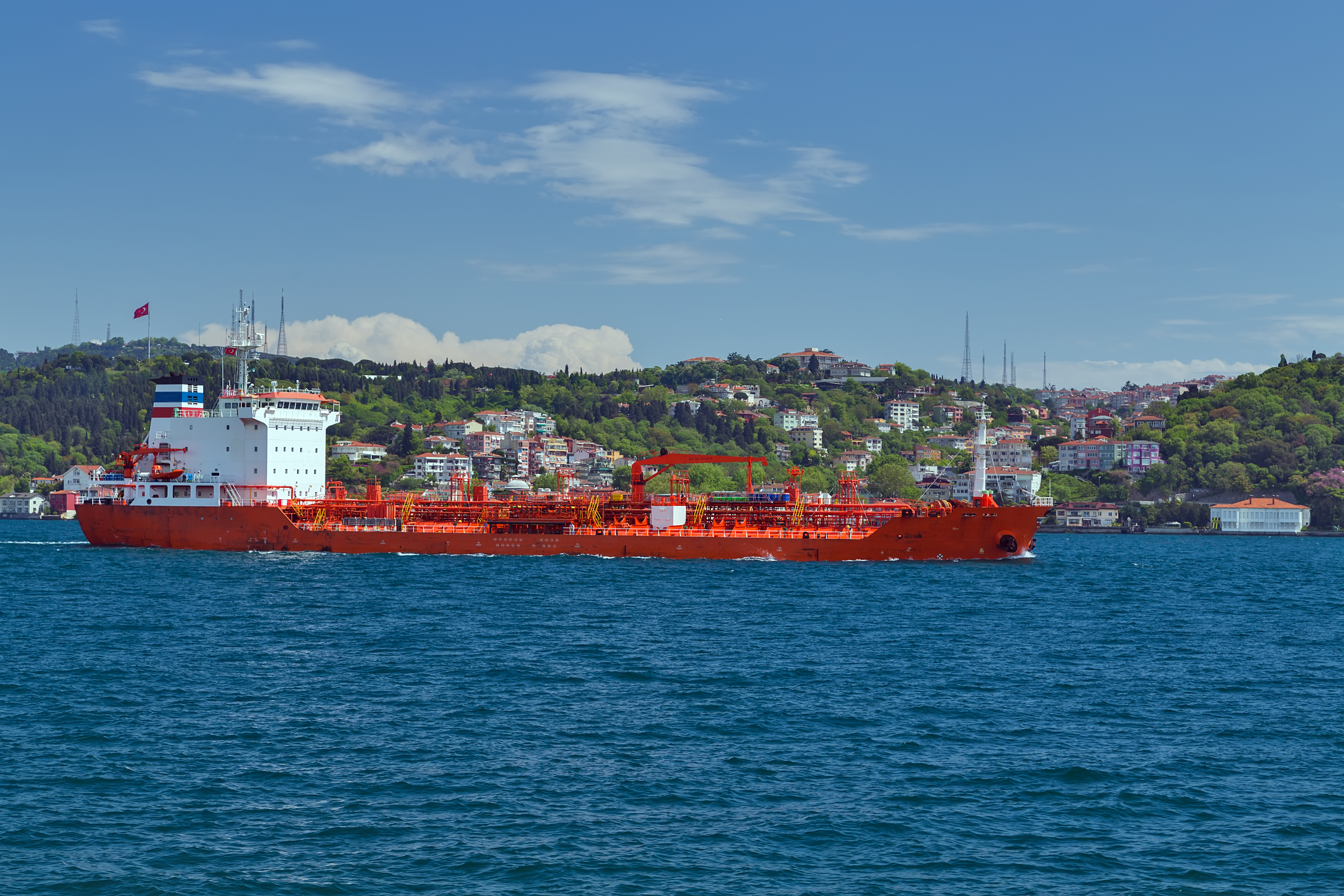
- Merchant Marine Integration: The conversion of civilian Roll-on/Roll-off (Ro-Ro) ferries for military use is the single most important metric for invasion readiness.
- Insurance Premiums: Sudden spikes in maritime insurance for the Taiwan Strait will signal that the private sector views the blockade risk as imminent.
- US Logic: Any shift in US 'strategic ambiguity' that leans toward permanent stationing of troops would likely force Beijing to accelerate its timeline to avoid a 'fait accompli'.
KJ Verdict
Beijing’s real intention is to avoid the gamble of the century. They are building the capacity for an invasion precisely so they never have to use it. The strategy is to create a sense of sociological and economic inevitability. The West is preparing for a sprint in 2027; Beijing is running a marathon designed to end in Taipei’s exhaustion. The danger is not that China will suddenly attack, but that Taiwan will eventually wake up to find it is already captured within a net it can no longer break.