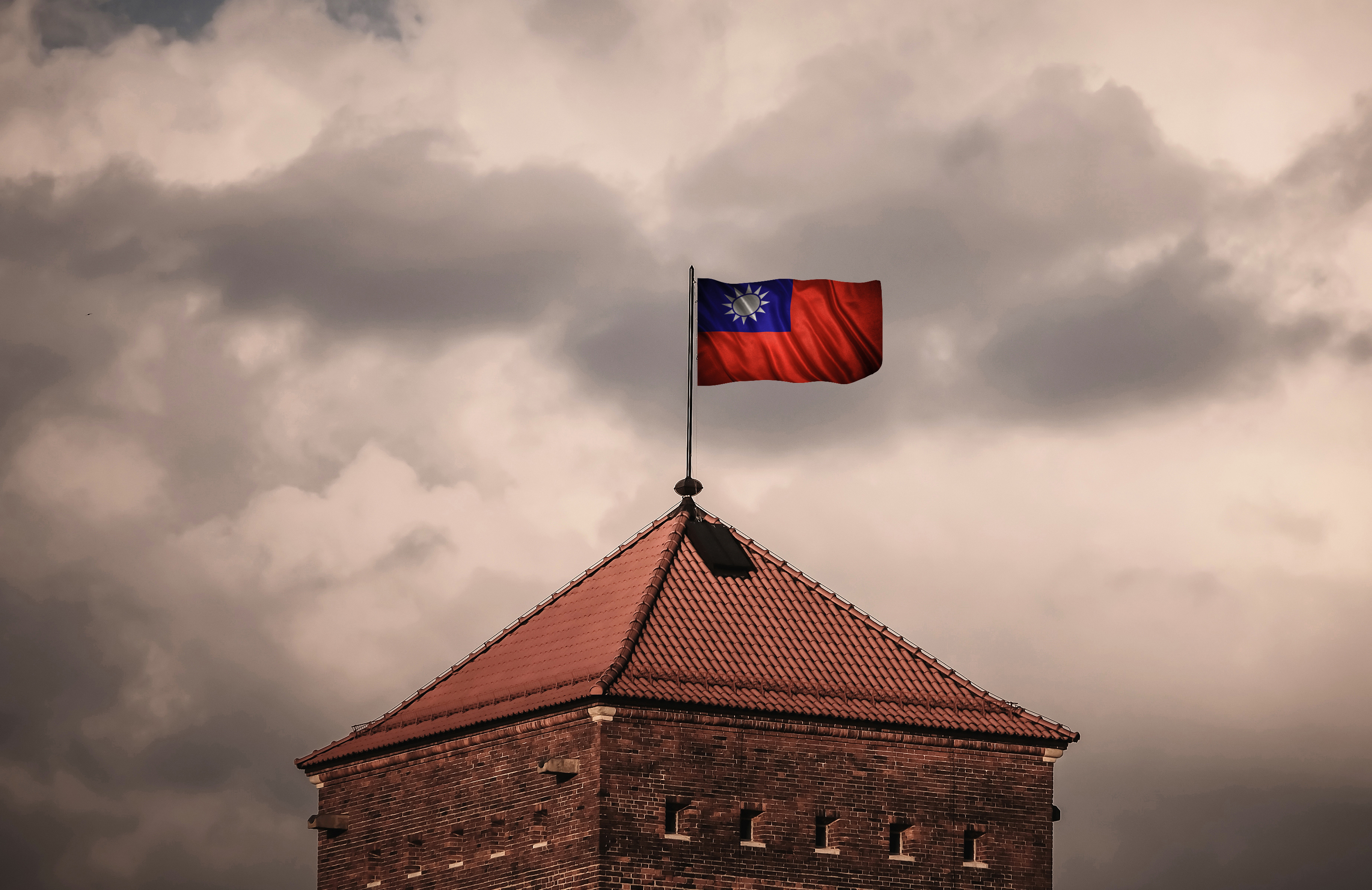
The prevailing narrative in Washington and London suggests that a Chinese invasion of Taiwan is imminent, with 2027 frequently cited as the terminal date for peace. This obsession with a specific year is a product of mirror-imaging Western election cycles and military budget rounds. It ignores the fundamental incentive structure of the Chinese Communist Party (CCP). For Beijing, the Taiwan question is not a matter of a ticking clock, but a calculation of total national power. China will not move until the cost of inaction finally exceeds the existential risk of a failed amphibious assault.
The Multi-Decadal Horizon
Beijing’s planning operates on a timeline of systemic displacement, not sudden rupture. The primary goal of the People’s Liberation Army (PLA) is not to win a bloody war in the Taiwan Strait today, but to reach a level of capability where the United States decides that intervention is functionally impossible. This is the concept of 'winning without fighting'.
Three structural anchors drive Beijing’s real timeline: industrial self-sufficiency, financial decoupling, and military saturation. Until China can shield its economy from the kind of total sanctions regime currently imposed on Russia, an invasion remains a suicidal gamble for the CCP’s domestic legitimacy. Beijing is currently in the 'hardening' phase—building the Cross-Border Interbank Payment System (CIPS) and stockpiling strategic commodities. These are not the actions of a state planning a war next year; they are the actions of a state preparing for a decades-long struggle.
The Historical Parallel: The Battle of Red Cliffs
To understand the current impasse, one should look to the Three Kingdoms period and the Battle of Red Cliffs (208 AD). The northern warlord Cao Cao possessed overwhelming numerical superiority but failed to account for the geography of the Yangtze River and the specific naval expertise of his southern rivals. He rushed a campaign to unify the country and was met with a catastrophic defeat that cemented the division of China for decades.
Modern Beijing is acutely aware of this precedent. A failed invasion of Taiwan would not just be a military setback; it would likely end the CCP’s rule. The risk of a 'modern Red Cliffs'—where US-led submarine and missile forces exploit the vulnerabilities of a massive transport fleet—remains the ultimate deterrent. Beijing values the survival of the regime above the reclamation of territory. This makes them more conservative than the '2027' alarmists suggest.
What Most People Miss: The Demographic Paradox
Common wisdom suggests China must move soon because its population is domestic and its economy is slowing. This is a misunderstanding of how the CCP views its human capital. An invasion of Taiwan requires a massive mobilisation of an 'only-child' generation. In a society with no social safety net beyond the family unit, the political cost of high casualty rates among only-sons is an existential threat to social stability.
Furthermore, the 'peaking China' theory assumes that a weaker China is a more aggressive China. In reality, a slowing economy makes the cost of a global trade embargo even more unpalatable. China’s internal incentive is to avoid a hot war that would decapitate its remaining path to high-income status. The real strategy is 'constriction'—a slow-motion blockade through 'grey zone' tactics that gradually normalises PLA presence in Taiwanese waters, eroding the island’s sovereignty without ever firing a shot.
The Strategic Second-Order Effects
The consequence of this 'slow-boil' approach is a fundamental shift in regional security. As China focuses on constriction rather than immediate invasion, secondary powers like Japan, South Korea, and Australia are forced into a permanent state of high-alert. This leads to several distinct outcomes:
- Regional Re-armament: Japan’s departure from its pacifist posture is a direct response to the persistence, not the immediacy, of the China threat.
- Semiconductor Onshoring: The 'Silicon Shield' is being dismantled. As the US and Europe move chip production home, Taiwan’s value as a global economic hostage decreases, which ironically could make a future conflict more likely by removing an international deterrent.
- Normalization of Encroachment: By crossing the median line daily, Beijing is destroying the status quo through attrition. Eventually, a military blockade will look like a routine exercise until it is too late to reverse.
What to Watch
- Strategic Grain Reserves: Monitor the duration and volume of China’s food stockpiling. This is a more reliable indicator of war footing than military rhetoric.
- The US Navy’s Logistics: Watch for the development of dispersed maritime logistics. If the US cannot refuel and rearm in theatre, deterrence fails.
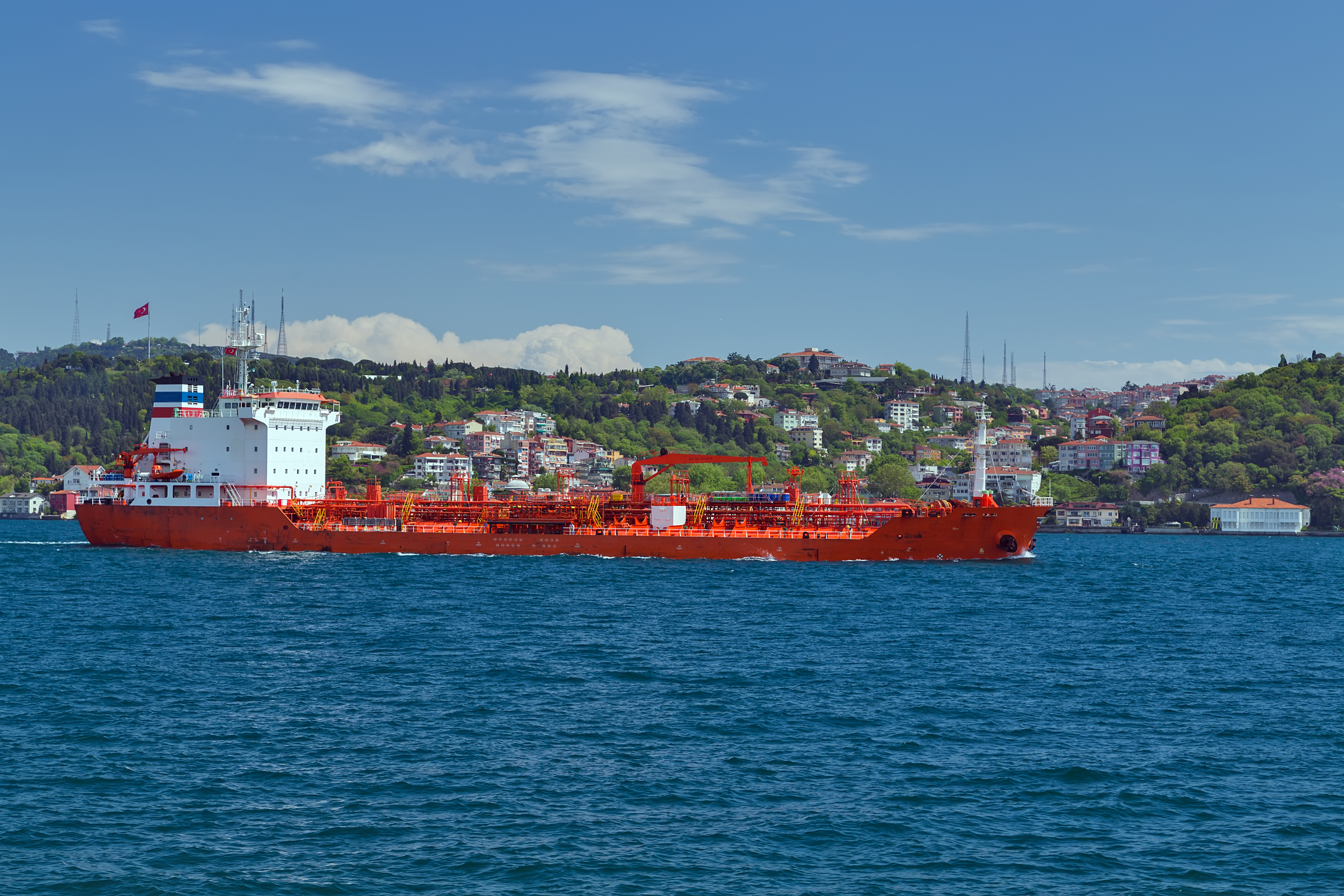
- Taiwanese Domestic Energy: Taiwan’s vulnerability is its energy dependency. Watch for Beijing’s efforts to interfere with LNG tanker routes under the guise of 'safety inspections'.
The KJ Verdict
The danger is not a scheduled invasion in 2027, but a catastrophic miscalculation born of Beijing’s psychological pressure. China’s real intention is to win through exhaustion. They are building a world where the reunification of Taiwan appears as a historical inevitability that is not worth a Third World War. For the West, the challenge is not just to prepare for a sprint in the mid-2020s, but to sustain the industrial and political will for a marathon that will last the rest of the century.