
Intelligence
Tunisia
8 reports in this category.
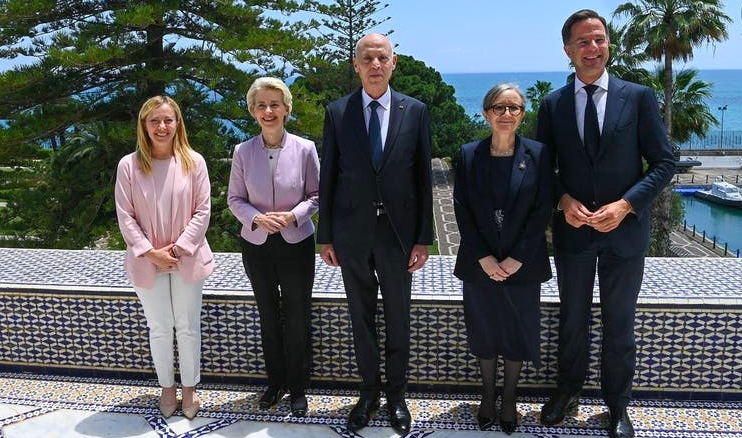
Why is the EU trying to save Tunisia’s economy?
12 Jun 2023
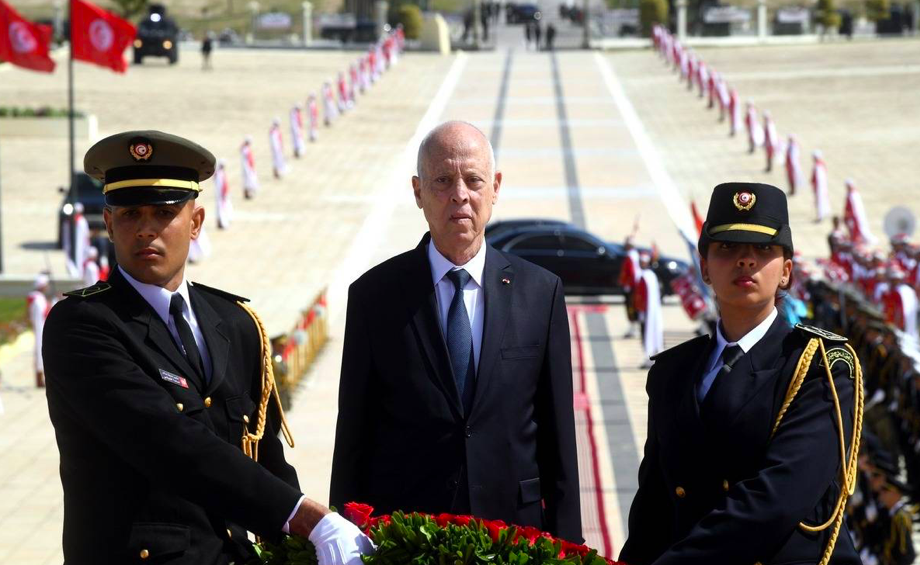
Is Tunisia approaching another revolution?
26 Apr 2023
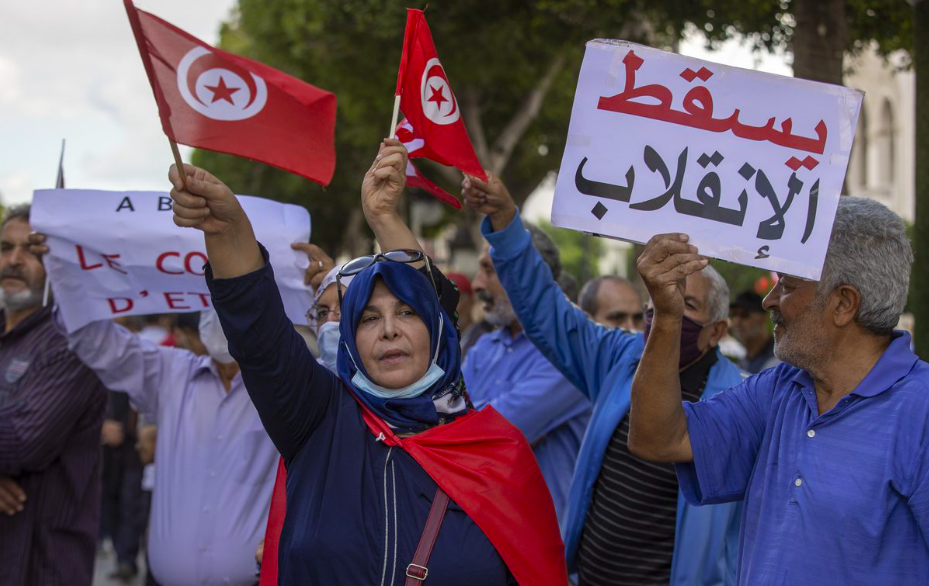
Will Tunisia return to democracy?
14 Dec 2021
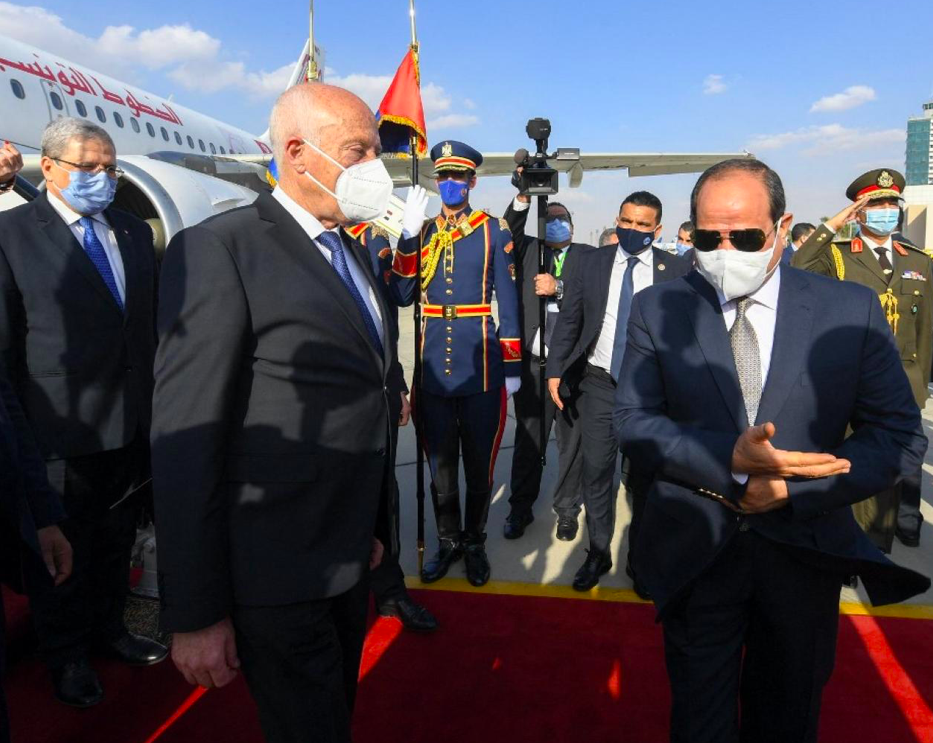
What are the implications of the coup in Tunisia?
4 Aug 2021
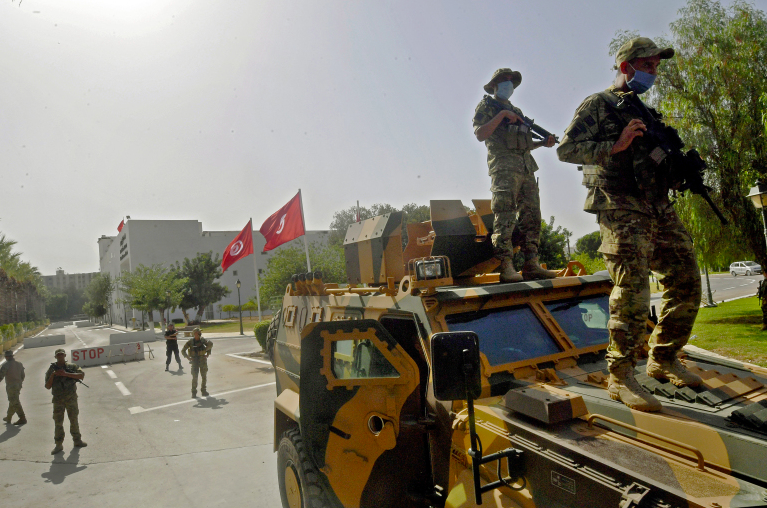
Tunisia’s president launches a coup and sacks government: Is the UAE behind this move?
26 Jul 2021
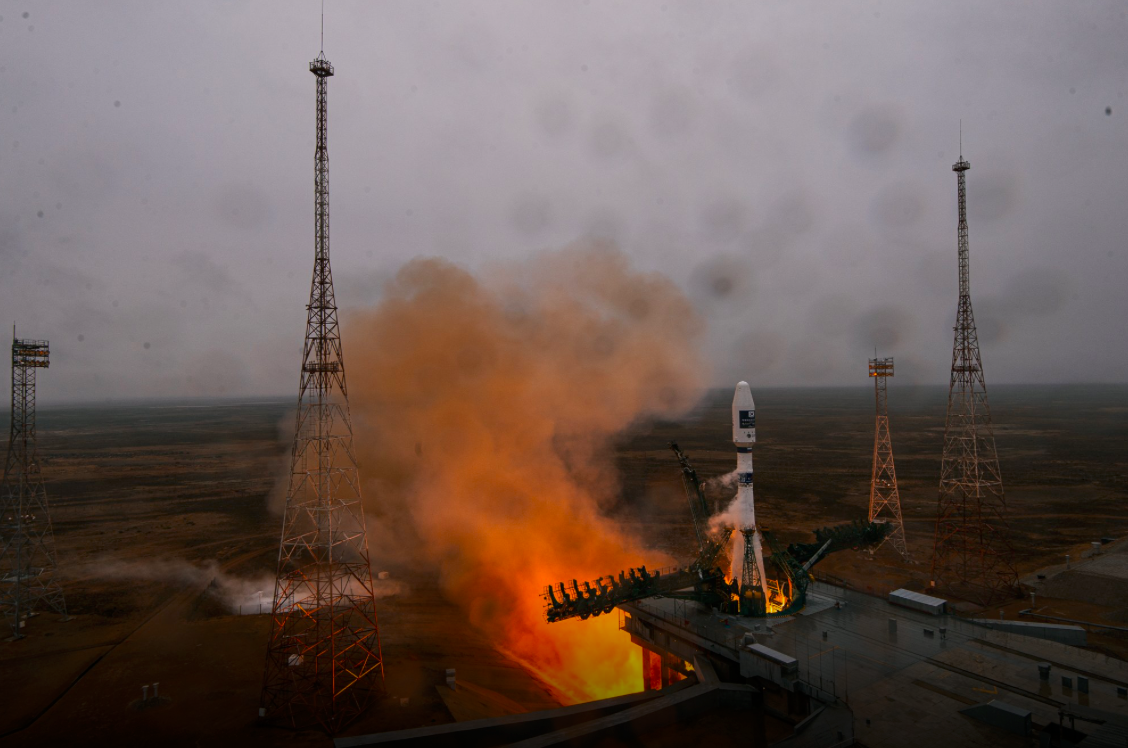
Tunisia launches first indigenous satellite into space: Does this highlight Tunisia’s technological ambitions?
26 Mar 2021
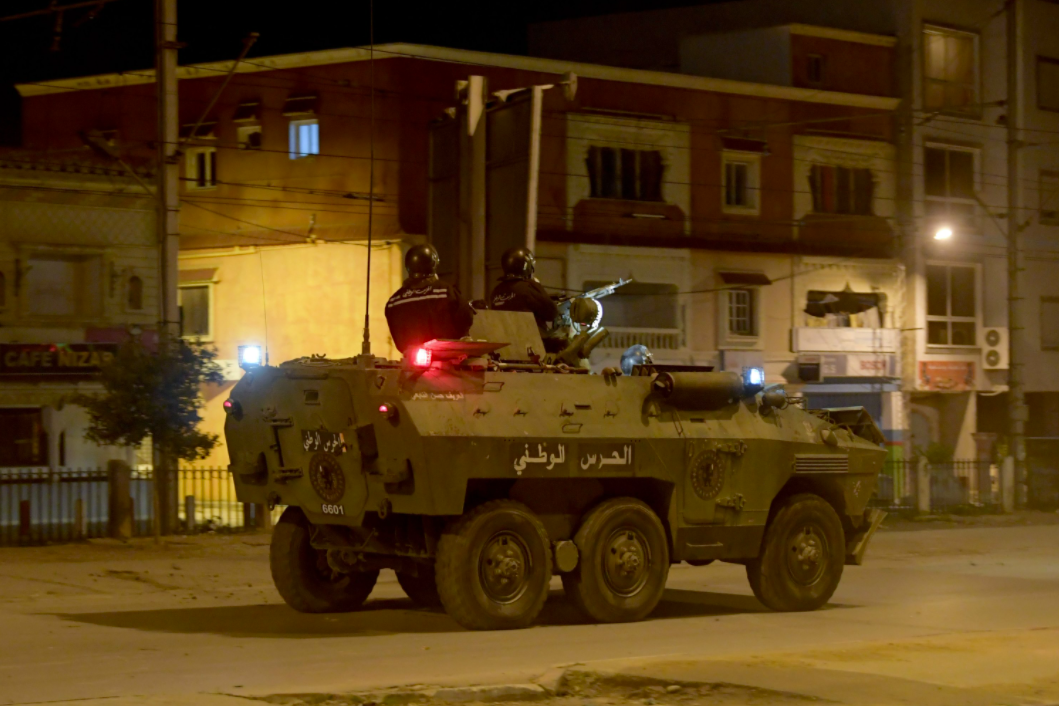
Why have protests erupted in Tunisia?
18 Jan 2021
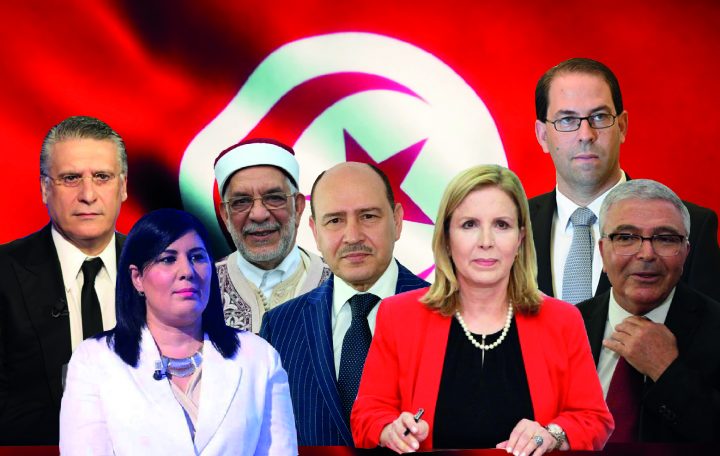
Tunisia’s future as uncertain as ever as the nation gears up for its second free elections
Background – second free presidential election After a state of economic difficulty for several years, Tunisia is holding its second free presidential poll since the 2011 uprising that toppled ex-president Ben Ali and sparked the Arab Spring. The defining issue of this year’s election is whether the Tunisian state can meet the social and economic needs of its people. It was brought forward from November after the death in July of Beji Caid Essebsi, the first democratically elected president, who took office in 2014. Tunisia’s political system, as established in the post-revolutionary constitution of 2014, divides power between the country’s president (who is responsible for foreign policy, defence, and national security) and the prime minister (who leads the government and oversees domestic policy). On paper, the prime minister has greater power but many Tunisians still regard the presidency as the more high-profile position. Twenty-six candidates, including two women, are running in the election. It is widely viewed as a test of one of the world’s youngest democracies. Mr Essebsi won Tunisia’s first free presidential elections in 2014 and was credited with largely maintaining stability in the country during his almost five-year rule. Now, the nation is preparing for a second open election, hoping for even more positive implications. Candidates must secure 50 per cent of the vote to win outright, but if none of the hopefuls obtains a majority the two with the most votes will advance to a second, decisive round. Among the key players is media mogul Nabil Karoui – behind bars due to an ongoing money-laundering probe, Abdelfattah Mourou, who heads the first-time bid on behalf of his Islamist-inspired Ennahdha party, and Prime Minister Youssef Chahed. It is definitely a clash of giants as each of these candidates has a large following in the country. Subscribe to read the full article We wish we didn't have to do this, but only paid subscribers can read the full article, Unlike other publishers, we are not the beneficiaries of State funds and are entirely dependent on our supporters to keep KJ Vids functioning. Please subscribe to read the rest of the article. The First 1,000 subscribers will receive a 50% lifetime discount to our content. - Access over 500 videos explaining global politics - Full access to all articles - Vote on future video topics - Secure Questions for Video Q&As Sign Up - https://www.kjreports.com/product/lifetimediscount/
15 Sept 2019